Is TSO Worth It? A Realistic Look at Time Sharing Ownership Benefits
TSO, or Timeshare Ownership, can be worth it depending on your vacation habits, financial plans, and flexibility preferences. It offers guaranteed vacation spots each year by buying a portion of a property’s use, but the return depends on how much you value consistent stays at the same location.
Many people are attracted to TSO for predictable vacation costs and quality accommodations without the hassle of booking hotels annually. However, understanding the maintenance fees, resale challenges, and usage rules is vital before committing to avoid unexpected costs or restrictions.
This article breaks down the key factors of TSO benefits and drawbacks, compares various types of timeshare models, covers costs involved, and identifies who gets the most value out of owning a timeshare. You’ll get clear insights to help decide if timeshare ownership benefits align with your travel needs.
Understanding TSO: What You Get With Timeshare Ownership

Types of Timeshare Ownership
Timeshare ownership typically comes in three forms: deeded, right-to-use, and points-based systems. Deeded timeshares give you a legal deed to a property interval, while right-to-use grants vacation rights for a set period without ownership. Points-based plans offer flexibility to book different properties across a network.
Each model has unique benefits. Deeded timeshares resemble property ownership but limit your vacation schedule. Right-to-use usually has expiration dates, possibly reducing long-term value. Points systems trade fixed weeks for adaptable vacations but might cost more upfront.
- Deeded: permanent property interest
- Right-to-use: lease-type arrangement
- Points-based: flexible booking across resorts
Common Features and Amenities Included
Timeshares typically provide resort-style amenities such as pools, gyms, housekeeping, and concierge services. This can lead to a premium vacation experience compared to standard hotel rooms. The accommodations often include full kitchens and living areas, catering for families or longer stays.
Resorts may also host activities and excursions exclusive to owners, creating community benefits. However, the quality of these perks varies widely depending on the resort's management and location.
Financial Aspects of TSO: Costs, Fees, and Resale Value

Upfront and Ongoing Costs
Purchasing a timeshare usually involves a significant upfront price, ranging from several thousand to tens of thousands of dollars. Additionally, owners pay annual maintenance fees that cover property upkeep, taxes, and amenities, which can increase over time.
These fees are unavoidable and can sometimes outpace inflation or your vacation frequency, making ownership less economical if usage declines.
- Initial purchase price
- Annual maintenance fees
- Special assessment fees (rare but possible)
Resale Market and Financial Risks
Timeshares generally do not appreciate in value and often resell at a fraction of the original cost. Owners can face difficulty finding buyers due to oversupply and limited demand. Some resale platforms exist, but prices are usually low, making timeshares a poor investment from a resale standpoint.
Understanding these financial risks is critical; owners should be prepared to hold the timeshare indefinitely or accept limited returns if they choose to sell.
How TSO Compares to Alternative Vacation Options
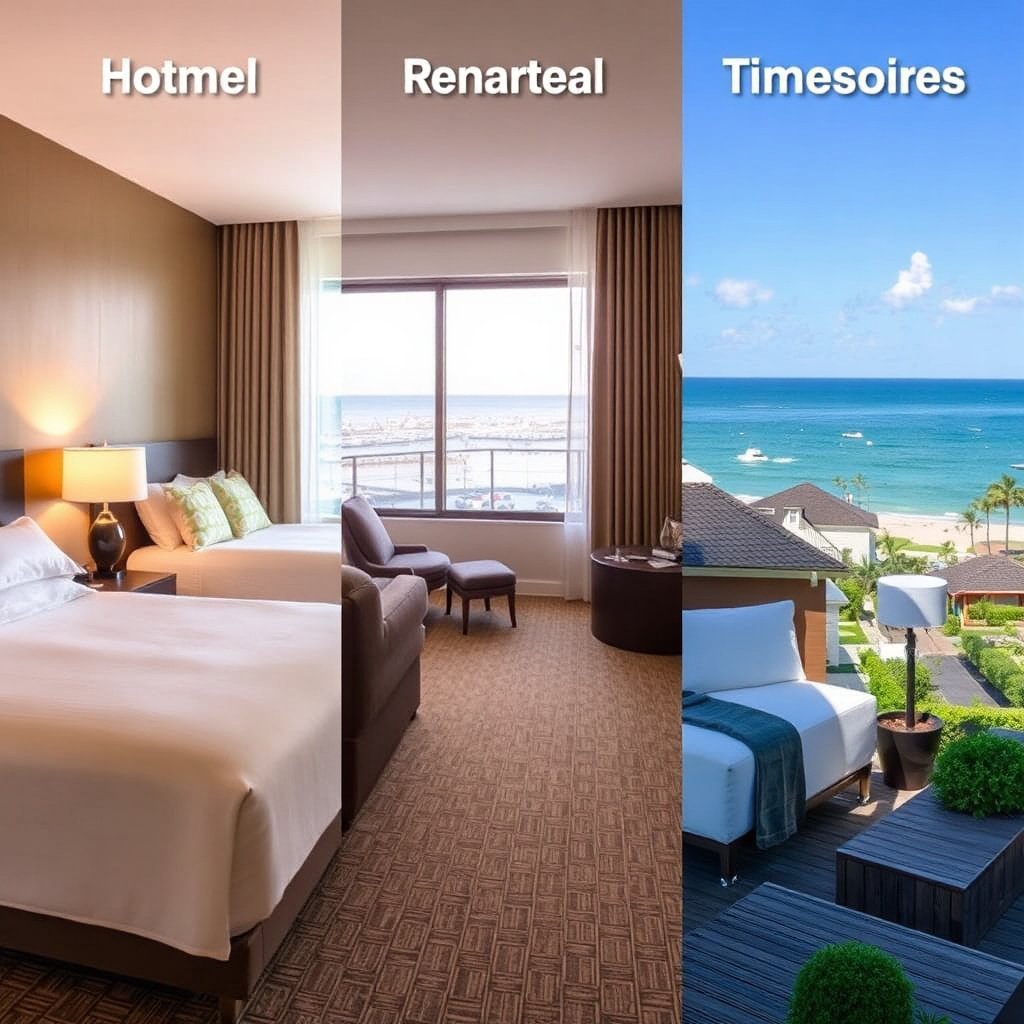
Comparing Timeshares to Hotels
Timeshares often offer more spacious accommodations and home-like amenities than hotel rooms, ideal for families or longer stays. However, they lack nightly rate flexibility, making spontaneous trips complex.
Hotels provide variety and booking ease but can be more expensive for extended vacations or peak seasons.
- Timeshares: fixed week, prepaid
- Hotels: flexible booking, variable prices
For more on this, see our related guide: Is TSO Worth the Money? An Honest Evaluation of Value and Experience.
Vacation Rentals vs. Timeshares
Vacation rentals open access to unique, full homes with no timeshare fees or restrictions but require effort in searching and vetting. Unlike timeshares, rentals do not guarantee availability year after year, and prices fluctuate.
Timeshares are appealing for those valuing consistency and included resort services more than variety.
Who Benefits Most From TSO?

Frequent Vacationers and Loyal Resort Guests
People who regularly vacation at the same location or resort find TSO more financially and emotionally rewarding. It secures their preferred times and offers predictability in lodging costs over years.
This group minimizes wasted maintenance fees and can maximize use of amenities, making timeshare ownership benefits more justified.
- Annual travelers to a favorite destination
- Those prioritizing resort luxury and consistency
Families and Group Travelers
Families benefit from the larger spaces and home comforts timeshares provide, especially with kitchens and separate bedrooms. Groups can share costs and enjoy communal living areas, improving vacation quality.
This setup is often more economical than booking multiple hotel rooms.
Tips for Evaluating and Buying a Timeshare

Questions to Ask Before Buying
Investigate contract terms including usage rights, fees, transferability, and exit options. Clarify the exact schedule availability, any blackout dates, and how the resort manages maintenance fee increases.
Understanding the fine print can prevent future frustrations or financial strains.
- What are the annual fees and how often do they increase?
- Are there restrictions on trading or renting your time?
- What happens if you wish to sell or exit?
For more on this, see our related guide: How to Participate in a TSO Presale: A Complete Guide for Investors.
How to Avoid Common Pitfalls
Avoid high-pressure sales tactics and take time to consider your travel habits versus the commitment. Confirm ownership type and resale options to prevent being locked in.
Research independent reviews and speak with current owners to gauge satisfaction.
Maximizing Your Timeshare Ownership Experience

Using Exchange Programs
Many timeshare owners access exchange programs like RCI or Interval International, allowing weeks to be traded for stays at other properties worldwide. This boosts flexibility and vacation variety beyond your home resort.
Exchanges can require advance planning and sometimes incur fees but greatly expand travel options.
- Access to global resorts
- Flexibility in travel dates and destinations
For a thorough overview of timeshare systems and their history, the Timeshare Ownership Wikipedia article is a valuable resource. Timeshare Ownership Wikipedia article.
Renting Out or Sharing Your Timeshare
Owners can offset maintenance costs by renting unused weeks to others when not vacationing. Online marketplaces facilitate renting but check your contract for permitted renting options.
Sharing ownership with close family or friends can split costs and diversify usage but obligates clear agreements.
Timeshare Ownership vs Other Vacation Options Comparison
Here’s a quick comparison of timeshares against hotels, vacation rentals, and owning a vacation home to help clarify their different benefits and costs.
| Vacation Option | Cost Predictability | Booking Flexibility | Space and Amenities | Resale Potential |
|---|---|---|---|---|
| Timeshare Ownership | High – fixed purchase and fees | Low – fixed weeks or points | High – resort-style villas | Low – typically depreciates |
| Hotels | Variable – nightly rates | High – book anytime | Moderate – smaller rooms | N/A |
| Vacation Rentals | Variable – seasonal pricing | High – many platforms | High – full home access | N/A |
| Vacation Home Ownership | Variable – mortgage + upkeep | High – full control | High – personal property | Moderate to High if market conditions favor |
Frequently Asked Questions
Can I sell my timeshare if I don't want it anymore?
Selling a timeshare can be difficult because the resale market is saturated and buyers are limited. Expect to sell for much less than the original price, and be cautious of scams.
Are timeshare maintenance fees fixed forever?
Maintenance fees typically increase over time to cover rising costs of upkeep and amenities. They are not fixed and can sometimes rise faster than inflation.
Can I exchange my timeshare week for a stay at a different location?
Yes, many timeshares participate in exchange programs allowing owners to trade their weeks for stays at other affiliated resorts, offering more vacation options.
Is timeshare ownership a good investment?
Generally, timeshares are not financially profitable investments as they rarely appreciate in value and often have ongoing costs that reduce overall returns.
Who benefits most from timeshare ownership?
Frequent vacationers loyal to a specific destination or families needing spacious accommodations gain the most value from timeshare ownership benefits.
Key Takeaways
- TSO suits frequent travelers wanting consistent vacations at specific resorts.
- Costs include upfront purchase and annual maintenance fees that can rise over time.
- Resale value is generally low, so plan to use the timeshare long-term.
- Exchange programs and renting can increase flexibility and offset fees.
Conclusion
Deciding if TSO is worth it depends on evaluating your vacation patterns, willingness to commit financially, and preference for vacation style. The timeshare ownership benefits shine for those who vacation regularly in favored resorts and value guaranteed stays. However, the combination of ongoing fees and complicated resale markets requires careful consideration.
For travelers who visit the same location every year, deeded timeshares provide excellent stability and comforts. Points-based plans appeal to those seeking variety without forfeiting the perks of resort ownership. Families enjoying group vacations appreciate the extra space and amenities timeshares offer compared to hotels. If your trips are irregular or you prefer flexibility, renting vacation homes or booking hotels might better fit your lifestyle.
Start by researching contract terms heavily and speaking with current owners before committing. Consider using trial vacations or shorter contracts to test the experience. If purchasing, maintain awareness of fees and market trends and explore exchange and rental options to maximize value. With clear goals and proper due diligence, timeshare ownership can be a rewarding part of your vacation planning.