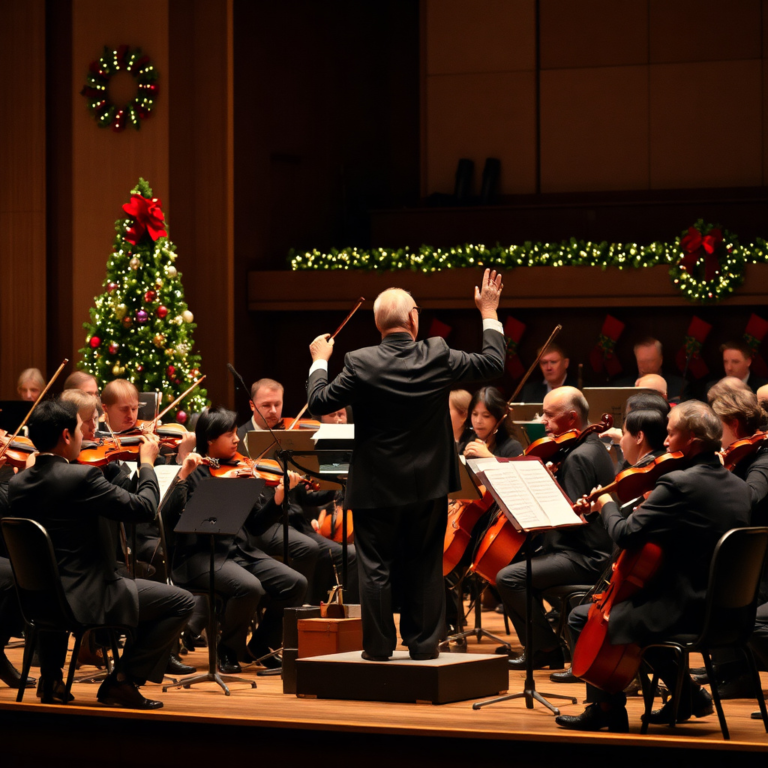
What Is the TSO Documentary and Why It Matters
The TSO documentary is a film that explores the story and work of the Toronto Symphony Orchestra (TSO), capturing their artistic journey and behind-the-scenes moments. It provides a detailed look at the lives of musicians and the orchestral performances that define the TSO’s cultural contribution.
Understanding such a documentary matters because it offers audiences insight into orchestral music’s complexities and the dedication required to bring classical compositions to life. It highlights not just performances but the human stories and teamwork behind them, which deepens appreciation for orchestral music.
This article will cover the content focus of the TSO documentary, its production and storytelling approach, the significance of orchestral documentaries, technical aspects of documentary filmmaking, and the cultural impact of the TSO as portrayed in the film.
The Story Captured in the TSO Documentary
Behind the Scenes with TSO Musicians
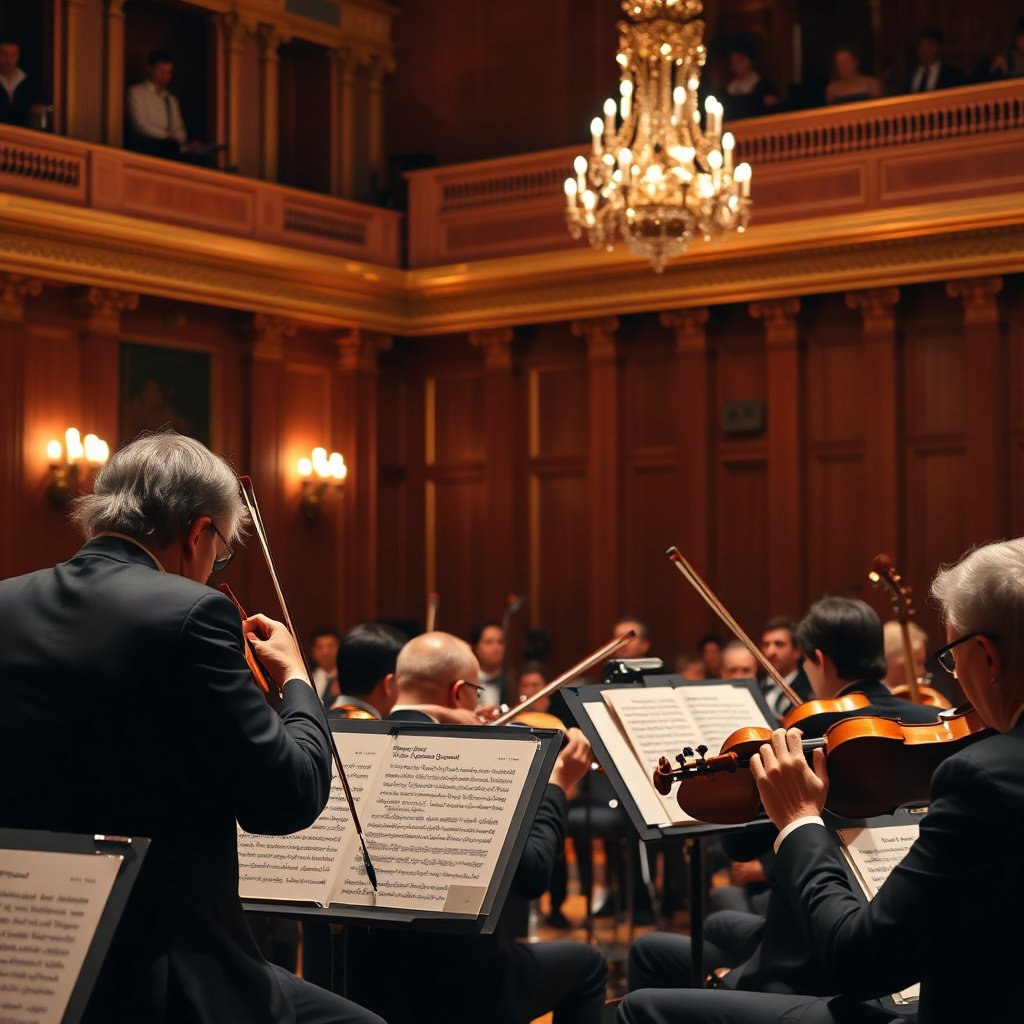
The TSO documentary offers an intimate glimpse into the daily routines, rehearsals, and personal stories of the orchestra’s musicians. It shows how individual talent merges with teamwork to produce refined performances.
This approach brings viewers closer to the dedication and discipline necessary in a prestigious orchestra setting. By humanizing the musicians, the documentary conveys their passion and challenges faced behind the grandeur of concert performances.
Highlighting Memorable Performances
In addition to behind-the-scenes footage, the documentary showcases key performances by the orchestra, including prominent classical pieces and special collaborations. These sequences capture the emotion and technical brilliance of the TSO.
Such segments serve to illustrate the artistic range and excellence the TSO is known for, allowing viewers to experience the energy and precision that define live orchestral concerts.
Documentary Filmmaking Process in TSO’s Production
Technical Challenges of Filming Orchestras
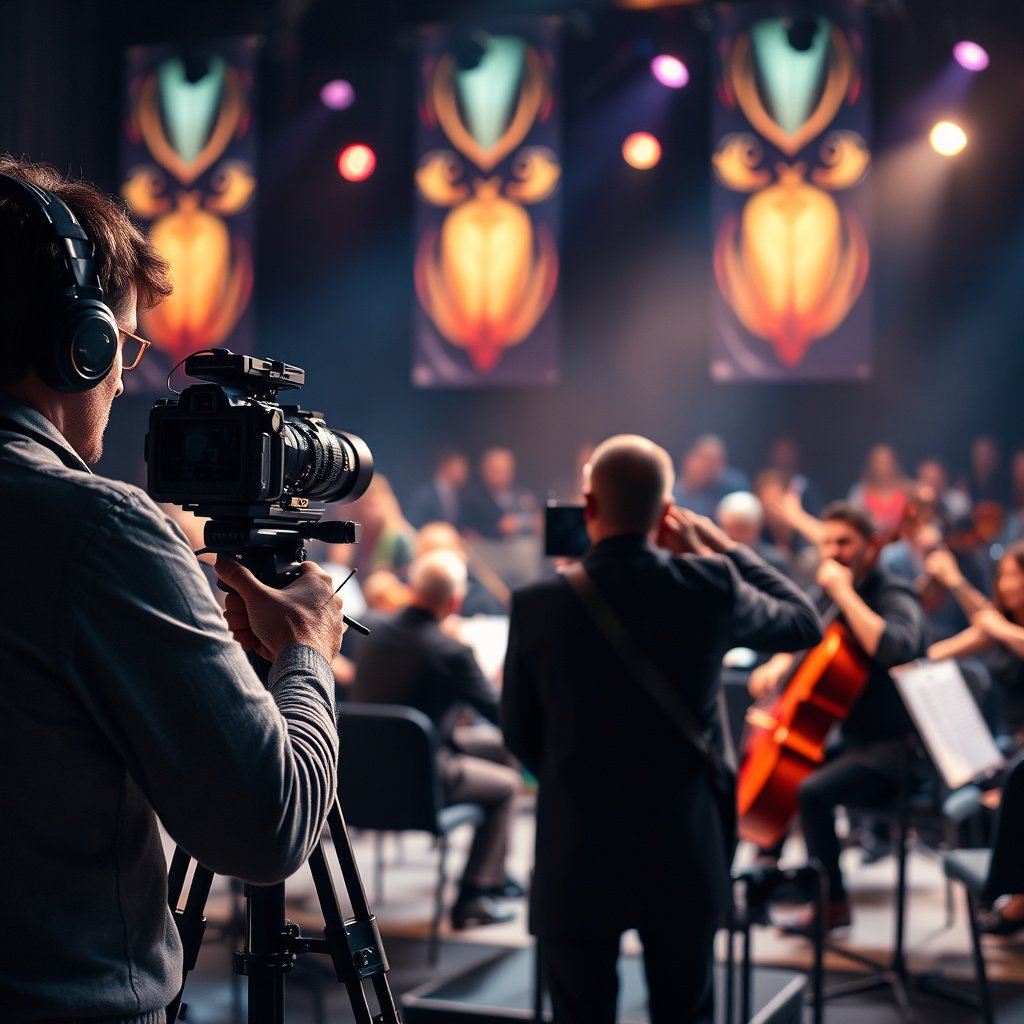
Capturing an orchestra on film requires managing complex lighting, sound, and camera angles to preserve the concert’s atmosphere without distracting from the performance. The TSO documentary employs strategic setups to maintain authenticity.
Sound recording is paramount; high-fidelity audio techniques are used to capture the nuances of every instrument and the balanced orchestral blend, giving viewers a rich auditory experience akin to being in the concert hall.
Storytelling Through Visual and Audio Elements
The filmmakers use a mix of concert footage, rehearsal clips, and interviews to create a narrative that is both informative and engaging. The pacing and editing emphasize emotional beats and musical highlights.
Visual storytelling includes close-ups on musicians’ expressions and instrument details, while audio mixing balances dialogue, ambient sounds, and music to immerse viewers in the TSO’s world.
The Role of Orchestral Documentaries in Culture

Educating Audiences About Classical Music
Orchestral documentaries serve as educational tools, exposing viewers to composers' works, musical forms, and the execution of complex pieces. The TSO documentary helps demystify classical music for wider audiences.
By showcasing rehearsals and explanations, such films can inspire new listeners and provide context that enriches appreciation during live or recorded performances.
For more on this, see our related guide: Trans Siberian Orchestra Documentary: Exploring the Musical Journey and Legacy.
Preserving Artistic Legacy
Films like the TSO documentary archive important moments and achievements in orchestral history, preserving them for future generations. This evergreen record keeps the legacy of orchestras alive beyond live events.
The documentation of orchestras’ evolution and milestones supports cultural heritage, helping institutions engage communities and attract continued support.
Understanding the TSO Through Its Cultural Impact
TSO’s Influence on Local and Global Music Scenes
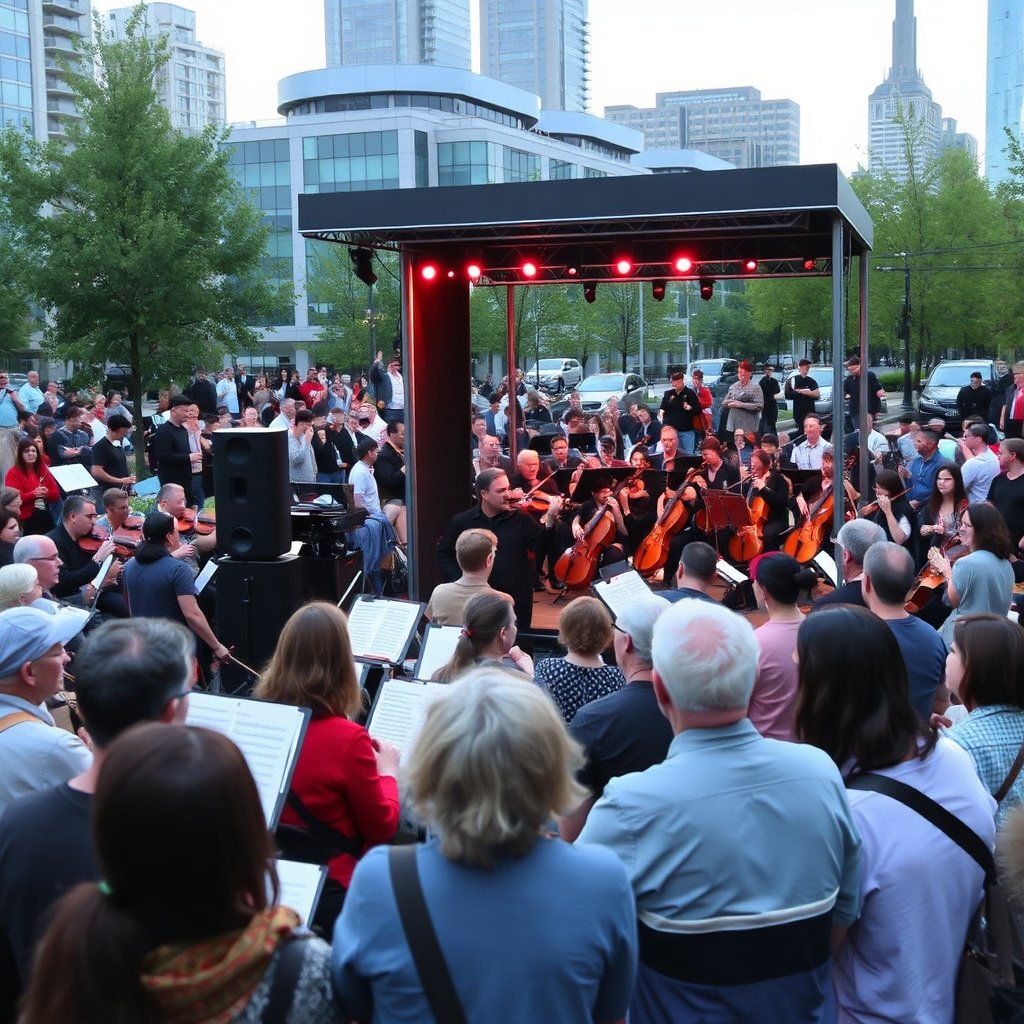
The Toronto Symphony Orchestra has a significant cultural footprint, acting as a leading promoter of classical music both locally and internationally. The documentary highlights this role through its depiction of collaborations and outreach.
This influence helps elevate the city’s artistic status and introduces symphonic music to diverse audiences, fostering a broader cultural appreciation.
Community Engagement and Outreach
The TSO actively engages in community programs, educational workshops, and accessible concerts, which are touched on in the documentary. These efforts reflect the orchestra's commitment to inclusivity and musical education.
These initiatives demonstrate how the orchestra connects with audiences beyond traditional concert halls, making classical music approachable for all ages.
Technical Aspects of the TSO Documentary's Production

Editing and Post-Production Techniques
Post-production plays a key part in shaping the documentary’s flow and mood, combining multiple takes and audio tracks to ensure seamless storytelling. Editors work carefully to balance performances and interviews.
Color grading adjusts the visual tone while sound mastering polishes the final audio mix, maintaining clarity and emotional resonance throughout the film.
For more on this, see our related guide: How to Choose a TV Show for Your Next Binge-Watch.
Use of Cameras and Audio Equipment
Multiple high-definition cameras capture different angles of the orchestra, including overhead shots and intimate close-ups. Specialized microphones record both ambient hall acoustics and individual instruments.
This blend of equipment choices enables the documentary to portray the full grandeur of orchestral performances and the fine details simultaneously.
Comparing TSO Documentary to Other Orchestral Films
Unique Features of the TSO Documentary
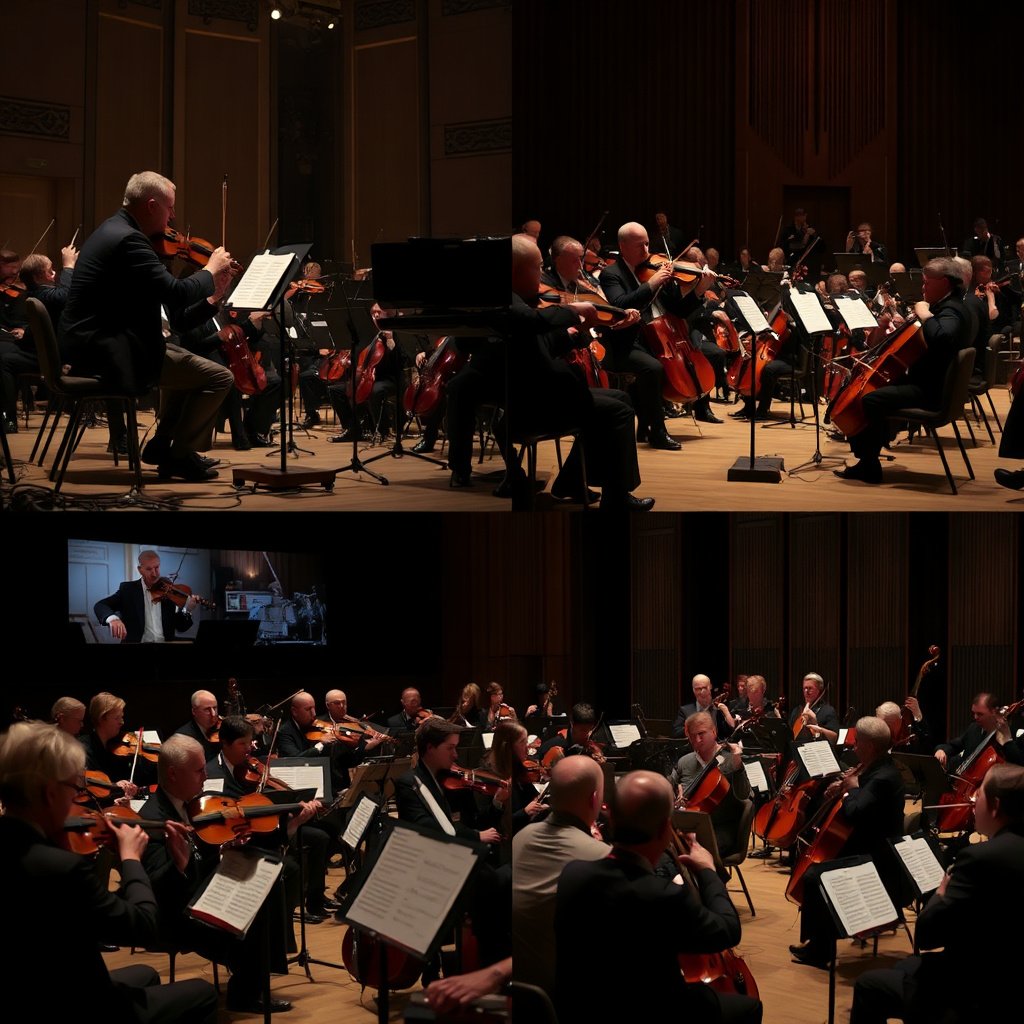
The TSO documentary stands out for its comprehensive balance between personal musician stories and performance excellence. Unlike some films focusing solely on concerts, it reveals the orchestra’s community and educational spirit.
Its visual style is also warm and intimate, creating a connection between viewers and the orchestra that many other documentaries lack.
For an extended overview of the orchestra’s history and significance, see the Toronto Symphony Orchestra on Wikipedia. Toronto Symphony Orchestra on Wikipedia.
Similar Orchestral Documentaries to Explore
Other notable orchestral documentaries include 'The Music of Strangers' which profiles global musicians, and 'Maestro,' focusing on the conductor's role. These films complement the TSO documentary by exploring different facets of classical music.
In comparison, the TSO documentary shines through its focus on a specific orchestra’s seasonal journey and community impact.
Orchestral Documentary Category Comparison
This table compares different types of orchestral documentaries based on focus, style, and audience appeal to help you choose what matches your interests.
| Category | Primary Focus | Visual Style | Audience Appeal |
|---|---|---|---|
| Musician-Centric | Individual stories and rehearsals | Intimate and detailed | Classical music enthusiasts |
| Performance-Focused | Concert footage and music | Dynamic and grand | General audiences |
| Historical | Orchestra history and legacy | Archival and narrative | Scholars and fans |
| Educational | Music education and explanation | Clear and instructive | Students and newcomers |
Frequently Asked Questions
What is the main theme of the TSO documentary?
The main theme explores the artistic process, personal stories, and performances of the Toronto Symphony Orchestra, emphasizing their community impact.
How does the TSO documentary represent the musicians?
It portrays them as dedicated professionals, revealing their individual commitments and collaborative efforts behind the scenes.
What filming techniques are used in the TSO documentary?
It employs multiple camera angles, high-quality audio recording, and careful editing to capture the orchestra’s sound and atmosphere authentically.
Why are orchestral documentaries important?
They educate audiences about classical music, preserve cultural heritage, and deepen appreciation for orchestral performances.
Can I watch the TSO documentary online?
Availability varies by region and platform; official TSO channels or streaming services may offer access depending on licensing.
Key Takeaways
- The TSO documentary reveals both onstage excellence and behind-the-scenes dedication.
- Filmmaking blends technical skill and storytelling to capture orchestral nuances.
- Orchestral documentaries broaden public understanding of classical music culture.
- The TSO documentary highlights community outreach alongside musical artistry.
Conclusion
Choosing to watch the TSO documentary involves appreciating both music performances and the human stories that fuel an orchestra’s success. The film carefully balances these elements, providing viewers with a thoughtful narrative and rich insights into orchestral life. This approach aids understanding of the labor and passion required to bring classical music to audiences.
If you seek a documentary that combines artistic excellence with educational depth, the TSO documentary is a compelling choice. Those interested in musician-centered storytelling or the impact of orchestras on their communities will particularly enjoy it. For comparison, viewers might also explore related films focusing on conductors or global musicians to broaden their perspective on orchestral culture.
For anyone curious about how classical music is performed and the people who perform it, starting with the TSO documentary offers a practical and engaging introduction. Watching it can inspire deeper interest in orchestral music and encourage attendance at live concerts, fostering a personal connection with this rich cultural expression.