Is TSO the Same Every Year? Understanding Annual Variations
TSO, or Transmission System Operator responsibilities and standards, do not remain identical every year. Changes occur annually due to regulatory updates, technology improvements, and shifts in energy demand and supply dynamics.
This matters because industries, stakeholders, and consumers rely on TSO operations for grid reliability and electricity market function. Variations in TSO protocols or capacity influence how electricity is transmitted and priced.
This article discusses what factors cause TSO changes year to year, how these variations impact stakeholders, and what to watch for in annual TSO updates.
What Does TSO Stand For and Why It Matters

Definition and Core Responsibilities of a TSO
A Transmission System Operator (TSO) is an entity responsible for reliable electricity transmission across high-voltage networks. They coordinate grid operation to balance supply and demand in real time, ensuring safe and stable power delivery.
TSOs manage grid infrastructure, oversee maintenance, handle emergencies, and connect producers with distributors. Their role is critical to preventing blackouts and enabling energy market efficiency.
Impact of a TSO on Energy Markets and Consumers
TSOs directly affect electricity quality and availability, influencing market prices and consumer costs. By managing grid congestion and planning upgrades, they help accommodate renewable energy and demand growth.
Their decisions determine transmission tariffs and sometimes capacity availability for various grid users, making them key players in national energy security and economic competitiveness.
Why TSO Rules and Conditions Change Annually

Regulatory and Policy Updates Affecting TSO Operations
Governments and regulatory bodies adjust rules for TSOs each year to meet new climate targets, integrate innovations, or improve grid resilience. These policies often shift operational standards or market rules TSOs must follow.
For example, new emissions limits or renewable integration mandates can lead TSOs to adopt different planning scenarios or dispatch priorities annually.
Technological Advances Leading to TSO Changes
Emerging technologies like smart grids, energy storage, and advanced forecasting tools require TSOs to update procedures and software regularly. Rolling out these innovations can change how the grid is operated.
As grids become more digitized, TSOs adjust cybersecurity measures and real-time communication strategies yearly to maintain reliability.
TSO Annual Load and Capacity Variations
Fluctuating Electricity Demand and Supply Patterns
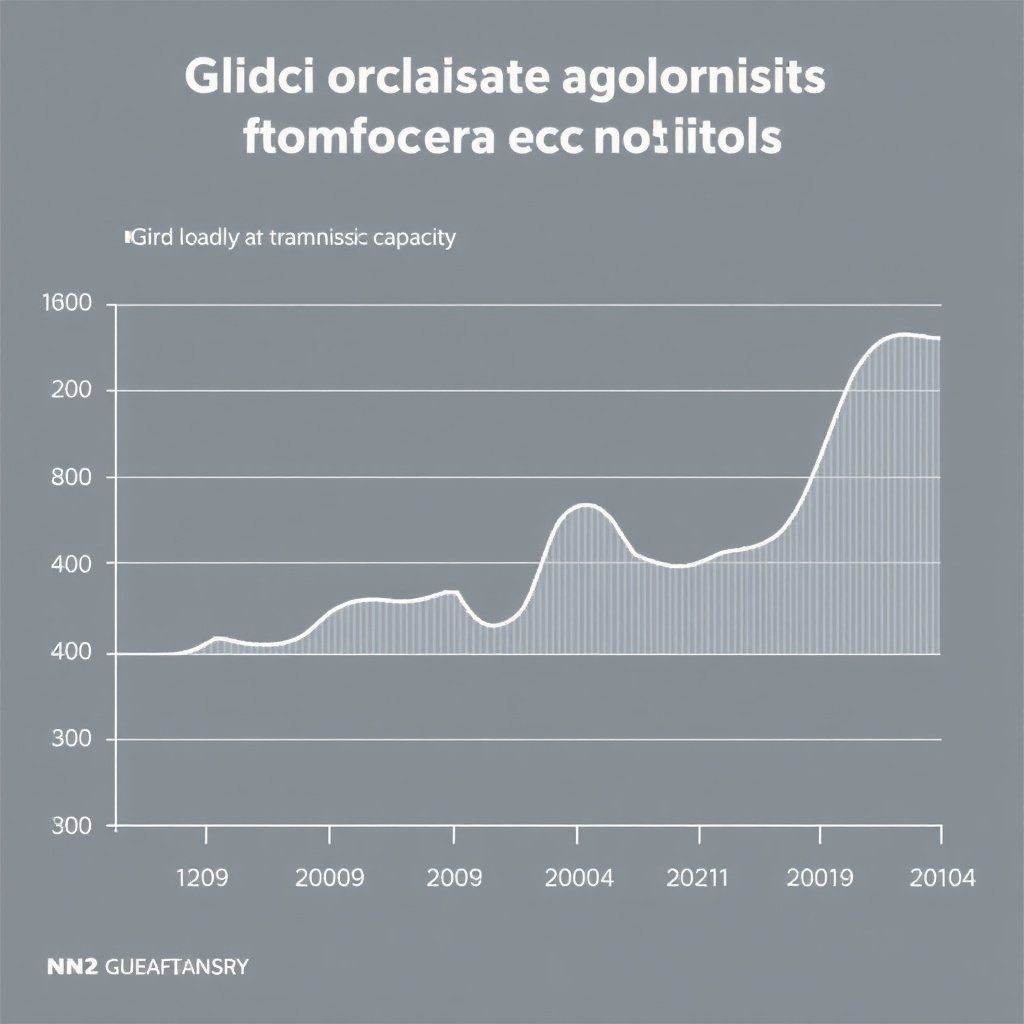
Each year, demand patterns vary due to economic activity, weather conditions, and consumption trends. TSOs must recalibrate forecasts and transmission capacity accordingly to keep the grid balanced.
Seasonal peaks, new large consumers, or renewable generation shifts drive annual adjustments to transmission planning.
Infrastructure Maintenance and Expansion Plans
TSOs schedule maintenance and upgrades every year, temporarily affecting available transmission corridors. These activities necessitate revised grid operation schemes and contingency measures annually.
Long-term expansion projects are also updated yearly to reflect changing load forecasts and regulatory priorities.
How TSO Annual Changes Affect Stakeholders

Effects on Electricity Producers and Traders
Annual modifications in TSO rules may impact producers’ access to the grid, transmission costs, and market opportunities. Traders adjust strategies based on updated grid constraints or capacity offerings.
Producers also plan maintenance and production forecasts around expected TSO operational changes.
Implications for Consumers and Policy Makers
Consumers indirectly experience TSO changes through electricity prices and reliability. Policy makers use insights from yearly TSO reports to revise energy policies.
Understanding these shifts helps stakeholders anticipate system risks and investment needs.
Common Misconceptions about TSO Consistency
TSO Does Not Follow a Static Model Each Year
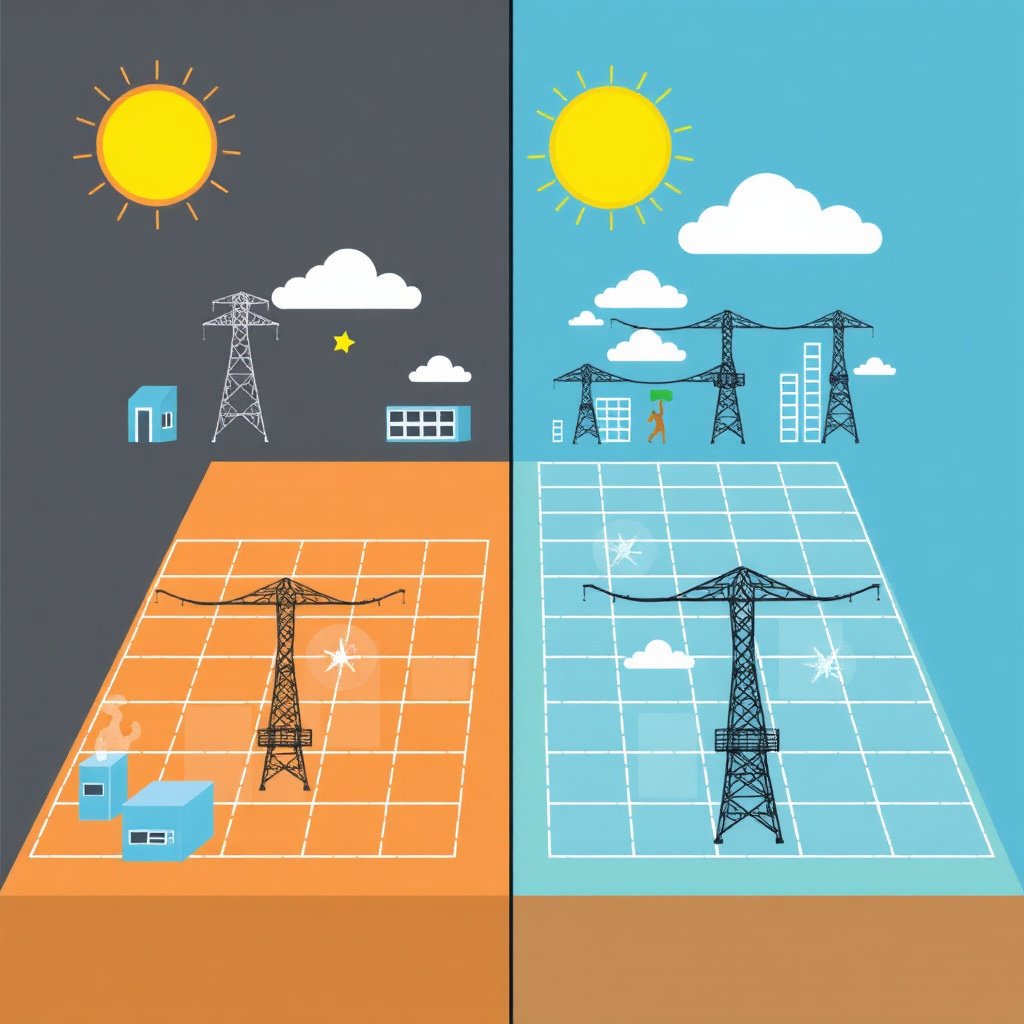
Many assume TSO operations remain stable year after year, but in reality, adaptive coordination and regulation updates frequently alter procedures. Static models could risk grid reliability under dynamic conditions.
TSOs actively evolve operations reflecting latest data, technology, and market behavior.
Annual Reviews Prevent Grid Systemic Failures
Annual revisions to TSO protocols serve as safety checks, reducing cumulative errors or outdated tactics. These reviews allow timely responses to changing energy landscapes.
Disregarding that TSO changes annually might lead to misinformed planning by grid users or investors.
How to Stay Informed About TSO Annual Updates
Accessing Official TSO Reports and Publications
Most TSOs publish yearly reports detailing changes in grid management, capacity, and regulatory impacts. These documents are critical for stakeholders to track annual updates.
Public websites and regulatory bodies' portals are good sources for reliable information.
For a detailed overview of what a TSO does, you can check the transmission system operator article on Wikipedia. Transmission system operator from Wikipedia.
Following Industry News and Energy Forums
Specialized energy news platforms, industry conferences, and forums often discuss TSO annual changes in depth. Participation provides early awareness of upcoming operational impacts.
Networking with experts also sharpens understanding of TSO evolution.
TSO Types and Their Annual Update Approaches
This table compares common types of TSOs and how they handle annual changes in regulation, technology, and operational strategies.
| TSO Type | Regulatory Update Frequency | Technology Adoption Pace | Operational Flexibility |
|---|---|---|---|
| Independent National TSOs | Annually | Moderate | High |
| Regional Coordinators | Biannual | High | Moderate |
| Vertically Integrated Utilities | Variable | Low | Low |
| Private Transmission Operators | Annually | High | High |
Frequently Asked Questions
Does TSO remain the same every year?
No, TSO operations and rules typically change each year due to regulatory shifts, technological improvements, and changing grid demands.
What influences annual changes in TSO?
Regulatory policies, technology upgrades, load variations, and infrastructure updates all influence annual TSO modifications.
How do TSO changes affect electricity users?
TSO changes can impact electricity prices, grid stability, and market access, which ultimately affect consumers and industrial users.
Where can I find updates on TSO annual changes?
Official TSO reports, energy regulatory websites, and industry news sources provide detailed information on yearly updates.
Are TSO updates predictable each year?
While some regulatory or operational reviews occur regularly, exact TSO changes vary based on evolving energy conditions and policy directions.
Key Takeaways
- TSO operations typically change yearly reflecting regulations and grid dynamics.
- Technological innovations drive many annual adjustments in TSO procedures.
- Stakeholders must monitor TSO updates to adapt planning and operations.
- Accurate knowledge of TSO changes supports reliable and cost-effective energy use.
Conclusion
Understanding that TSO is not the same every year is fundamental for anyone involved in energy production, distribution, or policy. Each year, various external and internal factors shape how TSOs operate, from evolving government regulations to technological progress and changing demand patterns. Approaching decisions with insight into these annual modifications enables more effective risk management and planning for the future.
Considering the variability inherent to TSO annual updates, users should pay close attention to specific categories such as regulatory shifts that impact compliance requirements, and technology adoption which often signals changes in operational practice. For instance, independent national TSOs typically update annually with high operational flexibility, while vertically integrated utilities may adopt changes more slowly. Knowing these nuances helps determine the best ways to navigate the energy landscape.
To remain well-aligned with TSO developments, it is advisable to consult official yearly reports and stay engaged with energy forums and news sources that cover TSO adjustments. By actively tracking these updates, stakeholders gain timely awareness and practical insight to adapt strategies accordingly, ensuring their energy-related activities remain efficient and compliant as the grid environment evolves.