Who Are the Members of Trans-Siberian Orchestra? An In-Depth Look
Trans-Siberian Orchestra (TSO) is known for its grandiose rock operas blending classical, symphonic rock, and heavy metal, but its members form an extensive ensemble rather than a fixed band. The group comprises multiple musicians rotating through roles such as guitarists, vocalists, keyboardists, and orchestral instrumentalists, unified by creators Paul O’Neill and Robert Kinkel.
This unique approach means TSO’s lineup can vary by tour and album, featuring accomplished session players alongside core performers who bring their distinct talents to TSO’s intricate and theatrical productions. Understanding who these members are gives fans insight into the collaborative nature that defines the group's evolving sound.
This article breaks down the core and touring members of Trans-Siberian Orchestra, highlights their instrumental roles, and explains how the band’s expansive roster supports their dynamic live shows and studio recordings.
Founders and Core Creators of Trans-Siberian Orchestra
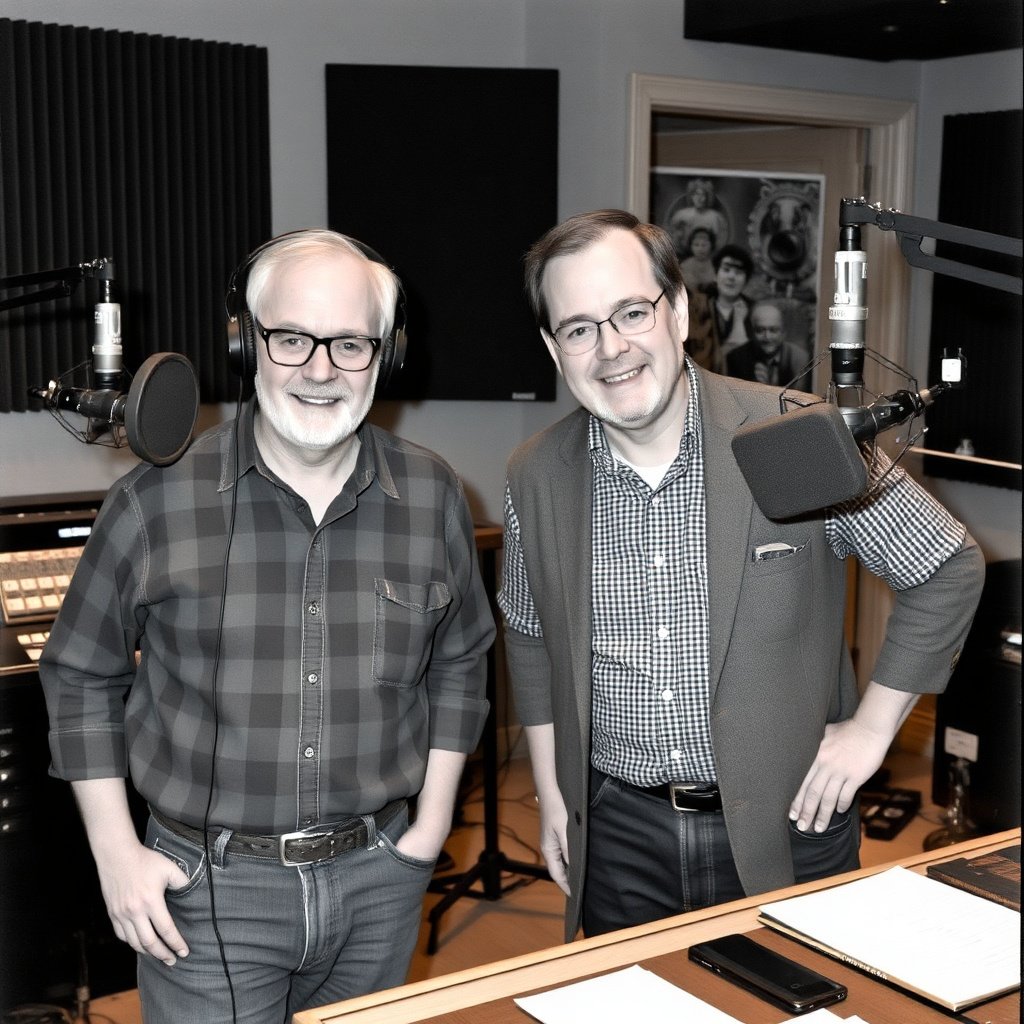
Paul O’Neill: The Visionary Composer and Producer
Paul O’Neill was the founding force behind Trans-Siberian Orchestra, having envisioned a fusion of rock and classical music with a theatrical flair. As the main composer, lyricist, and producer, he directed both the music and the elaborate stage presentations until his passing in 2017.
His influence is evident in the deeply narrative and symphonic compositions that define TSO’s albums. O’Neill’s background in rock production and his passion for storytelling helped establish the band’s unique identity.
Robert Kinkel: The Classically Trained Co-Founder and Keyboardist
Co-founder Robert Kinkel brought classical training and keyboard expertise to the project. He often handled arrangements, orchestral programming, and studio keyboard performances, bridging rock and classical elements seamlessly.
Kinkel remains a consistent presence in TSO’s recordings and live performances, contributing to the band’s signature symphonic sound and rich texture.
Core Touring Guitarists and Vocalists in Trans-Siberian Orchestra
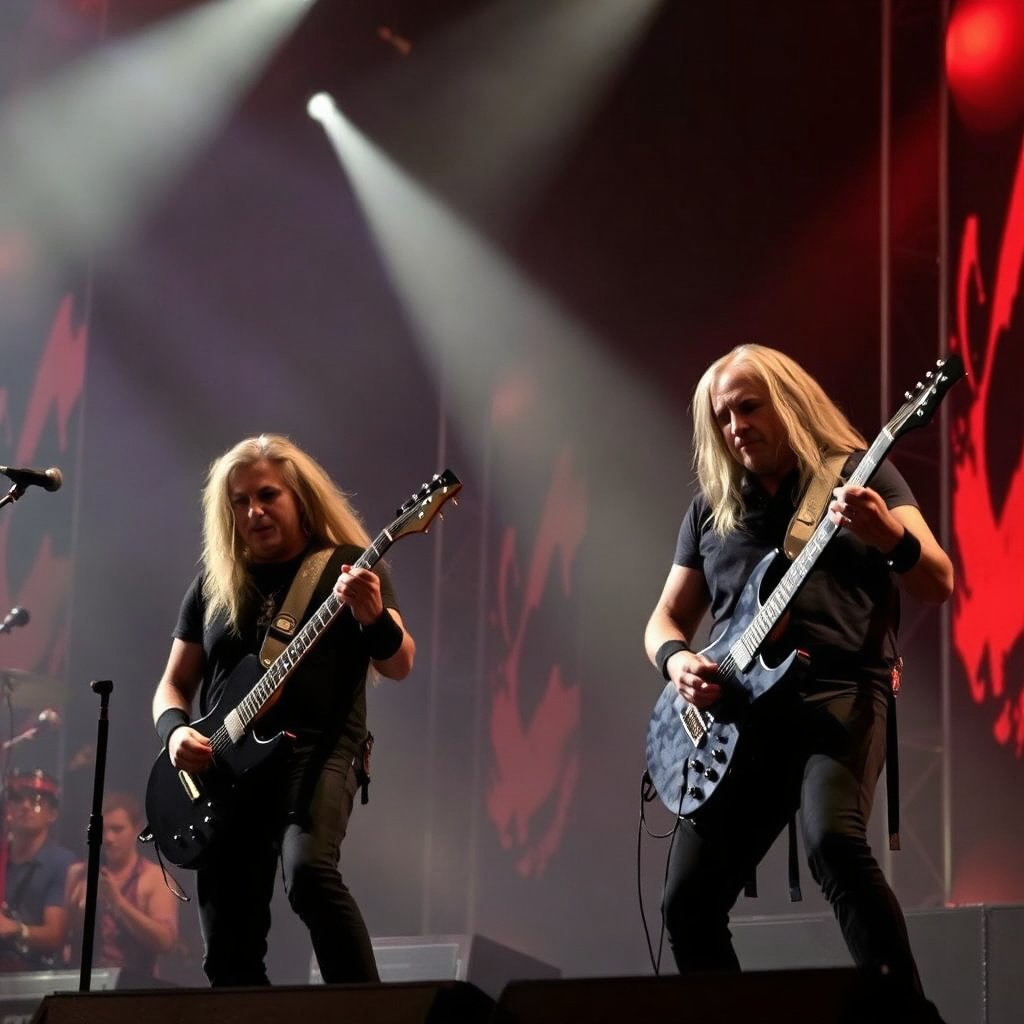
Guitar Virtuosos Shaping TSO’s Rock Edge
Guitarists like Al Pitrelli and Chris Caffery contribute a powerful, melodic rock foundation. Pitrelli, known for his technical proficiency and previous work with Megadeth, often alternates lead and rhythm duties, while Caffery adds layered solos and harmonies.
The guitarists’ role involves translating the complex compositions into electrifying live performances, providing the raw energy that complements orchestral elements.
- Al Pitrelli – Lead and rhythm guitar
- Chris Caffery – Lead and rhythm guitar
For more on this, see our related guide: How to Secure a Trans-Siberian Orchestra Meet and Greet Experience.
Vocalists Advancing the Narrative Storytelling
Trans-Siberian Orchestra features multiple vocalists who handle lead and background parts across their diverse vocal arrangements. Performers like Jeff Scott Soto and Tim Hockenberry bring versatility, from powerful rock vocals to operatic tones, helping convey the dramatics of TSO’s concept albums.
Vocals often switch between male and female voices, creating a rich character-driven experience that enhances the band’s storytelling ambitions.
- Jeff Scott Soto – Lead and backing vocals
- Tim Hockenberry – Lead and backing vocals
Key Keyboardists, Drummers, and Orchestral Ensemble Members
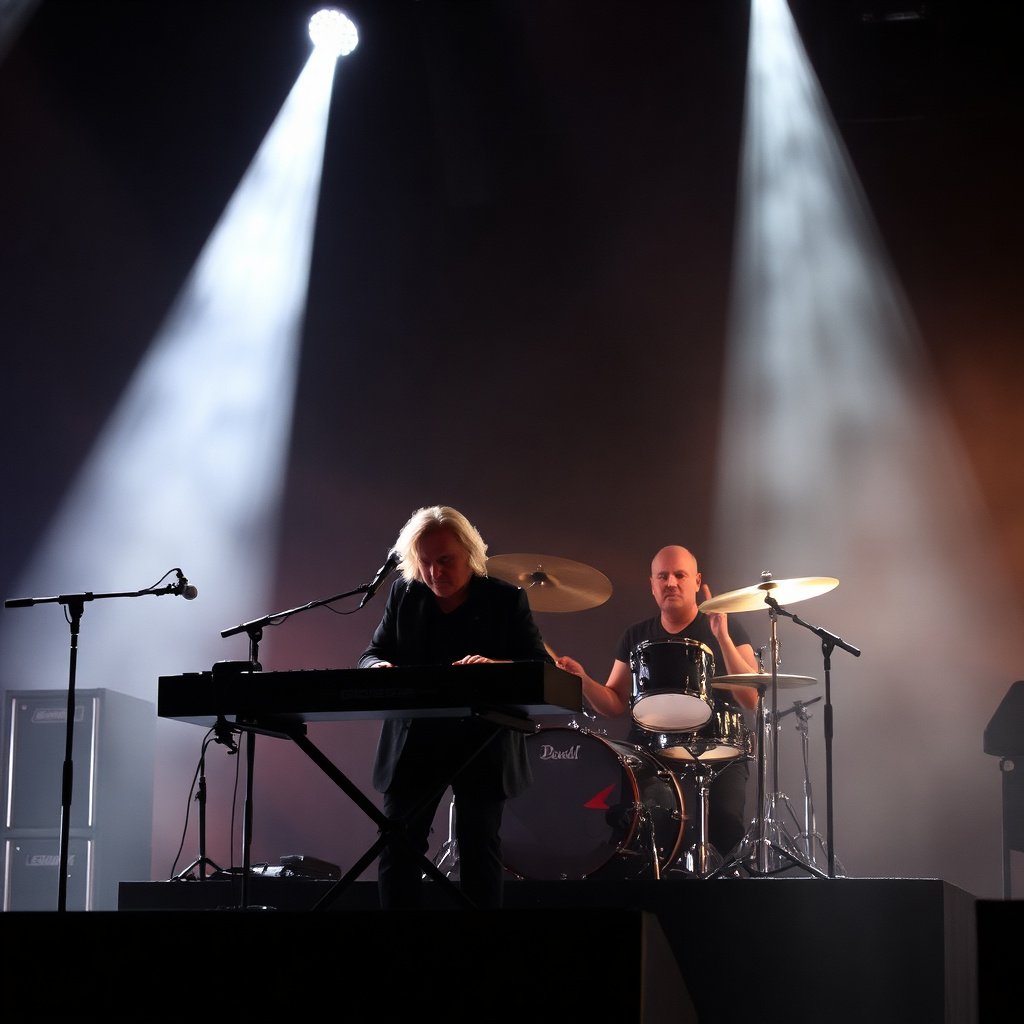
Keyboardists and Programmers Behind the Symphonic Sound
Keyboard players such as Derek Wieland maintain the elaborate synth and piano sections that are fundamental to TSO’s blend of rock and classical music. Wieland’s live work highlights intricate piano solos and atmospheric pads that fill the sonic landscape.
Besides performing, keyboardists manage the digital orchestral programming and sequencing that permit accurate live renditions of TSO’s studio recordings.
- Derek Wieland – Keyboards, piano, orchestral programming
Drummers and Orchestral Specialists Elevating the Live Experience
Drummers like Roddy Chiong provide dynamic rhythms that drive TSO’s rock intensity and sync with the orchestral cues. Their precise timing is essential for the tight integration of complex musical parts on stage.
Alongside the rhythm section, TSO often employs live strings, brass, or choir members during tours, enhancing the symphonic-rock fusion in its performances.
- Roddy Chiong – Drums and percussion
- Additional touring string and brass players
The Role of Touring Cast Members and Production Crew
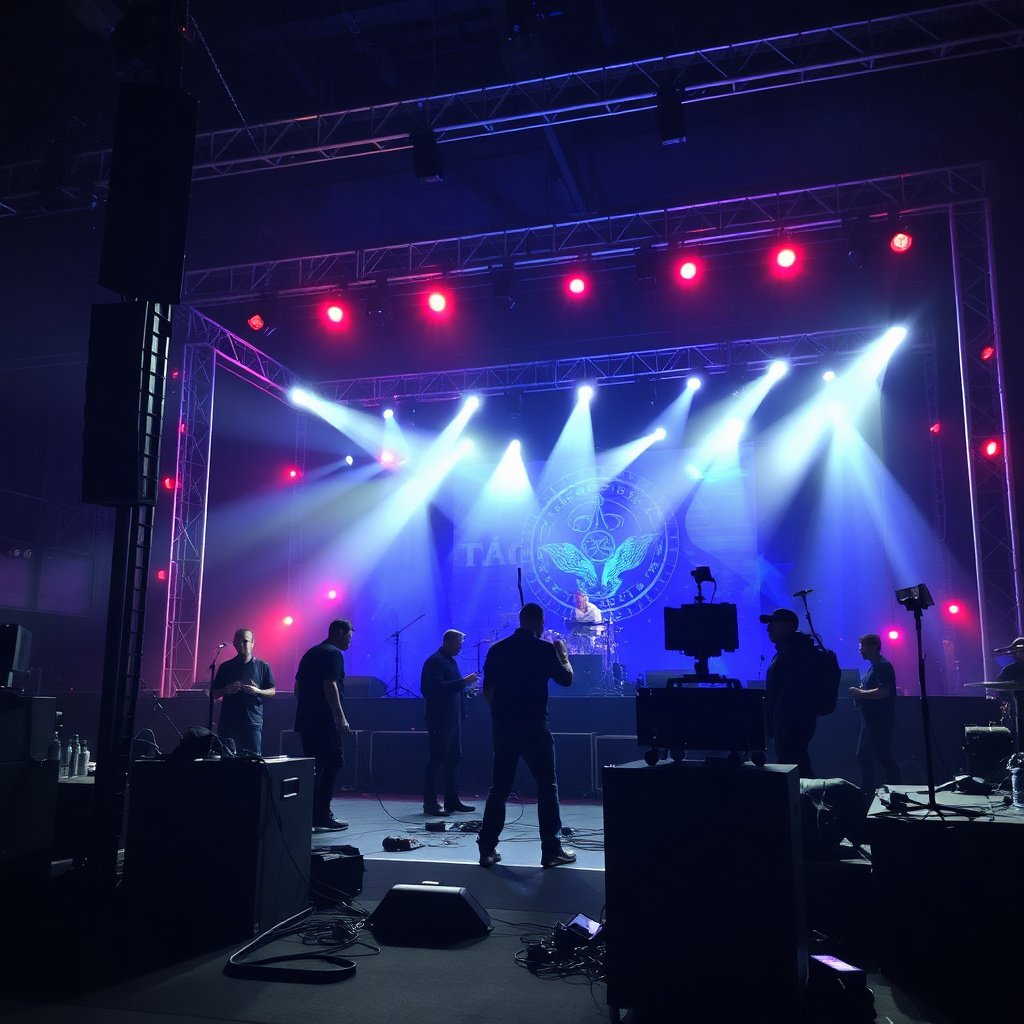
Supporting Musicians and Backup Vocalists
TSO’s touring ensemble frequently includes supporting musicians who add layers with instruments such as violin, cello, and additional vocals. These members ensure the richness and fullness of the live sound that mirrors album complexity.
Backup vocalists enhance harmonies and help maintain vocal consistency during intense performance schedules, reinforcing the lead vocalists and filling out the choir effects.
For more on this, see our related guide: TSO 2025 Tour: What to Expect from the Trans-Siberian Orchestra’s Upcoming Shows.
Technical Crew and Stage Production
A sophisticated technical crew handles sound mixing, lighting, pyrotechnics, and stage management, elements crucial to TSO’s theatrical shows. These professionals work closely with the musicians to synchronize visual effects with musical cues, creating a memorable concert experience.
This collaboration between musicians and crew maintains the seamless presentation that fans expect from every Trans-Siberian Orchestra tour.
How the Trans-Siberian Orchestra Band Lineup Evolves
Rotating Lineup to Meet Tour Demands
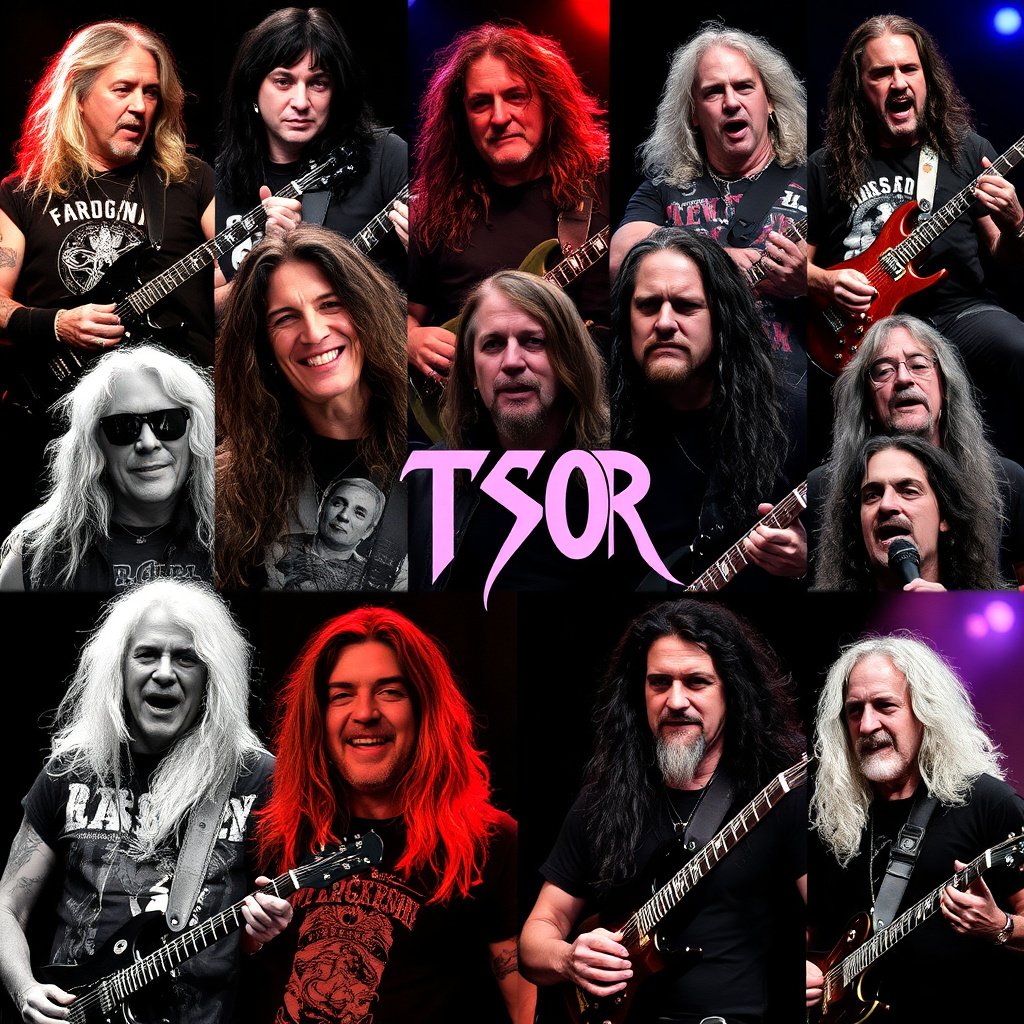
Due to TSO’s size and touring schedule, the band employs a rotating lineup of musicians to handle overlapping tours in different regions. This flexible structure lets TSO perform simultaneous shows with distinct casts while maintaining high performance standards.
Musicians often rotate in and out depending on availability and regional expertise, contributing to a diverse blend of talents and styles within the overarching TSO sound.
For a detailed history and full list of members, the Trans-Siberian Orchestra Wikipedia page is a trustworthy resource. Trans-Siberian Orchestra Wikipedia page.
Recording vs. Touring Member Differences
The members featured on TSO’s studio albums don’t always match those on tour. Studio sessions tend to involve specialized performers or the core founders, whereas tours prioritize musicians experienced in large-scale live productions.
This distinction allows studio compositions to become highly polished while tours emphasize visual spectacle and crowd engagement with powerful live musicianship.
Trans-Siberian Orchestra Member Roles Comparison
Review this table comparing the primary categories of TSO members and their key contributions to the band's music and performances.
| Category | Primary Role | Notable Members | Contribution |
|---|---|---|---|
| Founders | Composers, Producers | Paul O’Neill, Robert Kinkel | Creative vision, songwriting, and arrangements |
| Core Guitarists | Lead and rhythm guitar | Al Pitrelli, Chris Caffery | Rock riffs and solos, musical intensity |
| Vocalists | Lead and backing vocals | Jeff Scott Soto, Tim Hockenberry | Narrative storytelling through voice |
| Keyboardists | Piano, synth, orchestral programming | Derek Wieland, Robert Kinkel | Symphonic textures and melodic layers |
| Drummers and Percussionists | Rhythm section | Roddy Chiong | Driving beats and timing foundation |
| Touring Ensemble | Strings, brass, backup vocals | Various session musicians | Live orchestral and vocal enhancement |
Frequently Asked Questions
Does Trans-Siberian Orchestra have permanent members?
TSO operates with a flexible lineup rather than permanent band members. While founders and some core musicians remain constant, many performers rotate depending on tour and recording needs.
Who founded Trans-Siberian Orchestra?
Trans-Siberian Orchestra was founded by Paul O’Neill and Robert Kinkel, who created the band’s signature blend of rock and classical music.
Are the same musicians on TSO albums and tours?
Not always. Studio recordings often feature a select group of performers, whereas tours include a broader rotating ensemble to handle live production demands.
How many musicians typically perform in a TSO tour band?
A Trans-Siberian Orchestra touring band usually includes 15 to 20 musicians covering guitars, keyboards, vocals, drums, strings, and occasionally brass instruments.
Who handles the orchestral parts in TSO’s live shows?
Orchestral parts are performed by touring string and brass musicians integrated into the band alongside keyboard-generated orchestral sounds.
Key Takeaways
- TSO’s core is built around founders Paul O’Neill and Robert Kinkel’s compositions and productions.
- The band features rotating guitarists and vocalists specializing in symphonic rock performance.
- Keyboardists and orchestral instrumentalists provide the layered symphonic textures.
- Touring ensembles vary to support complex live productions and simultaneous shows.
Conclusion
Understanding Trans-Siberian Orchestra’s members requires recognizing its identity as a collaborative project with a fluid lineup centered around its founders. The group functions more like a musical collective than a conventional band, allowing for rich orchestral fusion with rock elements. This flexible approach supports the band’s ambitious storytelling through music and elaborate stagecraft, creating an immersive experience for audiences worldwide.
Different scenarios call for different configurations—recordings often showcase the original creators and studio musicians, while tours demand versatile performers capable of replicating complex arrangements live. For example, guitarists like Al Pitrelli bring energy and precision to live shows, while keyboardists like Robert Kinkel ensure orchestral authenticity. This variation is key in sustaining TSO’s extensive touring schedule and sound quality, confirming the importance of both core members and rotating musicians.
If you’re interested in the Trans-Siberian Orchestra band lineup, exploring recent tour lineups and album credits provides insight into this dynamic group’s makeup. Attending live performances highlights the full scope of talent involved. For more detailed history and member information, official TSO resources and interviews are valuable next steps to appreciating this unique symphonic rock ensemble.



One Comment