Exploring the Role of a Trans-Siberian Orchestra Violinist: Skills and Experiences
A Trans-Siberian Orchestra violinist is a highly skilled musician who performs complex arrangements blending classical violin techniques with rock and holiday music elements. This role demands technical proficiency, stage presence, and the ability to adapt to the unique fusion style that defines the band's signature sound.
The Trans-Siberian Orchestra (TSO) combines genres to create theatrical rock operas, requiring violinists to execute demanding passages alongside electric guitars, keyboards, and percussion. This fusion pushes violinists beyond traditional classical boundaries, making their role pivotal to live performances and recordings.
This article will cover what is expected from a Trans-Siberian Orchestra violinist, including the technical skills needed, the performance demands, and insights into the experience of touring with this legendary ensemble.
Technical Proficiency Needed for a Trans-Siberian Orchestra Violinist
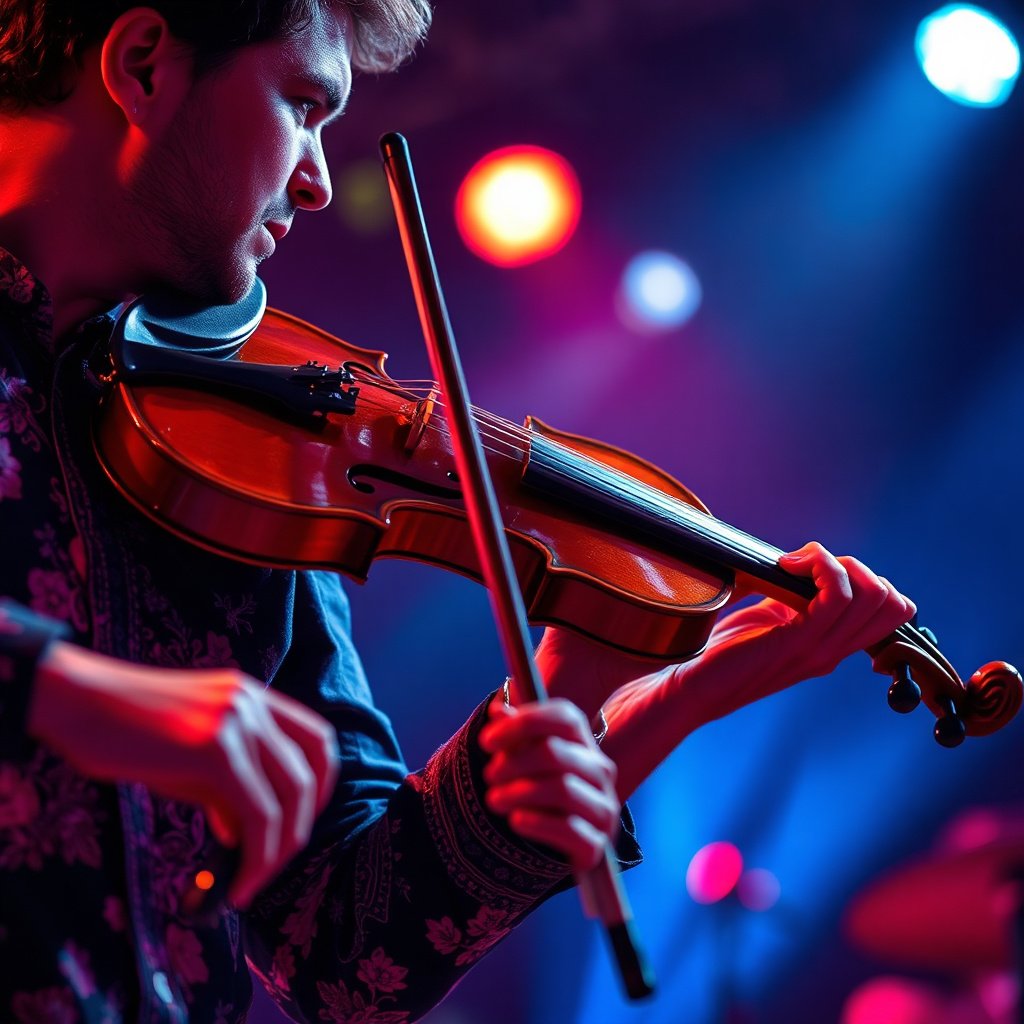
Mastery of Classical and Electric Violin Techniques
Violinists in the Trans-Siberian Orchestra must be adept at traditional classical violin skills, including advanced bowing techniques, vibrato, and intonation control. They also need to seamlessly transition to electric violin effects, incorporating distortion, reverb, and looping devices to match the band's rock sound.
The music often demands fast-paced runs, complex rhythms, and harmonics that blend with both orchestral and amplified instruments, requiring consistent practice and versatility.
- Proficient in scales and arpeggios
- Experience with electric violin setup
- Ability to read challenging scores
- Familiarity with effects pedals
Interpreting Complex Arrangements
TSO violinists must adeptly navigate arrangements that merge classical motifs with modern rock influences. This means interpreting dynamic score markings and adapting to improvised or extended solos during live shows.
Understanding the overall narrative of each piece enhances the emotional delivery, ensuring the performance resonates with both classical and rock audiences.
Live Performance and Touring Experience

Stage Presence and Showmanship
Playing with the Trans-Siberian Orchestra involves more than technical skill; violinists must engage massive audiences with compelling stage presence. Coordinated choreography, timed lighting, and interacting with fellow band members create a theatrical experience.
The ability to project energy and connect with crowds enhances live shows, making violin solos memorable highlights amidst dramatic set pieces.
- Movement synchronized with lighting
- Expressive body language
- Coordination with visual effects
Touring Demands and Lifestyle
TSO violinists spend extensive periods on the road, performing multiple shows in diverse venues. This demanding schedule requires physical stamina and adaptability to varying acoustics and stage setups.
Musicians often need to maintain rigorous practice routines while managing travel fatigue, making resilience and professional discipline key traits.
- Frequent travel across cities
- Adapting to different venues
- Balancing rehearsals with performances
The Unique Sound and Style of a Trans-Siberian Orchestra Violinist

Blending Genres for a Signature Sound
TSO violinists blend classical melodies with rock and holiday music elements, creating a distinct sound that involves both delicate phrasing and powerful riffs.
This hybrid style demands musical flexibility and creative input, often involving improvisation and adjustments to fit each live rendition.
For more on this, see our related guide: Top Trans-Siberian Orchestra Songs Every Fan Should Know.
Equipment and Sound Setup
Violinists typically use electric violins paired with effects processors to achieve the needed tonal variety. Amplification setups often include distortion, delay, and wah-wah pedals to match the band's intensity.
Monitoring systems are crucial so that violinists can hear themselves clearly amid the full band.
- High-quality electric violins
- Effects pedal boards
- In-ear monitors
Paths to Becoming a Trans-Siberian Orchestra Violinist

Formal Music Education and Training
Most TSO violinists have formal classical training from conservatories or music schools, ensuring solid technique and music theory knowledge.
Supplementing education with experience in rock or contemporary music styles is advantageous for adapting to TSO's hybrid music.
- Bachelor’s or Master’s degree in Music
- Orchestral and chamber music experience
- Workshops in electric violin and modern genres
Audition Process and Networking
Securing a spot in TSO usually involves rigorous auditions focusing on technical skill, stylistic adaptability, and stage presence.
Networking with musicians and agents connected to TSO helps aspiring violinists gain visibility and invitations to audition.
Challenges Faced by a Trans-Siberian Orchestra Violinist

Physical and Mental Strain
The intensive touring schedule, repetitive practice, and high-energy performances can lead to fatigue, requiring violinists to maintain physical health meticulously.
Mental toughness is equally important to manage stress and maintain focus throughout long seasons.
- Risk of repetitive strain injuries
- Emotional resilience
- Effective stress management techniques
Balancing Tradition with Innovation
Violinists must respect the classical roots of their craft while embracing the modern, often electric, style of TSO music.
This balance challenges musicians to broaden their artistic range without losing technical precision.
Collaborating with Trans-Siberian Orchestra Musicians
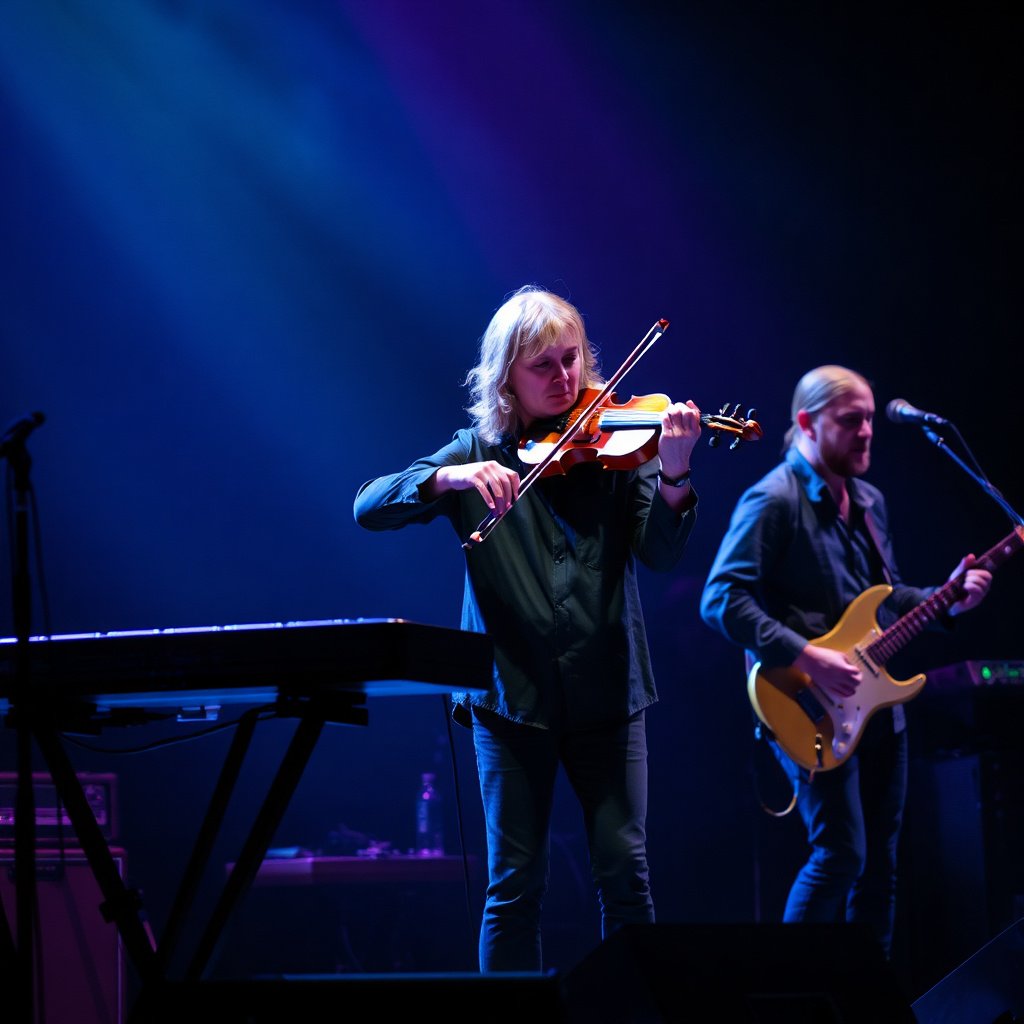
Team Dynamics and Communication
TSO violinists work closely with other musicians to synchronize timing, dynamics, and expressive cues, creating cohesive performances.
Clear communication during rehearsals and shows is essential to navigate complex arrangements and unexpected onstage variations.
For those interested in the broader history and structure of the Trans-Siberian Orchestra, the Trans-Siberian Orchestra on Wikipedia provides a thorough overview. Trans-Siberian Orchestra on Wikipedia.
Adapting to Group Creativity
Violinists often contribute ideas for solos or adjustments, participating in the creative process.
Flexibility to try new interpretations and support fellow members’ improvisations enhances overall show quality.
- Collaborative rehearsals
- Open exchange of musical ideas
- Responsive improvisation
Comparison of Trans-Siberian Orchestra Violinist Roles by Category
Below is a comparison illustrating typical violinist roles within Trans-Siberian Orchestra performances based on skill focus, touring demands, and stylistic requirements.
| Violinist Role | Skill Focus | Touring Frequency | Performance Style |
|---|---|---|---|
| Lead Electric Violinist | Advanced electric violin techniques with solo focus | High (extensive tours) | Rock-heavy, solo-driven |
| Classical Violinist | Classical technique emphasizing orchestral sections | Moderate (seasonal tours) | Symphonic and melodic |
| Backup Electric Violinist | Supporting electric parts with effects | High (full tours) | Textural and ensemble blend |
| Guest Violinist | Specialized solo appearances | Low (select shows) | Varied styles per performance |
Frequently Asked Questions
Does a Trans-Siberian Orchestra violinist use only electric violins?
While many TSO violinists primarily use electric violins to achieve the band’s signature sound, some also switch between acoustic and electric violins depending on the piece.
What kind of practice routine does a TSO violinist follow?
A TSO violinist typically practices several hours daily, focusing on both classical technique and electric violin effects, along with rehearsing the specific setlist.
Are Trans-Siberian Orchestra violinists classically trained?
Yes, most TSO violinists have formal classical training, which provides the foundational skills needed for the orchestra’s complex compositions.
How physically demanding is touring with Trans-Siberian Orchestra for violinists?
Touring is physically demanding due to long performances and travel, requiring violinists to maintain fitness and manage fatigue effectively.
Can violinists audition directly for Trans-Siberian Orchestra?
Yes, potential violinists can audition, often by invitation or networking within the music community associated with TSO.
Key Takeaways
- A Trans-Siberian Orchestra violinist combines classical and electric violin skills.
- Touring requires stamina and adaptability to diverse performance environments.
- Strong stage presence enhances the theatrical nature of TSO concerts.
- Formal training plus rock and electric violin experience are valuable.
Conclusion
Deciding to pursue or understand the role of a Trans-Siberian Orchestra violinist revolves around recognizing the blend of classical mastery with rock-inspired innovation. These musicians are uniquely positioned to bring technical expertise and dramatic flair to performances that challenge traditional boundaries. The role demands both refined artistic technique and resilience to meet the extensive touring and performance schedules characteristic of TSO.
If you are considering a career as a Trans-Siberian Orchestra violinist or simply want to appreciate the nuances of their contributions, focusing on electric violin proficiency alongside solid classical training is key. Positions range from lead electric violinists driving solos with complex effects to classical violinists emphasizing symphonic sections. Each role requires embracing both the precision of classical music and the dramatic showmanship of rock-infused performances.
For aspiring musicians, the next practical step would be to develop a versatile skill set through formal music education and hands-on electric violin experience. Attending auditions, networking with existing TSO members, and committing to rigorous practice routines will facilitate entry into this demanding but rewarding arena. Gaining familiarity with the dynamics of live performance and touring life rounds out preparation to succeed as a Trans-Siberian Orchestra violinist.



One Comment