A Detailed Look at TSO History: Origins and Evolution
TSO, short for Time Sharing Option, originated in the late 1960s as an interactive computing environment developed by IBM for its mainframe systems. It provided users with direct, conversational access to the operating system, transforming batch processing into a more dynamic and responsive tool for programmers and system operators.
Understanding TSO's history matters because it marks a significant shift in computing practices, enabling more efficient software development and system management in environments that previously relied heavily on batch jobs. Its evolution reflects broader trends in computer science, such as user interface design and system interaction methods.
This article covers the origins of TSO, its technical underpinnings, the progression through different IBM system versions, key enhancements over the decades, and the role TSO has played in shaping current mainframe computing environments.
Origins and Early Development of TSO History

IBM’s Motivation for Creating TSO
IBM created TSO to break away from the cumbersome batch processing that dominated early computing. The goal was to allow programmers and operators to interact directly with system resources, improving productivity and responsiveness.
This motivation was partly driven by the growing demand for real-time computing access and the need to support more complex user environments efficiently.
Technical Foundations of the Time Sharing Option
TSO was built on the OS/360 operating system, utilizing time-sharing techniques to allow multiple users to run interactive sessions concurrently. This required sophisticated resource management and user authentication modules.
Its design principles focused on maximizing CPU time utilization while maintaining security and system integrity for all active users.
TSO Growth Through the 1970s and 1980s

Expansion with OS/VS2 and VM Integration
In the 1970s, TSO was integrated into OS/VS2 (MVS), enhancing its stability and allowing greater user concurrency on IBM mainframes. This period saw improvements in command structure and scripting capabilities that expanded TSO’s versatility.
Integration with Virtual Machine (VM) environments allowed TSO users to run multiple sessions and leverage virtualized system resources more effectively.
Progression of User Interfaces and Tools
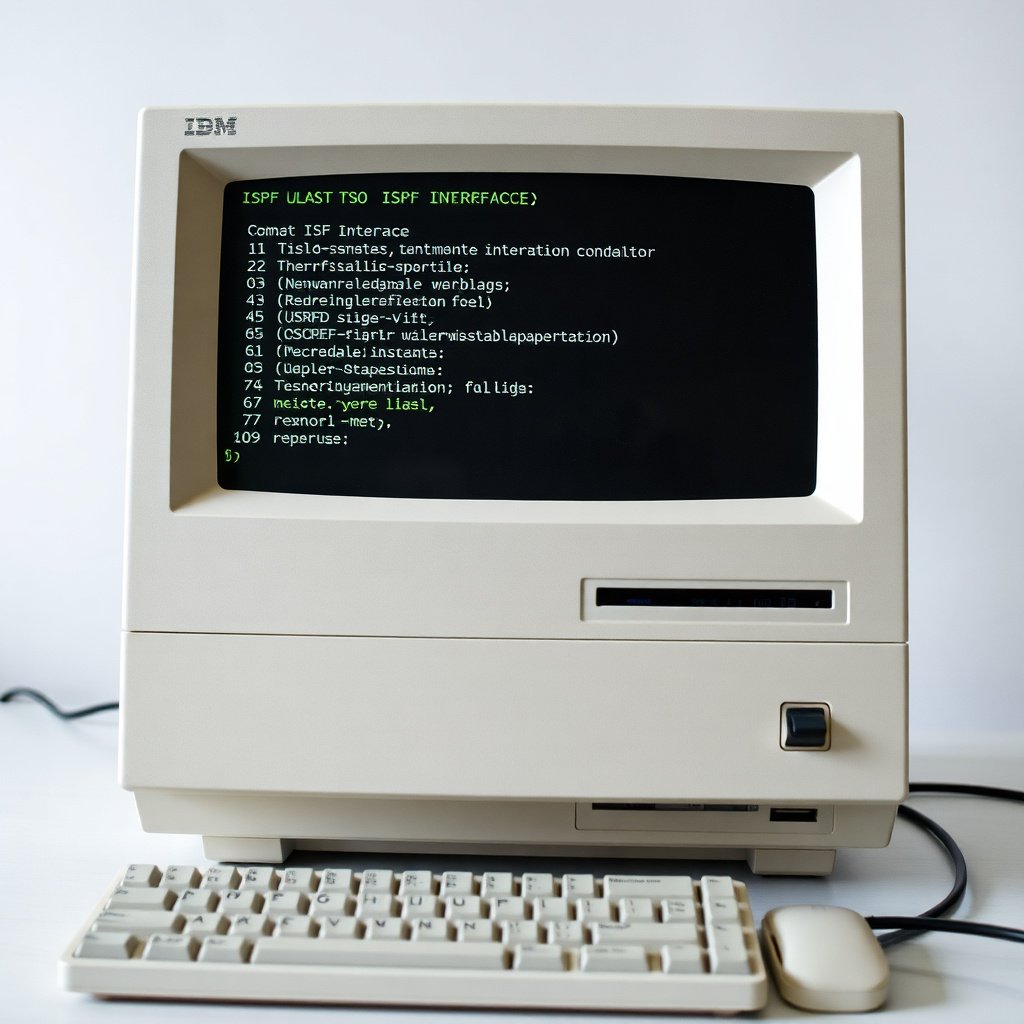
The command line interface of TSO evolved to include more user-friendly features like the ISPF (Interactive System Productivity Facility) environment, which provided menus, panels, and a text editor to enhance the user experience.
These improvements facilitated adoption by a broader range of professionals including systems programmers, developers, and business analysts.
Modern Developments in TSO History
Enhancements in Security and Automation
Modern TSO implementations emphasize security with robust authentication and encryption mechanisms. Support for automation through REXX scripting and integration with newer IBM software suites has further increased TSO’s utility.
These features aid administrators and developers in automating routine tasks and maintaining stringent operational controls.
For more on this, see our related guide: Exploring Trans-Siberian Orchestra’s ‘Christmas Eve Sarajevo’: History and Musical Impact.
TSO Usage in Contemporary Mainframe Environments
Despite the rise of graphical user interfaces, TSO remains essential for many mainframe operations, particularly in legacy system support and batch job debugging.
Its ability to offer direct, command-line access coupled with powerful scripting ensures it continues to be a critical interface in IBM mainframe management.
Key Components of TSO Functionality

Command Line and Session Management
The primary way users interact with TSO is through its command line interface, which allows entering commands, running programs, and managing sessions easily.
Session management features enable multiple simultaneous logins, and users can switch between tasks without restarting their environment.
- Multi-session support
- Command recall and editing
- Job submission and monitoring
Scripting with REXX
REXX scripting language is tightly integrated with TSO, allowing for automation of repetitive tasks and complex workflows.
Scripts can manipulate datasets, control job execution, and interact with system utilities, significantly enhancing productivity.
- Automates system tasks
- Facilitates batch and interactive operations
- Widely supported across mainframe utilities
Comparing TSO to Other Interactive Environments

TSO Versus ISPF
While TSO provides the command-line interface, ISPF serves as a more user-friendly, menu-driven environment layered on top of TSO, providing text editors, file management, and utilities.
Both are used in tandem, with ISPF relying on TSO for session control and command processing.
For more on this, see our related guide: Everything You Need to Know About the TSO Tour 2026.
TSO Compared with Modern Command Interfaces
Modern Linux and Windows command interfaces offer graphical enhancements and plug-in architectures absent in traditional TSO, but TSO’s integration with mainframe systems remains unmatched.
TSO’s scripting and job control capabilities keep it relevant despite the shift toward GUI-based tools.
TSO Development Timeline and Impact on Computing

Historical Milestones in TSO Development
Key milestones include TSO’s debut with OS/360 in the late 1960s, incorporation into OS/VS2 (MVS) in the 1970s, introduction of ISPF in the 1980s, and ongoing enhancements supporting modern mainframes.
Each stage introduced capabilities that expanded TSO’s role from simple time sharing to becoming a comprehensive interactive system for IBM mainframes.
For a detailed overview of TSO’s origins and technical approach, visit the Time Sharing Option page on Wikipedia. Time Sharing Option on Wikipedia.
TSO’s Broader Influence on Computing
TSO’s pioneering time-sharing model influenced other interactive system designs and foreshadowed many aspects of modern multitasking operating systems.
Its emphasis on concurrent user sessions and command scripting set standards still reflected in today’s computing environments.
TSO History Category Comparison
This table outlines key differences among various stages and implementations in TSO history.
| Era | Main Features | System Integration | User Interface |
|---|---|---|---|
| Late 1960s | Basic time-sharing, command line | OS/360 | Basic CLI |
| 1970s–1980s | Multi-session, scripting enhancements | OS/VS2 (MVS), VM | CLI with ISPF introduction |
| 1990s–2000s | Security and automation | Enhanced MVS releases | CLI with improved ISPF |
| 2010s–Present | Advanced scripting, encryption | z/OS mainframes | Modernized CLI and ISPF |
Frequently Asked Questions
What does TSO stand for and what is its purpose?
TSO stands for Time Sharing Option, designed to provide IBM mainframe users interactive access to the operating system for more efficient task management.
How does TSO differ from batch processing?
TSO allows users to run commands interactively in real time, unlike batch processing which executes jobs without immediate user interaction.
What role does ISPF play with TSO?
ISPF is a menu-driven interface built on top of TSO, offering screen-based navigation, editors, and utilities making mainframe tasks more user-friendly.
Can TSO sessions be automated?
Yes, TSO supports automation primarily through the REXX scripting language, allowing repetitive tasks to be executed without manual input.
Is TSO still used with modern IBM mainframes?
TSO remains widely used in modern IBM mainframe environments for interactive system management and legacy application support.
Key Takeaways
- TSO originated in the late 1960s as IBM’s interactive mainframe environment.
- It introduced time-sharing concepts that enhanced user productivity on OS/360 and its successors.
- ISPF and REXX scripting greatly expanded TSO’s usability over time.
- TSO maintains relevance in today’s mainframes due to its command-line power and integration.
Conclusion
Reviewing TSO history reveals a system that fundamentally changed computing interaction on mainframes by shifting away from batch-only operations. The transition to time-sharing allowed a more dynamic workflow, directly impacting software development and system maintenance. Understanding TSO’s origins and evolution helps frame how mainframe environments managed concurrent users and grew more accessible over decades.
For users and administrators managing IBM mainframes today, knowledge of TSO’s development timeline supports better decisions regarding tool use and system integration. Those working with OS/VS2 (MVS) or more current z/OS systems will find ISPF and REXX scripting indispensable, while appreciating TSO’s continuing role as the core user interface. Different stages of TSO history offer insights into feature sets suitable for various operational needs.
If you engage with IBM mainframe environments, familiarizing yourself with TSO’s history and capabilities is vital. Start experimenting with TSO commands and ISPF screens while exploring scripting through REXX to maximize your productivity and system control. This familiarization forms a crucial foundation for efficient mainframe system interaction and ongoing skill development.