TSO Paul O’Neill: A Detailed Guide to His Musical Legacy
TSO Paul O'Neill was the creative mastermind behind the Trans-Siberian Orchestra (TSO), fusing progressive rock, classical music, and theatrical storytelling into a unique musical experience. His vision brought TSO to prominence with spectacular concerts and multi-genre albums that captivated audiences worldwide.
Understanding Paul O'Neill's role matters because his innovative approach shaped TSO's distinctive sound, blending heavy metal guitar riffs with orchestral arrangements and narrative-driven lyrics. His work expanded the boundaries of holiday-themed music by introducing complex compositions and dramatic performances.
This article dives into Paul O'Neill's background, his collaboration with TSO, key albums and concerts, and how his legacy continues to influence rock and symphonic music fans globally.
Paul O'Neill's Early Career and Musical Influences

Beginnings in the Music Industry
Paul O'Neill started out in the 1970s as a music producer and composer, working with various rock and folk artists. His experience in multiple genres helped him develop a versatile approach to music production and storytelling.
His early projects often involved conceptual albums, laying the groundwork for his later grand thematic works with the Trans-Siberian Orchestra.
Influences That Shaped His Style
O'Neill drew inspiration from progressive rock bands like Rush and Queen and classical composers such as Beethoven and Tchaikovsky, combining the dramatic flair of classical music with the energy and intensity of rock.
His ability to blend these diverse influences allowed him to craft TSO's signature sound, which blends rock operas with symphonic elements.
The Formation and Evolution of Trans-Siberian Orchestra

How TSO Came to Life
Paul O'Neill founded the Trans-Siberian Orchestra in 1996, aiming to create albums that combined storytelling, rock, and classical music. His collaboration with musicians from various backgrounds helped realize his ambitious vision.
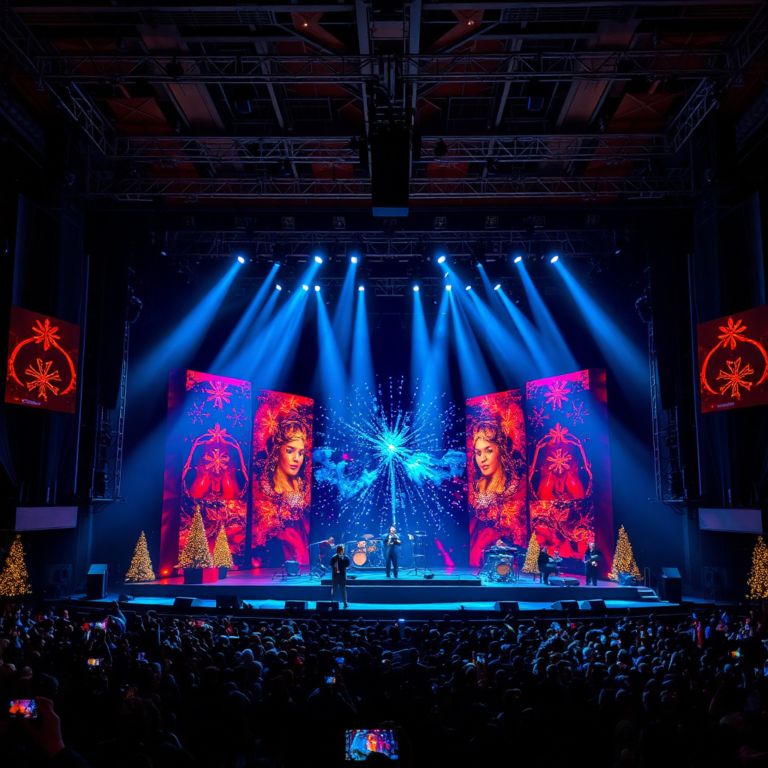
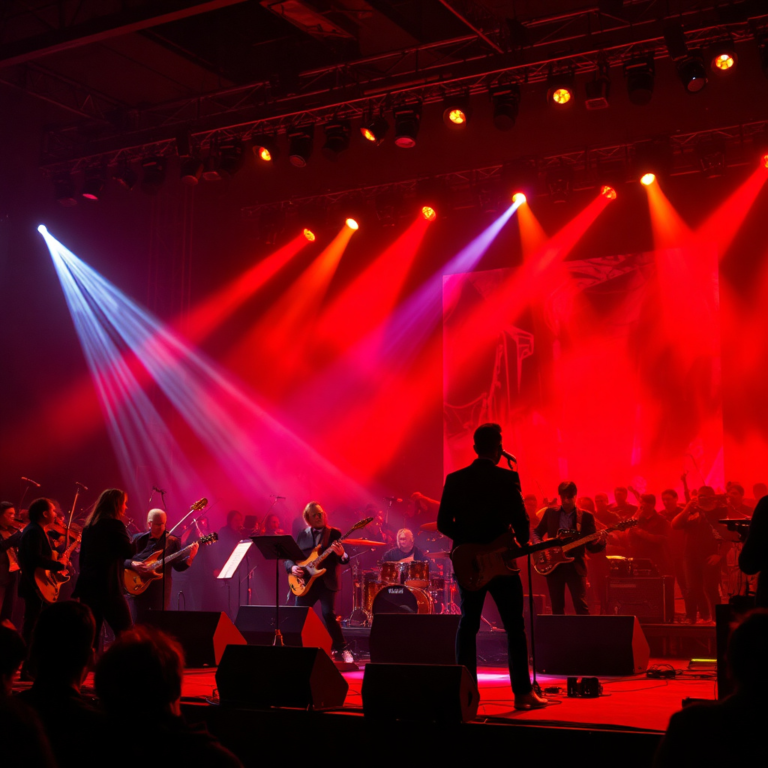
TSO's founding was also notable for integrating theatrical elements like lighting, stage effects, and synchronized visuals, setting their concerts apart from typical rock shows.
Growth Through Concept Albums and Tours
TSO’s debut album, "Christmas Eve and Other Stories," launched in 1996, defined the band's sound with elaborate narratives and orchestral rock arrangements. This was followed by several other albums that further developed the storytelling tradition.
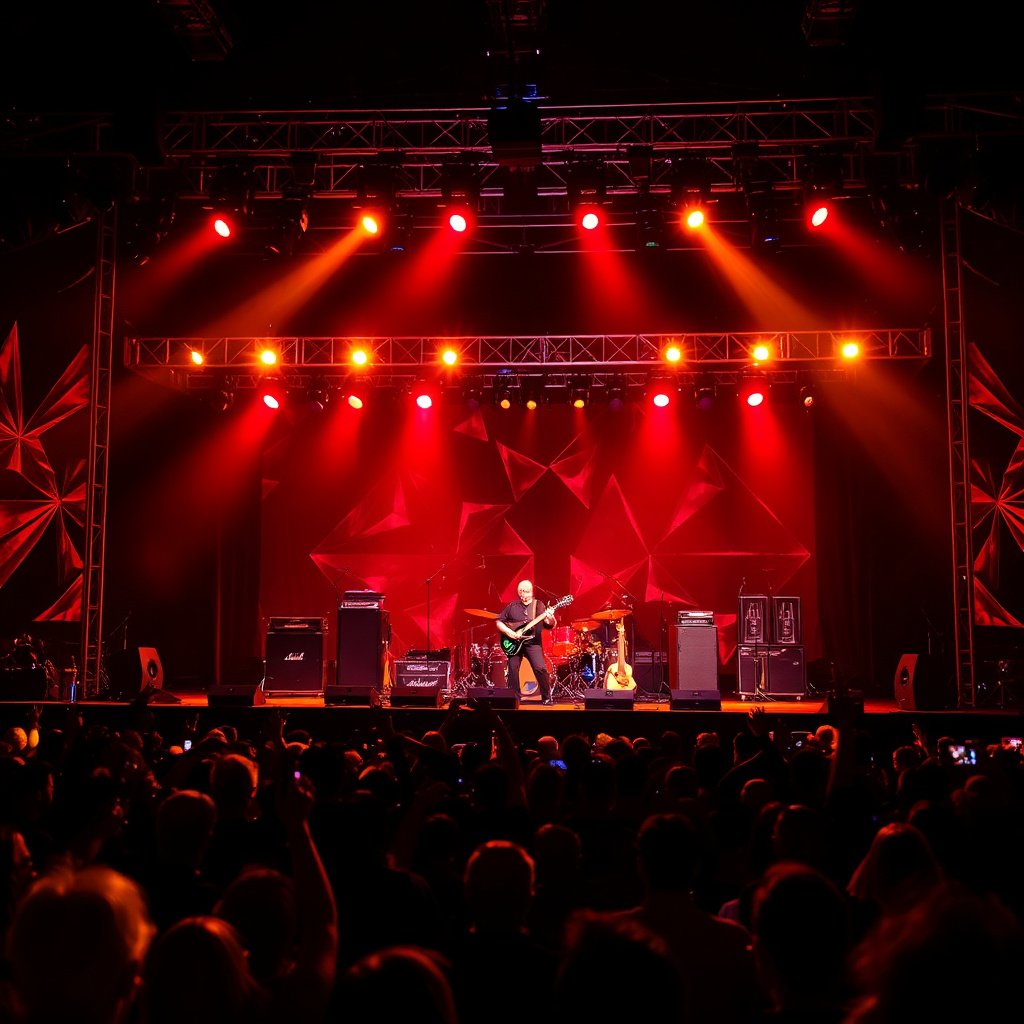
Touring became a central part of TSO's identity, producing elaborate holiday shows that combined music, lights, and multimedia to draw fans year after year.
Signature Albums Produced by Paul O'Neill

Christmas Eve and Other Stories
This debut album introduced TSO's fusion of rock and classical with a holiday twist, weaving stories about hope and redemption. Paul O'Neill’s production emphasized rich arrangements and cinematic storytelling.
It became a seasonal favorite with timeless tracks like "Christmas Eve/Sarajevo 12/24," showcasing distinctive violin solos against heavy guitar riffs.
Beethoven's Last Night
"Beethoven's Last Night" is a rock opera released in 2000 that explores a fictional last night of Beethoven's life. Paul O'Neill's intricate compositions and narrative structure made it a standout work in the progressive rock genre.
The album cleverly integrates classical motifs with hard rock and features vocal performances that bring the drama to life, further cementing O'Neill’s reputation as a master storyteller.
Paul O'Neill's Production Techniques and Artistic Vision

Innovative Blending of Genres
O'Neill's production was known for seamlessly merging classical orchestration with rock elements without compromising either’s integrity. This required careful arrangement and mixing to balance electric guitars, symphonic instruments, and vocalists.
He often incorporated choirs, strings, and electronic effects to create layered, immersive soundscapes that supported the story arcs in his albums.
The Importance of Storytelling in His Music
Every TSO album produced by O'Neill told a cohesive story, often framed around themes of struggle, redemption, and the holiday spirit. His lyricism and musical cues were designed to evoke strong emotional responses.
This approach to storytelling set TSO apart from other rock groups, making each album more than just a collection of songs, but a theatrical experience.
Legacy and Impact of Paul O'Neill on Modern Music
Influence on Rock and Symphonic Music
O'Neill’s approach to blending genres influenced many artists to explore symphonic elements in rock music. His work bridged gaps between different music styles and introduced new audiences to orchestral rock.
Many contemporary artists cite TSO's ambitious productions as inspiration for integrating narrative and technical showmanship into their performances.
Enduring Popularity After His Passing
Following Paul O'Neill's passing in 2017, TSO has maintained its standing through faithful adherence to his musical vision and continued touring. Fans and musicians alike celebrate his innovative contributions to music.
His influence persists in holiday music rotations and within the progressive rock community, securing his place as a transformative figure in modern music history.
Understanding TSO's Musical Themes and Motifs
Central Themes in TSO’s Albums
TSO’s albums often revolve around themes of hope, redemption, and the human spirit, woven into fantastical and sometimes historical narratives. These themes resonate especially during the holiday seasons.
Paul O'Neill carefully crafted these motifs to connect deeply with listeners, offering stories of struggle and triumph that feel both personal and universal.
For more detailed information about Paul O'Neill and Trans-Siberian Orchestra, you can visit the Trans-Siberian Orchestra on Wikipedia. Trans-Siberian Orchestra on Wikipedia.
Use of Motifs and Recurring Musical Elements
Motifs, such as the recurring violin solos or choral passages, act as musical callbacks across TSO albums, creating a cohesive universe for fans. These elements reinforce the storytelling and emotional impact.
O'Neill's technique of thematic recurrence helped make songs instantly recognizable and memorable amid complex orchestral arrangements.
Comparing Paul O'Neill's TSO Albums by Theme and Style
This table contrasts major TSO albums produced by Paul O'Neill based on story themes, musical style, and fan reception.
| Album | Story Theme | Musical Style | Fan Reception |
|---|---|---|---|
| Christmas Eve and Other Stories | Holiday redemption | Symphonic rock with heavy metal | Extremely popular, seasonal staple |
| The Christmas Attic | Holiday fantasy and family | Orchestral rock with vocal emphasis | Highly rated, appreciated for vocals |
| Beethoven's Last Night | Classical legend retelling | Rock opera with classical motifs | Cult favorite, critically praised |
| The Lost Christmas Eve | Mythical holiday tale | Epic symphonic rock | Well-received for storytelling |
Frequently Asked Questions
Who was Paul O'Neill in relation to the Trans-Siberian Orchestra?
Paul O'Neill was the founder, producer, and primary composer behind the Trans-Siberian Orchestra, responsible for its signature blend of rock and orchestral music.
What is unique about TSO's musical style?
TSO uniquely combines progressive rock, classical music, and theatrical storytelling, creating dramatic rock operas often centered around holiday themes.
Which album is considered Paul O'Neill's breakthrough with TSO?
"Christmas Eve and Other Stories" is seen as the breakthrough album, establishing the band’s sound and gaining widespread attention.
How did Paul O'Neill's production influence modern rock?
His innovative blending of orchestral arrangements with rock set a precedent for symphonic rock and inspired numerous artists to explore genre fusion.
Did TSO continue after Paul O'Neill's death?
Yes, TSO has continued performing and touring, honoring Paul O'Neill’s legacy by preserving his musical vision and stage production style.
Key Takeaways
- Paul O'Neill founded and shaped TSO’s unique symphonic rock sound.
- He expertly blended rock, classical music, and theatrical storytelling.
- TSO’s albums are best known for their holiday themes and narrative depth.
- His legacy continues through ongoing tours and fan devotion.
Conclusion
Choosing how to appreciate Paul O'Neill’s contributions requires understanding his dual talents as both a visionary producer and a composer. He broke new ground in the fusion of rock and classical music, creating an immersive experience that goes beyond typical concerts. His approach to storytelling through music redefined what a rock orchestra could achieve, inspiring countless musicians and fans around the world.
For those interested in exploring his work, starting with "Christmas Eve and Other Stories" is ideal to experience the hallmark sound that launched TSO’s success. Follow this with "Beethoven's Last Night" to see how he tackled complex narratives through rock opera. Attending a live Trans-Siberian Orchestra show is highly recommended, as the theatrical elements and production quality fully realize Paul O’Neill’s artistic vision.
If you want a deeper appreciation of the fusion between classical motifs and rock energy that Paul O’Neill championed, listening to key albums and reading about TSO’s history will provide rich context. Be sure to check official Trans-Siberian Orchestra releases and trusted music history sources to continue discovering the remarkable legacy of Paul O'Neill.