TSO What to Expect: A Clear Guide to Timing, Process, and Results
TSO, or Technical Specifications Order, is a procedural process that involves specific compliance and evaluation stages to ensure technical requirements are met. When facing a TSO, anticipate a structured sequence of detailed documentation review, testing phases, and validation checkpoints designed to verify adherence to standards.
This matters because understanding what to expect during a TSO can reduce surprises and improve preparation for all parties involved. Timelines and procedural requirements can vary significantly depending on the sector and complexity of the project, making prior knowledge essential for efficient navigation.
This article outlines what the TSO process entails, highlights timelines to anticipate, describes key activity stages, and explains common results and next steps after completion. By the end, you'll have a practical grasp on managing the process confidently.
Understanding the TSO Process Overview
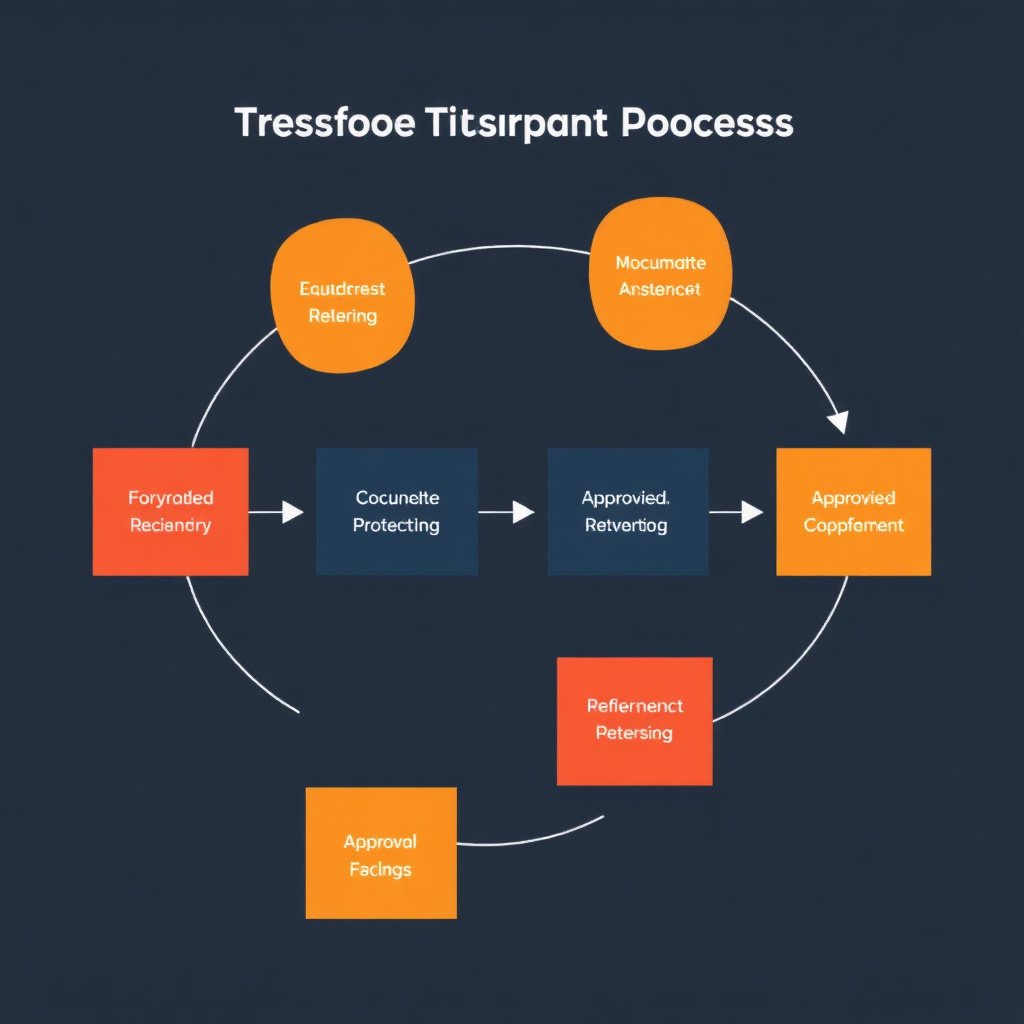
What is a TSO?
A TSO refers to a formalized set of instructions or standards that must be met before equipment or services can be approved for use, especially in regulated industries such as aviation or telecommunications. It specifies technical requirements, often issued by regulatory bodies.
The primary goal of a TSO is to ensure safety, compatibility, and quality by enforcing compliance with standardized parameters. This involves thorough documentation, testing, and certification phases.
Key Stages in the Process
Typically, the TSO process starts with submission of design documentation, followed by rigorous testing campaigns to verify conformity. Then, evaluation teams review results and may require modifications.
Final approval is granted once all requirements are met, often documented through formal certificates or orders. This multi-step approach helps ensure products meet the intended technical standards before market entry or operational use.
- Documentation submission
- Testing and validation
- Review and feedback
- Certification or approval
TSO Timelines and What to Anticipate

Typical Duration of TSO Steps
The length of each TSO phase varies depending on complexity and scope. For example, documentation review may take weeks, while testing periods can extend to several months when multiple test cycles are needed.
Delays often occur due to revision requests or additional data requirements, so building buffer time into project schedules is advisable to accommodate unforeseen issues.
- Documentation review: 2-4 weeks
- Testing phase: 4-12 weeks
- Final evaluation: 1-3 weeks
Factors Influencing Timeline Changes
Variables such as regulatory updates, complexity of the equipment, and level of coordination between stakeholders can affect timing. Products with novel features may require extended testing or specialized evaluations.
Proactive communication with the certifying authority can help clarify expectations and reduce timeline risks by addressing questions or discrepancies early.
Preparing for Each TSO Phase

Effective Documentation Submission
Compiling accurate, complete technical documentation aligned with TSO requirements is critical. This includes design drawings, material specifications, test plans, and prior certifications if applicable.
Ensure all files follow prescribed formats and are submitted within set deadlines to avoid administrative delays and maintain smooth progress through the initial phase.
- Follow regulatory format guidelines
- Confirm completeness before submission
- Include supporting data and test protocols
For more on this, see our related guide: Gas South Arena Parking Cost: What to Expect and How to Save.
Preparing for Testing and Validation
Before testing, verify your product meets basic design criteria to avoid repeated failures. Coordinate scheduling with test labs and anticipate resource requirements like manpower and instrumentation.
Understanding the test scope helps prioritize areas for internal pre-tests or design adjustments to streamline official evaluation efforts.
TSO Process Outcomes and Follow-Up Actions
Possible Results from a TSO
Outcomes can range from immediate approval to requests for additional testing or modifications. Conditional pass scenarios may require follow-up submissions or periodic audits as part of compliance maintenance.
Understanding these potential results helps in planning for next steps and resource allocation post-process.
- Full approval and certification
- Conditional approval with follow-ups
- Rejection and rework requirements
Managing Post-TSO Requirements
After approval, staying compliant can involve regular inspections, updates to documentation, or adaptation to regulatory changes. Assign a responsible team to monitor these aspects proactively.
Building strong communication lines with regulatory authorities facilitates smoother handling of any further certification processes or clarifications.
Industry Variations in TSO Application

TSO in Aviation
In aviation, TSO compliance ensures components like avionics or safety equipment meet Federal Aviation Administration (FAA) standards before installation. Strict parameters govern performance and traceability.
The process often includes coordination with notified bodies and extensive documentation evidencing each stage of production and testing.
For more on this, see our related guide: What to Expect from a Trans-Siberian Orchestra Concert Experience.
TSO in Telecommunications
Telecommunications TSOs often focus on equipment interoperability, signal integrity, and electromagnetic compatibility. Requirements can be governed by national or international bodies, reflecting technology-specific challenges.
Operators and manufacturers work together to certify devices conforming to these specifications, which affect service quality and network consistency.
Common Challenges in the TSO Process

Documentation and Compliance Issues
Mistakes or omissions in documentation frequently cause review delays. Not anticipating regulatory nuances or failing to provide clear test evidence can lead to repeated submissions.
Keeping thorough logs and adopting a checklist approach helps reduce these problems.
For additional background on TSO, see this comprehensive overview of Technical Standard Orders on Wikipedia. Technical Standard Orders on Wikipedia.
Technical and Testing Delays
Unexpected technical failures or equipment deficiencies during testing can stretch timelines. Lack of proper pre-test preparation increases risk of needing costly redesigns or re-tests.
Allocating adequate development time and building contingency plans are helpful strategies to address such setbacks.
TSO Process Categories Comparison
Below is a comparison of typical TSO categories across industries highlighting key characteristics and expected timelines.
| Category | Industry | Typical Duration | Focus Areas | Certification Authority |
|---|---|---|---|---|
| Avionics Components | Aviation | 8-16 weeks | Performance, Safety, Traceability | FAA |
| Radio Equipment | Telecommunications | 6-12 weeks | Interoperability, EM Compatibility | FCC/ECC |
| Industrial Machinery | Manufacturing | 4-10 weeks | Safety, Mechanical Integrity | OSHA/Local |
| Medical Devices | Healthcare | 10-20 weeks | Sterility, Reliability, Safety | FDA |
Frequently Asked Questions
How long does a typical TSO process take?
The TSO process duration varies widely but generally ranges from 4 to 20 weeks depending on the industry, complexity, and completeness of documentation and testing.
Who issues a TSO certification?
TSO certifications are issued by relevant regulatory bodies such as the FAA for aviation or the FCC for telecommunications, based on industry-specific requirements.
What happens if a TSO test fails?
If a test fails, the product must be re-evaluated after making necessary adjustments or corrections, which can extend timelines and require additional documentation.
Can TSO requirements differ by country?
Yes, while many standards are harmonized internationally, specific TSO requirements and authorities vary by country, so regional regulations must be considered.
Is prior internal testing helpful before TSO?
Absolutely, conducting thorough internal testing before official TSO testing can identify issues early and help prevent process delays or rejections.
Key Takeaways
- TSO is a formal process to verify technical compliance and standards adherence.
- Timelines depend on complexity and industry but often span several weeks to months.
- Proper documentation and thorough testing are critical to avoid delays.
- Different industries apply TSO standards uniquely with specific regulatory bodies.
Conclusion
Approaching a TSO process requires a clear understanding of each stage from submission through certification. By treating it as a series of well-defined steps — documentation preparation, testing, evaluation, and approval — you can anticipate typical challenges and plan accordingly. Keeping communication channels active with certifying authorities and addressing feedback promptly improves success rates and timeline adherence.
For projects in aviation or telecommunications, expecting rigorous technical scrutiny is essential, with standards set by the FAA or FCC respectively. Industrial machinery and medical device TSOs likewise demand precise adherence to their sector's safety and operational criteria. Selecting specialized consultants or teams familiar with your industry’s TSO process can reduce complications and increase efficiency significantly.
To get started, focus first on compiling complete, accurate technical documentation and conducting internal quality testing to minimize issues during official evaluations. Understanding what to expect lets you enter the TSO process confidently and helps your product reach regulatory approval without unexpected setbacks or costly delays.