Understanding TSO Members: Roles and Importance within Transmission System Operators
TSO members are organizations or entities that participate in the governance and operation of Transmission System Operators (TSOs), which manage the high-voltage electricity grids. These members typically include government bodies, energy companies, and regulatory authorities that collaborate to ensure the reliable delivery of electricity across regions. Understanding TSO members helps clarify how responsibility and coordination occur within this critical infrastructure.
The participation of TSO members is vital because it ensures joint decision-making over the electricity transmission network's planning, maintenance, and emergency response. Their involvement strengthens grid resilience by aligning various stakeholders’ interests, including producers, suppliers, and consumers, while balancing economic and environmental goals. Transparent cooperation among TSO members improves system security and facilitates integration of renewable energy sources.
This article will cover what defines TSO members, their typical roles and responsibilities, the structure of governance within TSOs, and how their collaboration impacts electricity transmission. We'll also look at examples from major TSOs internationally and compare different types of membership structures. Finally, we will address frequent questions about TSO members and highlight key points to understand their importance.
Defining TSO Members and Their Roles
Who Are TSO Members?
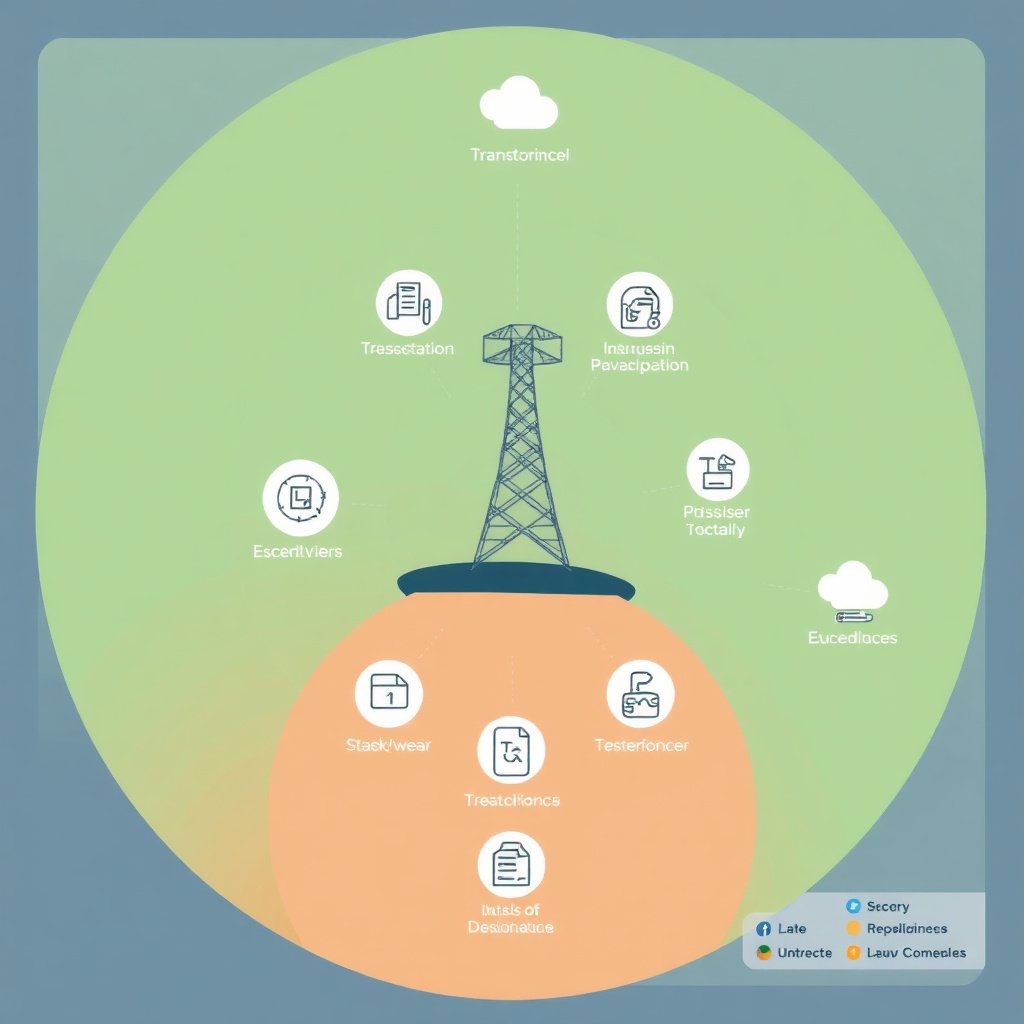
TSO members are usually a mix of public and private entities that collectively oversee the operation and management of the electricity transmission grid. They can include government agencies responsible for energy policy, utility companies owning parts of the infrastructure, and independent regulatory commissions. These members contribute capital, expertise, and governance oversight in accordance with their shares or agreements.
Their participation is formalized in membership agreements that define voting rights, responsibilities, and financial commitments. By uniting these diverse stakeholders, TSO members ensure coordinated grid management that aligns with national or regional energy strategies and regulations.
Key Responsibilities of TSO Members
TSO members primarily supervise high-level decisions such as approving investment plans for grid upgrades and expansion. They influence operational policies, safety standards, and compliance with environmental guidelines to guarantee a stable and secure electricity supply.
Additionally, members often engage in monitoring the TSO’s performance, risk management, and coordinating with neighboring transmission systems. Their contributions enable the efficient balancing of supply and demand and the integration of variable renewable energy sources.
- Approving infrastructure investments
- Setting policy and operational guidelines
- Overseeing regulatory compliance
- Managing interconnections with adjacent grids
Governance Structures Involving TSO Members
Board Composition and Decision-Making
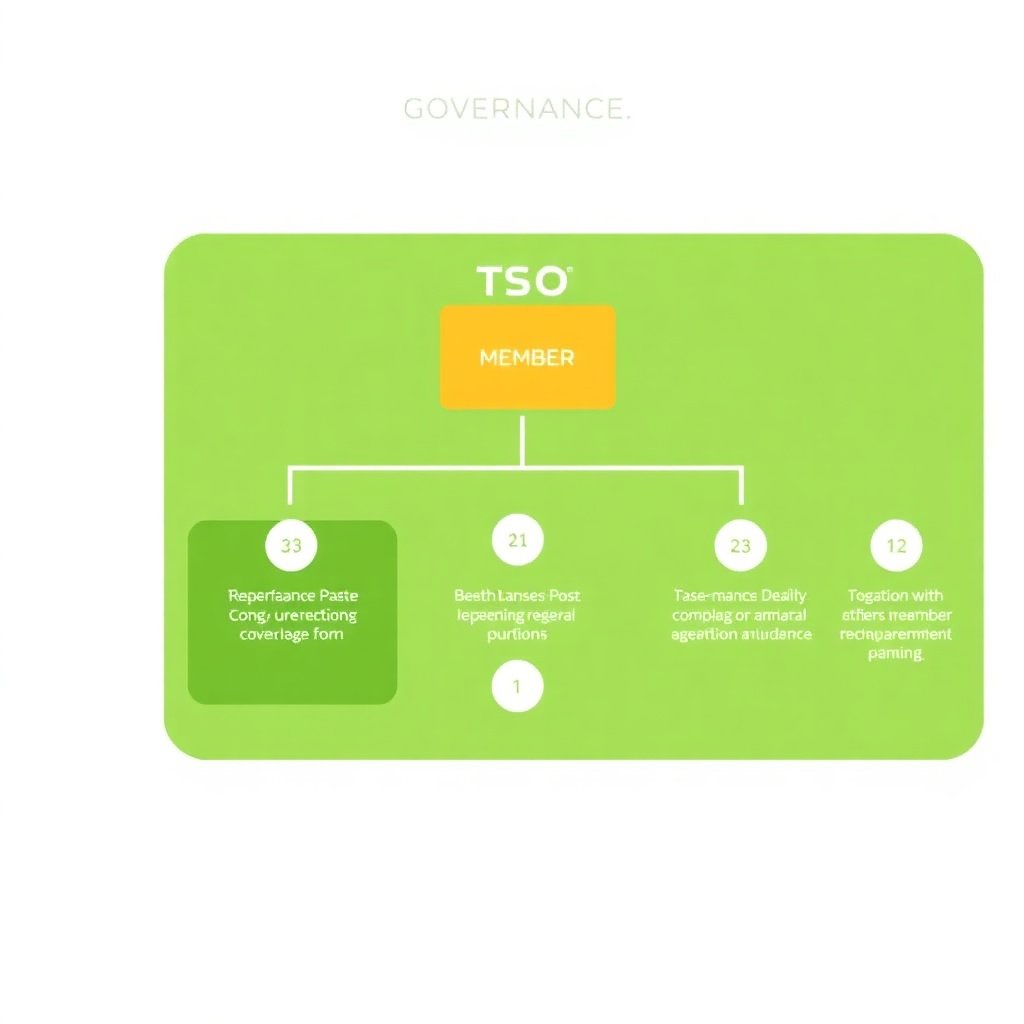
TSO members typically form a board of directors or supervisory council responsible for strategic decisions and oversight. The board’s composition reflects the member entities’ stakes, balancing public interest representation with commercial operational efficiency.
Decision-making follows agreed procedures that may require majority or supermajority votes depending on the issue's importance. This governance model ensures transparency, accountability, and collective responsibility among members.
Member Participation in Operational Committees
Beyond the board, members often participate in specialized committees that handle technical, financial, or environmental matters. These committees provide detailed analyses and recommendations that help the board make informed decisions.
Such participatory roles of TSO members facilitate effective communication between technical teams and governance bodies, fostering alignment in meeting operational and strategic objectives.
Impact of TSO Members on Transmission System Performance
Enhancing Grid Stability and Reliability
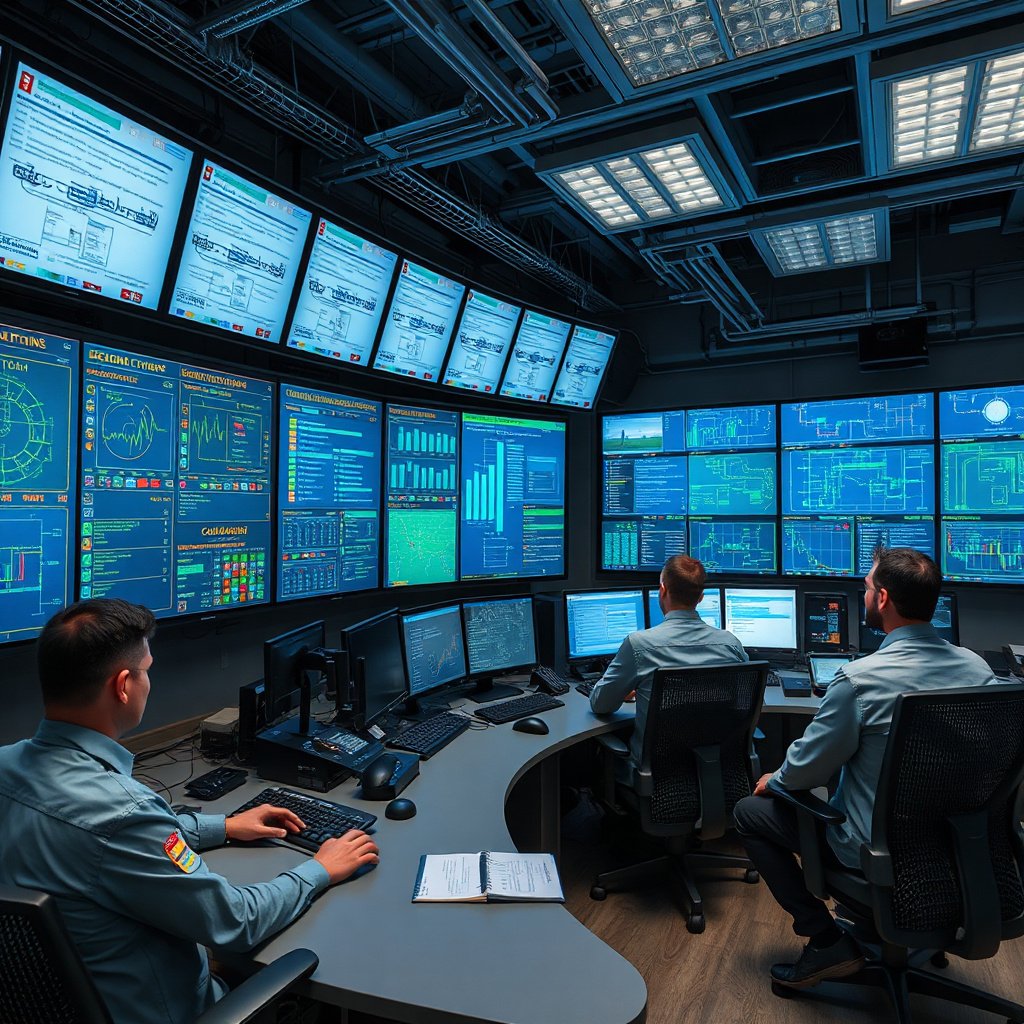
The collaboration of TSO members through coordinated decision-making ensures rapid responses to disturbances and planned maintenance activities. Their joint efforts help prevent outages and facilitate quick restoration, thereby maintaining continuous service.
Through joint oversight, TSO members promote investments in advanced technologies such as real-time monitoring, smart grids, and energy storage, all contributing to grid robustness.
For more on this, see our related guide: Who Are the Members of Trans-Siberian Orchestra? An In-Depth Look.
Facilitating Renewable Energy Integration
TSO members play a vital role in adapting the transmission network to handle variable renewable energy like wind and solar. They guide investments in grid flexibility and expansion to accommodate fluctuating generation patterns.
Their decisions also influence balancing markets and demand response programs, which help absorb renewable supply changes smoothly while maintaining system frequency and voltage within safe limits.
Examples of TSO Member Structures Worldwide
European TSO Member Models
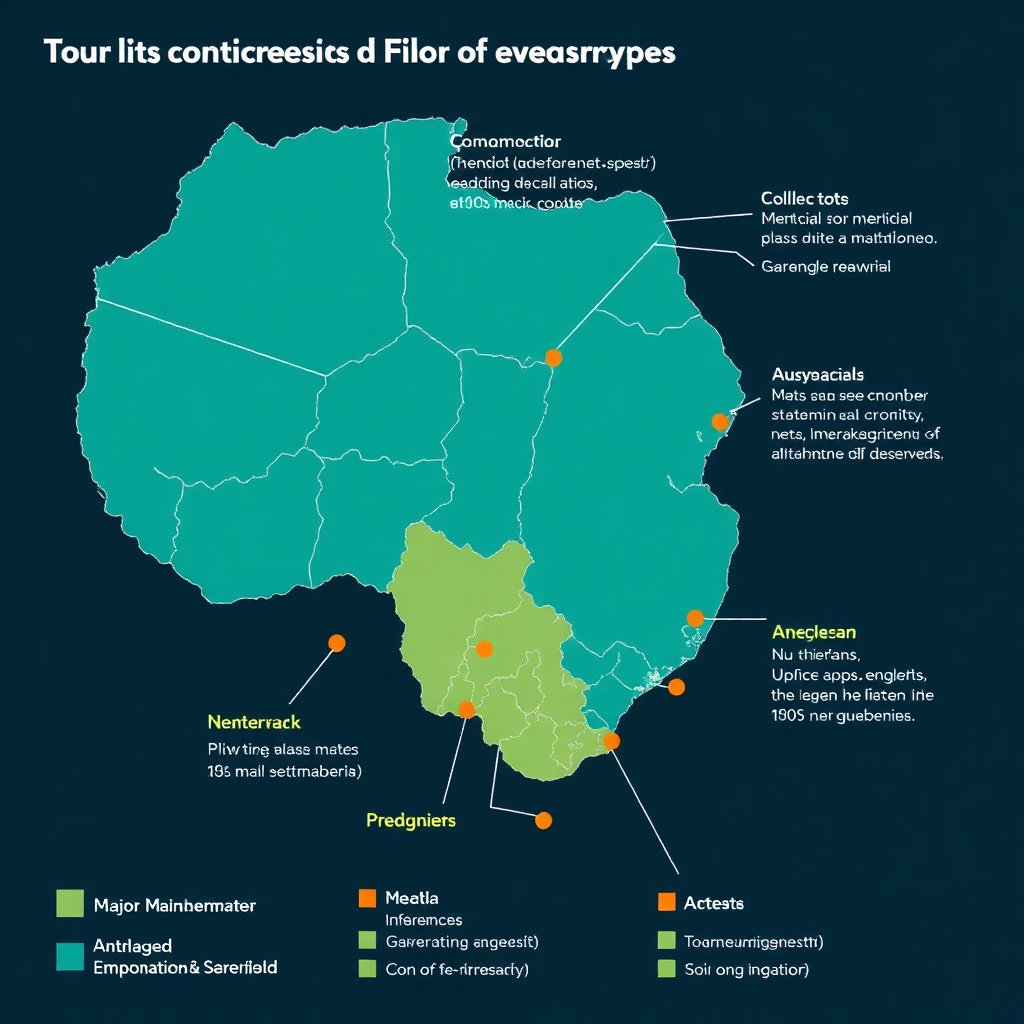
In Europe, many TSOs are owned or strongly regulated by national governments, with membership often including state-owned enterprises and regulatory bodies. Entities like ENTSO-E coordinate multiple member TSOs across countries to promote cross-border electricity flows and market integration.
The involvement of diverse members ensures accountability to public interests while allowing operational flexibility and innovation in transmission management.
North American TSO Membership Variations
In the United States and Canada, TSOs often function as independent non-profit organizations with membership drawn from utilities, generators, and large industrial consumers. This model fosters competitive electricity markets alongside reliable transmission operation.
Member voting rights and financial contributions vary based on participation agreements, affecting how decisions like rate-setting and infrastructure development are managed.
Legal and Regulatory Frameworks Surrounding TSO Members
National Regulations Impacting TSO Membership
Most countries regulate TSO membership through energy laws and regulations that specify eligibility, rights, and obligations of members. These frameworks seek to balance public interest, competition, and security of supply.
Compliance with these legal requirements by TSO members ensures that transmission grids operate within safety, efficiency, and environmental standards.
For more on this, see our related guide: TSO 2025 Tour: What to Expect from the Trans-Siberian Orchestra’s Upcoming Shows.
Cross-Border Regulatory Coordination
For TSOs operating across national borders, members must navigate differing regulatory regimes. Coordination mechanisms often exist to harmonize rules, grid codes, and operational procedures.
This regulatory alignment helps TSO members manage international grid stability and support regional electricity markets effectively.
Future Trends Affecting TSO Members and Their Roles

Evolving Responsibilities with Grid Modernization
As grids become smarter and more decentralized, TSO members will face new roles managing distributed energy resources and two-way power flows. Their governance models may evolve to include more stakeholders like prosumers and technology providers.
Such developments require members to enhance strategic planning and adapt regulatory frameworks to support emerging grid architectures.
For a detailed overview of transmission system operators and their functions, see the Transmission system operator article. Transmission system operator.
Increasing Importance of Collaboration and Innovation
Future challenges like climate change and electrification underscore the need for TSO members to cooperate on innovation, data sharing, and resilience strategies. Collaborative efforts will be crucial in integrating renewables and maintaining grid security under more variable operating conditions.
The shift toward decarbonized power systems will demand flexible membership structures that foster agile, informed decision-making.
Comparison of Different TSO Member Models
Below is a comparison of typical TSO member configurations across various regions, highlighting their ownership types, governance, and roles.
| Region | Ownership Type | Member Composition | Decision-Making Process |
|---|---|---|---|
| Europe | Mixed public & private | Government agencies, regulated utilities | Board voting with supermajority options |
| North America | Independent non-profit | Utilities, generators, consumers | Weighted voting by financial contribution |
| Asia | Mostly state-owned | Government and state enterprises | Government-appointed boards |
| Australia | Public-private partnerships | Utilities, regulators, investors | Consensus-based decision making |
Frequently Asked Questions
What defines a TSO member?
A TSO member is an entity such as a government body, utility company, or regulatory agency that participates in the ownership, governance, or oversight of a Transmission System Operator.
How do TSO members influence grid operations?
TSO members influence grid operations by setting strategic policies, approving investments, and monitoring system performance to ensure a reliable and efficient transmission network.
Are TSO members always governmental organizations?
Not always; while many TSO members are government bodies, private utilities and regulatory commissions can also be members depending on the region and governance model.
How does TSO membership affect renewable energy integration?
Members help direct investments in grid flexibility and upgrades, enabling the integration of renewable sources by managing variability and maintaining system stability.
Can TSO members come from different countries?
Yes, especially in regions with interconnected grids like Europe, where TSO members from various countries cooperate to manage cross-border transmission.
Key Takeaways
- TSO members are essential stakeholders overseeing electricity transmission operations and governance.
- Their diverse backgrounds enable balanced decision-making for grid reliability and policy adherence.
- Governance structures among TSO members vary globally but focus on transparency and collaboration.
- TSO members play a critical role in supporting renewable energy integration and future grid modernization.
Conclusion
Evaluating TSO members involves understanding their varied roles in governance and operational oversight of transmission systems. Their coordinated decision-making ensures the grid remains stable, safe, and capable of meeting evolving energy demands. Recognizing how members contribute helps clarify the complex responsibilities involved in managing high-voltage networks across regions.
Different regions apply diverse membership models, from predominantly government-controlled entities in Asia to mixed public-private structures in Europe and North America. Where renewable energy expansion is critical, members focus on investments that improve grid flexibility and reliability. Choosing a TSO structure with participatory member involvement aligns with sustainable energy and market integration goals.
For those engaged in energy policy, regulation, or utility management, assessing TSO membership frameworks is a practical step toward enhancing grid performance and resilience. Exploring specific regional examples provides context for how member roles shape transmission system evolution and support future energy transitions.