Is It Safe to Buy Tickets from a Broker? What You Need to Know
Yes, it can be safe to buy tickets from a broker, but this depends heavily on the broker's reputation and the authenticity guarantees they provide. Trusted brokers often offer buyer protections that reduce the risks of counterfeit or invalid tickets.
Many people turn to brokers when original tickets sell out quickly or are hard to access. However, broker purchases sometimes carry extra fees or higher prices, and the market has both reliable and questionable sellers. Knowing how to identify reputable brokers is essential to avoid scams and ensure a smooth event entry.
This article will explore what safety measures to look for when buying tickets from a broker, how to spot red flags, different types of ticket brokers, and practical tips to make your ticket purchase secure and stress-free.
Understanding Ticket Brokers and Their Role

What Does a Ticket Broker Do?
Ticket brokers act as intermediaries between event organizers and consumers, reselling tickets that are either pre-purchased or acquired from other buyers. They provide an alternative marketplace for tickets after the initial sale phase, often catering to sold-out events.
Brokers may operate online platforms, physical outlets, or mobile apps, offering a wide range of events like concerts, sports, theater, and more. Their inventory can include exclusive seats, last-minute releases, or premium packages not easily found elsewhere.
Types of Ticket Brokers
There are licensed brokers who collaborate officially with venues or event promoters, offering verified tickets, and independent resellers who may operate on secondary markets with less regulation.
Some brokers focus on large-scale sales with guarantees, while others handle niche markets or smaller events. Understanding a broker’s business model can help gauge their trustworthiness.
Risks and Benefits of Buying Tickets from a Broker
Common Risks to Be Aware Of
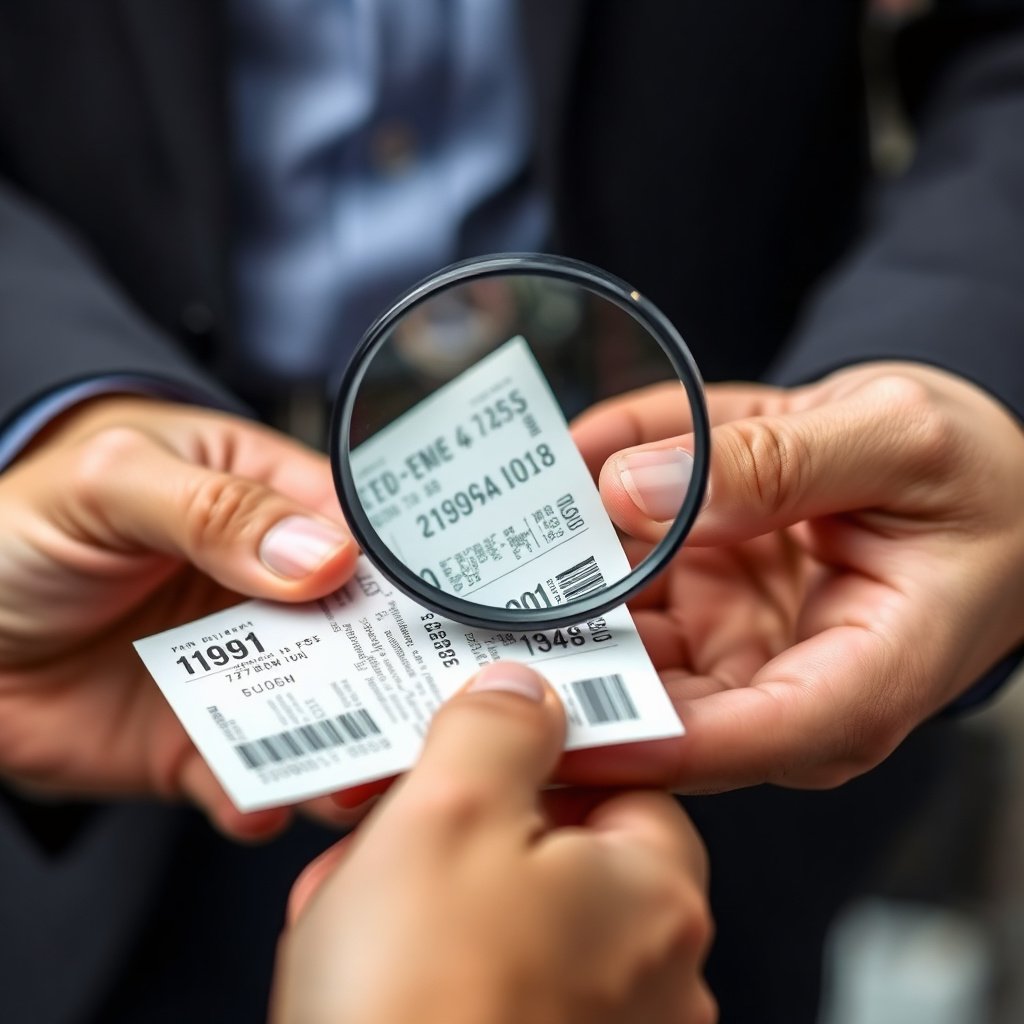
Buying tickets from a broker can expose buyers to risks like counterfeit tickets, inflated prices, or tickets that don’t grant event access. Some brokers may not provide refunds or customer support if issues arise.
Another risk involves last-minute cancellations or changes that brokers might not communicate promptly. These risks highlight why verifying a broker’s legitimacy is important.
- Counterfeit tickets or scams
- Excessive service fees
- Lack of refund options
- Poor customer support
Benefits When Using a Trusted Broker
Trusted brokers often guarantee ticket authenticity and customer satisfaction, giving buyers peace of mind. They also enable access to sold-out or hard-to-get events and may offer convenient delivery or mobile ticketing options.
Well-established brokers enforce transparent pricing and provide buyer protection policies like refunds or event replacements, making transactions safer than dealing with unknown individual sellers.
- Authenticity guarantees
- Access to sold-out events
- Flexible delivery options
- Refund policies
How to Identify a Reputable Ticket Broker

Checking Credentials and Reviews
Verify if the broker has proper licensing or official partnerships with venues or event companies. Reading customer reviews on independent sites can reveal experiences with authenticity and customer support.
Look for red flags such as many unresolved complaints, websites that lack security certifications, or unclear contact information.
- Look for licensing or registration
- Read reviews on third-party platforms
- Check for secure website protocols (HTTPS)
- Confirm clear, easy-to-find contact details
Understanding Guarantee and Refund Policies
A trustworthy ticket broker provides clear, written guarantees ensuring tickets will grant entry or offers refunds if the event is canceled or tickets turn out invalid.
Terms should be easy to find and understand, including time frames for refunds and procedures to resolve disputes, giving buyers confidence in case problems arise.
- Clear authenticity assurance
- Refund or replacement policies
- Transparent terms and conditions
- Responsive customer service
Practical Tips for Safe Ticket Purchases from Brokers
Using Secure Payment Methods
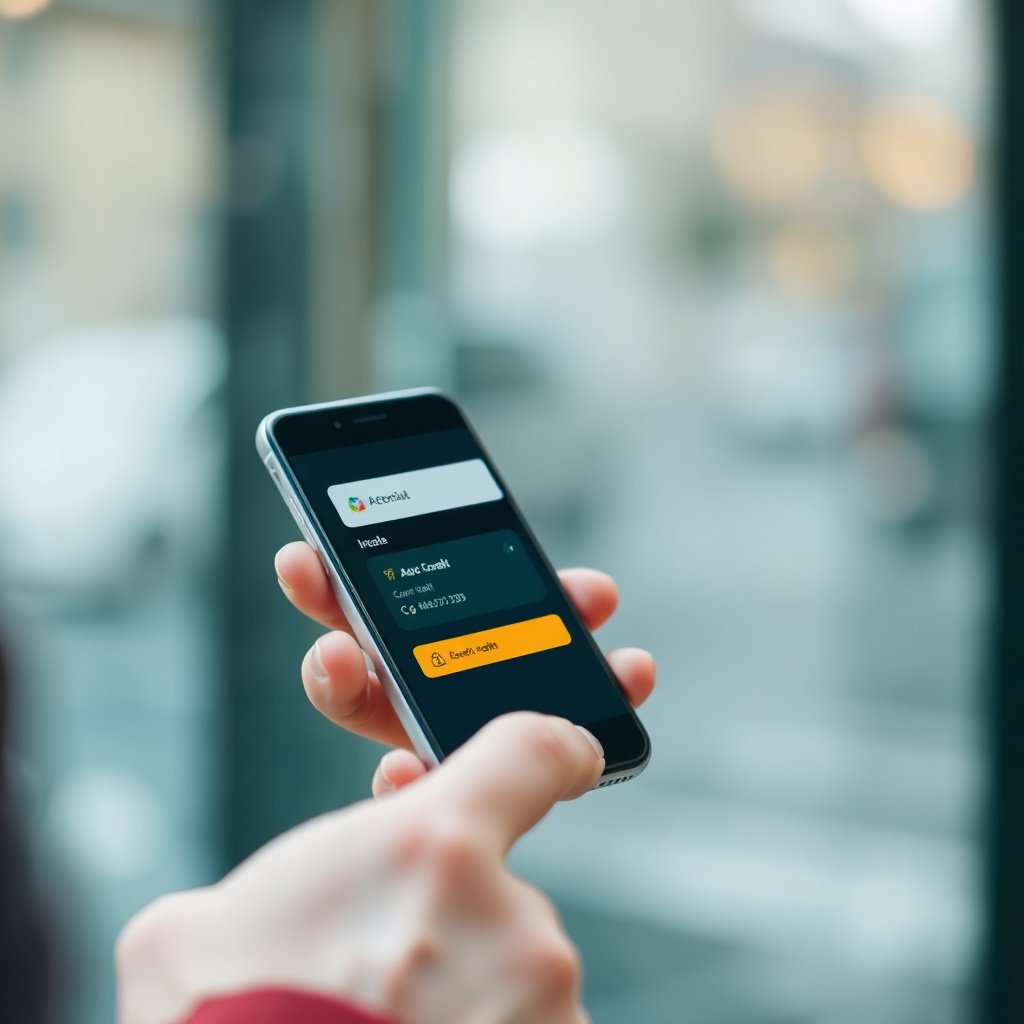
Always pay using secure methods like credit cards or trusted payment platforms that offer buyer protection. Avoid direct bank transfers or cash payments that provide no recourse if tickets are fraudulent.
Check that the broker’s site uses encrypted payment processing (look for HTTPS and padlock symbols) to prevent your financial data from being intercepted.
- Prefer credit cards or PayPal
- Confirm secure website (HTTPS)
- Avoid cash or wire transfers
- Keep receipts and transaction records
Timing Your Purchase
Purchasing earlier during the resale period may reduce fees and decrease the chances of last-minute scams. However, some buyers wait close to event dates for price drops, which carries risk if tickets become unavailable.
Research the event’s official sale timeline to spot windows when brokers typically list tickets and compare prices to make informed timing decisions.
- Buy early to avoid price spikes
- Watch for official sale dates
- Compare multiple brokers before buying
- Stay alert to sudden price changes
Recognizing Scam and Fraud Warning Signs

Common Fraud Tactics in Ticket Sales
Scammers often mimic legitimate brokers’ websites, offer unrealistically low prices, or pressure buyers with urgent, last-minute deals. Fake tickets might have incorrect barcodes or copied digital files.
Being aware of these tactics helps buyers scrutinize offers carefully before making payments and helps avoid losing money to fraud.
- Fake website clones
- Unusually low prices
- Pressure to buy immediately
- Requests for non-traceable payment
Steps to Verify Before Final Purchase
Contact event organizers to check if the broker is listed as an authorized reseller. Use ticket tracking or QR code validation services when available.
Consult consumer protection agencies or forum discussions about the broker’s reputation and verify ticket authenticity through provider apps or scanning tools.
- Confirm broker authorization with event venues
- Use official ticket verification apps
- Search for scam reports online
- Verify barcode or QR code authenticity
Legal Considerations When Buying Tickets from Brokers
Laws Regulating Ticket Resales
Some regions have strict laws limiting ticket resales, including price caps or bans on scalping. Understanding local regulations helps avoid illegal purchases that might be voided or penalized.
Certain brokers comply with these laws by registering with authorities or abiding by event organizer rules, while others operate in gray areas.
For more detailed information on regulations surrounding ticket resales, consult this resource on ticket resale regulations. ticket resale regulations.
Buyer Rights and Protections
Consumers may have protections under consumer laws allowing refunds for fraudulent sales or misleading practices. Knowing these rights assists in handling disputes and seeking remedies through regulatory agencies or courts.
Checking the broker’s refund and cancellation policies also provides clarity on recourse options for buyers.
Ticket Broker Categories Comparison
This table compares different ticket broker types based on price, reliability, guarantees, and risks to help you pick the right option.
| Broker Type | Price Range | Reliability | Guarantee Offered | Risk Level |
|---|---|---|---|---|
| Official Licensed Broker | Moderate to High | High | Authenticity and Refund | Low |
| Large Online Marketplace | Varies widely | Medium | Partial Guarantee | Medium |
| Independent Reseller | Low to High | Low to Medium | Often None | High |
| Peer-to-Peer Platforms | Variable | Low | None usually | High |
| Venue/Promoter Secondary Sales | Moderate | High | Full Guarantee | Low |
Frequently Asked Questions
Can I trust a ticket broker with no reviews?
Avoid brokers without any reviews or online presence because unverified sellers increase the risk of fraud or poor service. Always seek feedback from past buyers.
Are tickets purchased from brokers always more expensive?
Not always, but brokers often charge service or convenience fees, making tickets pricier than face value. Some brokers offer competitive pricing, especially closer to event dates.
What should I do if my broker-sold ticket doesn’t work at entry?
Contact the broker immediately for a replacement or refund. Also, check the event’s official ticket policy and consider filing a complaint with consumer protection authorities if unresolved.
Is it safer to buy directly from event organizers?
Yes, buying directly from organizers is the safest way to avoid scams, but tickets may sell out fast. Brokers provide access after initial sales but with added risks.
Are mobile tickets from brokers reliable?
Mobile tickets from reputable brokers with authenticity guarantees are reliable, but exercise caution buying from unknown sellers, as digital tickets can sometimes be duplicated.
Key Takeaways
- Trusted ticket brokers offer guarantees reducing risks of fraud.
- Check broker credentials, reviews, and refund policies before buying.
- Use secure payment methods to protect financial information.
- Be aware of local resale laws affecting ticket purchases.
Conclusion
Determining whether it is safe to buy tickets from a broker hinges on careful evaluation of the broker’s authenticity, reputation, and the protections they provide. Buyers should conduct thorough checks on past reviews, official partnerships, and written guarantees to minimize the risks of counterfeit tickets or poor customer service. The secondary ticket market can be a reliable source for sold-out events if you use knowledgeable judgment and cautious transaction practices.
For those seeking prompt access to popular or sold-out events, official licensed brokers or venue-authorized resale platforms present the safest options with built-in buyer protection. Conversely, individual peer-to-peer resellers or unverified independent brokers carry higher risks. Employing secure payment methods and understanding refund policies further enhances purchase safety. Knowing local resale regulations also helps avoid legal pitfalls and ensures your purchased ticket is valid and usable.
Ultimately, if you must turn to a ticket broker, start with well-reviewed official brokers or large, reputable marketplaces offering authenticity guarantees and flexible refund policies. Avoid deals that seem too good to be true or pressure you to rush. Taking steady, informed steps and prioritizing consumer protections will help you confidently enjoy your event experience without ticket worries.




One Comment