Is It Worth Buying Resale Tickets? Pros and Cons Explained
Yes, buying resale tickets can be worth it depending on your priorities and circumstances. Resale tickets offer access to sold-out events or better seat locations, but they may come with higher prices and risks like ticket fraud or invalid entry.
Buying resale tickets matters because it opens up options when original tickets are unavailable. Many events sell out quickly, making resale the only choice for last-minute attendees or those seeking upgrades. However, the market can be volatile, and prices can spike, so understanding the trade-offs is key.
This article will explore how resale tickets work, advantages and disadvantages, how to spot trustworthy sellers, and strategies for purchasing resale tickets without losing money. Whether you're considering resale for concerts, sports, or theater, you'll learn what to expect before you buy.
How Resale Tickets Work
The Resale Market Basics
Resale tickets are originally purchased tickets resold by individuals or brokers on secondary markets. The process allows fans who can’t attend or those looking to earn profit to offer their previously bought tickets for sale.
Most resale transactions happen via online platforms, which take fees and provide some buyer protection. Understanding how these markets operate helps buyers navigate price fluctuations and availability.
Official vs. Unofficial Resale Channels
Official resale channels are partnered or authorized by event organizers, often guaranteeing ticket authenticity and valid entry. These platforms may have price caps or fee disclosures to protect consumers.
Unofficial channels include peer-to-peer sales via classifieds or social media, which carry more risks like counterfeit tickets and scams, but may offer better prices in rare cases.
Advantages of Buying Resale Tickets

Access to Sold-Out Events
Resale tickets provide access to events after primary sales have ended or tickets have sold out. This is especially valuable for high-demand concerts, sports finals, or popular theater shows where tickets disappear quickly.
Fans who miss initial sales can still secure a spot through resale, sometimes finding tickets to exclusive or limited-availability sections.
Better Seat and Date Options
Resale markets allow buyers to upgrade from their originally intended section by purchasing premium seats in the secondary market. Additionally, tickets from different dates or showtimes might be available, offering scheduling flexibility.
This flexibility can enhance the event experience, providing more personalized choices than the initial sale.
Disadvantages and Risks of Resale Tickets
Higher Prices and Fees
Resale tickets are often priced above face value due to supply-demand dynamics and seller markup. Buyers should anticipate paying premium prices and additional platform fees on top of the ticket cost.
Price spikes can make resale unaffordable for many, so budgeting carefully is important to avoid overpaying.
For more on this, see our related guide: Is It Safe to Buy Tickets from a Broker? What You Need to Know.
Risk of Fraud and Invalid Tickets
Purchasing through unofficial resale outlets carries the risk of counterfeit tickets or tickets that won't scan at the venue. Scams may involve fake listings or duplicated tickets sold multiple times.
Even with official resale sources, delays in transfer or technical glitches can jeopardize entry, so buyers must remain cautious.
How to Safely Buy Resale Tickets

Using Trusted Platforms
Buy tickets from established and authorized resale websites that provide guarantees and support. These platforms typically verify ticket authenticity and offer refund policies in case of event cancellations or invalid tickets.
Avoid paying cash or wire transfers to unknown sellers to minimize fraud risk.
- Stick to known resale sites like Ticketmaster Resale or StubHub
- Check seller ratings and reviews
- Use secure payment methods with buyer protection
Checking Ticket Details and Transfer Methods
Verify the event date, seat location, and ticket delivery method before purchase. Some platforms use digital transfers requiring ticket delivery via app or email, which is safer than physical tickets shipped by mail.
Confirm deadlines for transfers and resale platform policies.
- Confirm exact seat numbers and section
- Prefer electronic ticket delivery over paper tickets
- Be cautious with last-minute transfers
Financial Considerations When Buying Resale Tickets
Timing Your Purchase
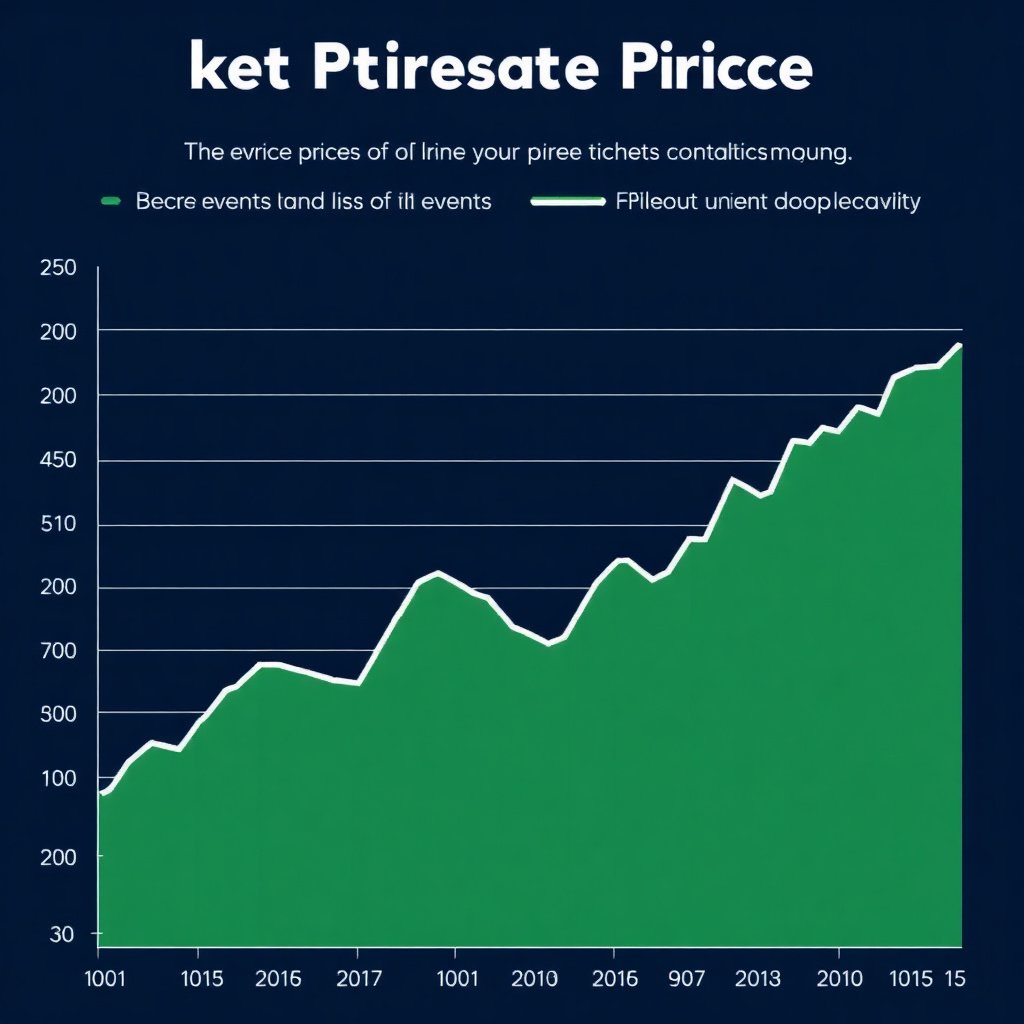
Ticket prices in resale markets can fluctuate dramatically depending on proximity to the event date, popularity spikes, and market sentiment. Sometimes waiting close to the event can yield bargains if sellers want to offload tickets quickly.
However, this strategy risks tickets selling out or prices rising unexpectedly, so timing requires balancing patience and urgency.
For more on this, see our related guide: When Do TSO Tickets Go on Sale for 2026? Complete Guide.
Budgeting for Extra Costs
Resale tickets often come with added service fees, delivery charges, and taxes. Factoring these into your budget is necessary to avoid unpleasant surprises during checkout.
Comparing total final cost rather than base ticket price leads to better financial decisions.
- Check all fees before confirming purchase
- Look for free or low-cost delivery options
- Consider return/refund policy costs
Alternatives to Buying Resale Tickets

Joining Waiting Lists or Official Fan Clubs
Some events offer waiting lists or fan club presales that provide chances to obtain tickets otherwise sold out. These options can be safer and more affordable than resale marketplaces.
Fans can register in advance and receive notifications about ticket availability through official channels.
For more detailed insights into resale ticket dynamics, the Wikipedia article on the secondary ticket market provides a thorough overview. secondary ticket market.
Seeking Group or Promotional Offers
Certain sponsors or corporate partners provide discounted or bundled tickets for events. Exploring these promotions through social media or official event websites can offer access without the markup found in resale.
Sometimes entering contests or giveaways also presents opportunities for free or reduced-price tickets.
Resale Ticket Buying Options Comparison
Here's a comparison of common resale ticket categories to help you evaluate costs, risks, and reliability.
| Ticket Source | Average Price Markup | Buyer Protection | Convenience Level |
|---|---|---|---|
| Official Resale Platforms | 10-30% | High (Guarantees and refunds) | High (Easy transfers and support) |
| Peer-to-Peer Sales (Online) | 5-50% | Low (No guarantees) | Medium (Varies by seller) |
| Local Classifieds or In-Person | Variable | Very Low (Risk of fraud) | Low (Face-to-face needed) |
| Fan Club and Presales | Face value or small markup | High (Official channels) | Medium (Requires membership) |
| Event Sponsorship Promotions | Face value or discounted | High (Trusted sources) | Medium (Limited availability) |
Frequently Asked Questions
Can resale tickets be cheaper than face value?
Sometimes resale tickets drop below face value close to the event if sellers want to sell quickly. However, this is not guaranteed, and popular events often see markups.
How do I know if a resale ticket is authentic?
Buying from authorized resale platforms that verify tickets reduces risk. Always avoid suspicious sellers, use secure payment methods, and check platform guarantees.
What should I do if a resale ticket is invalid at the event?
Contact the resale platform immediately for support or refund. Many authorized platforms provide buyer protection in cases of invalid tickets.
Are resale ticket prices regulated?
In most places, resale ticket prices are not regulated, allowing sellers to set markups. Some regions have specific laws to limit excessive price gouging.
Is it better to buy resale tickets early or last-minute?
Buying early may secure availability but at higher prices, while last-minute purchases risk being sold out or expensive. Balancing timing depends on your flexibility and risk tolerance.
Key Takeaways
- Resale tickets offer access when original tickets sell out but often come at a price premium.
- Using official resale platforms minimizes fraud risks and provides buyer protections.
- Prices fluctuate so timing your purchase carefully can save money or ensure availability.
- Alternatives like fan club presales or promotions can sometimes avoid resale market downsides.
Conclusion
Deciding if buying resale tickets is worth it depends on your priorities: access, price flexibility, and risk tolerance. Resale markets expand choices beyond primary sales but often require paying above face value and being cautious about counterfeit risks. Evaluating resale against your event goals helps make an informed choice.
For those eager to attend sold-out events or upgrade seats, official resale platforms strike the best balance with buyer guarantees and reasonable pricing transparency. If you are flexible on timing and price, waiting for last-minute deals or exploring fan club and promotional ticket options can also be worthwhile strategies.
Before purchasing resale tickets, research trusted sources, factor in fees, verify details, and set a clear budget. This practical approach will maximize your chances of enjoying the event without regrets. Buying resale tickets can be a valuable option when approached carefully and armed with knowledge.


