Do TSO Shows Have a Story? Exploring the Narrative of Trans-Siberian Orchestra Performances
Yes, TSO shows do have a story. Trans-Siberian Orchestra performances often revolve around a thematic narrative that combines rock, classical music, and theatrical elements to create an immersive experience. Their concerts typically blend well-known Christmas tales or original storylines accompanied by a soundtrack that drives the plot forward.
Understanding the storytelling angle is important because it distinguishes TSO concerts from typical rock or holiday music shows. The group uses elaborate lighting, stage effects, and synchronized visuals to narrate stories that range from the classic Christmas spirit to broader themes of hope, love, and redemption. This narrative aspect enhances audience engagement, making each show more memorable.
In this article, we will explore the structure of TSO shows, the kinds of stories they tell, how music and visuals contribute to storytelling, and what attendees can expect from the concert experience. Whether you are a longtime fan or curious about the narrative side of their performances, this guide will provide a thorough understanding.
The Narrative Framework of TSO Shows
Storytelling Through Music
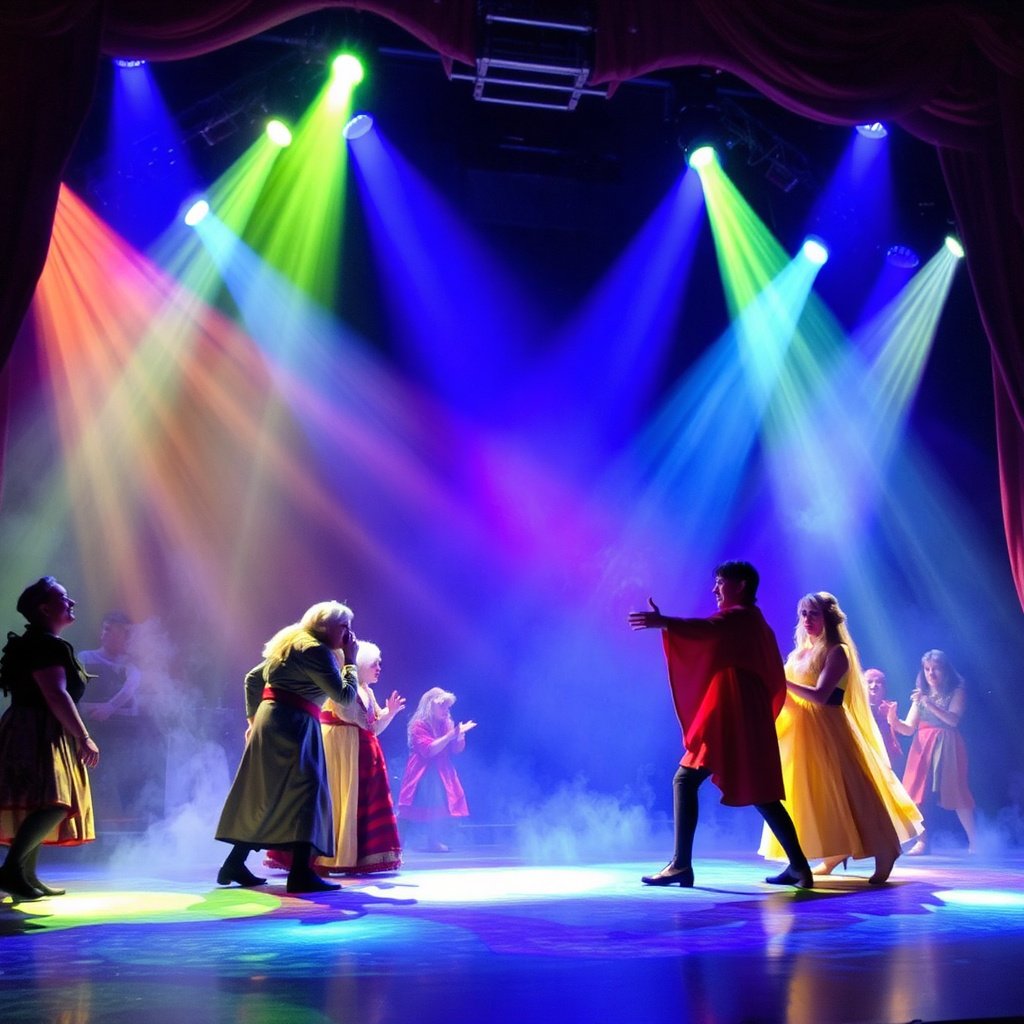
TSO uses a rich mix of rock, classical, and holiday music to weave their stories. Each musical piece corresponds to a scene or emotional beat, helping to guide the audience through the plot. This fusion allows the music itself to act as a narrative device, conveying feelings and transitions without spoken dialogue.
The band often incorporates instrumental suites and reimagined classics that reflect the mood of the story, whether it's joy, conflict, or resolution. Their soundtracks are carefully designed to build tension and release, much like a film score would, making their shows feel like live musicals.
Common Themes in TSO Storylines
Many TSO performances focus on themes related to the holiday season such as Christmas spirit, miracles, and goodwill toward others. However, the stories also address timeless ideas like hope, sacrifice, and redemption, which resonate with broad audiences.
The narratives often blend fantasy and reality, featuring characters on quests or journeys that lead to personal transformation. This thematic layering enriches the concert experience, making it more than just a music show but a theatrical story.
Visual Storytelling and Stagecraft
Lighting and Effects as Story Elements
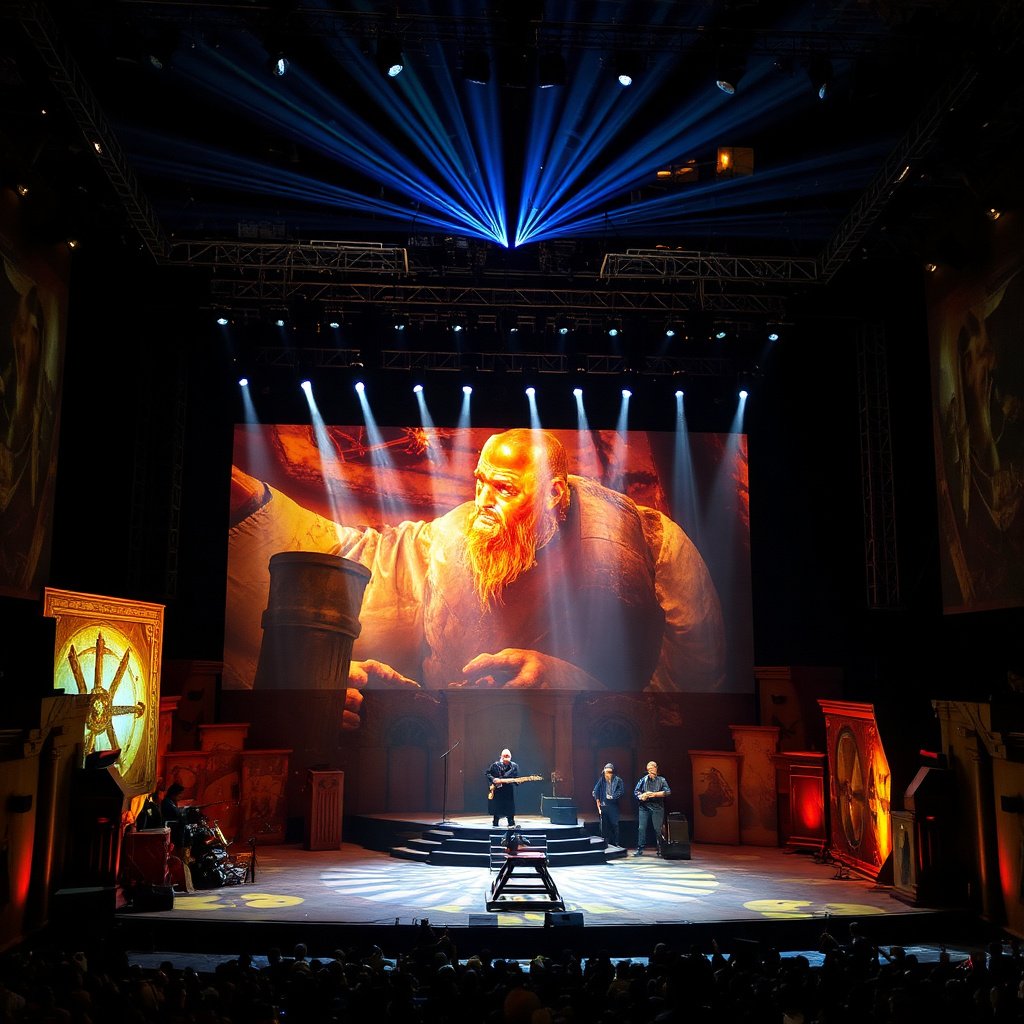
TSO's productions are famous for their extraordinary lighting setups, which act as a visual narrative tool. Lights change colors, intensities, and patterns to mirror emotions and highlight story moments, effectively guiding the audience’s focus and enhancing dramatic impact.
Special effects such as pyrotechnics, lasers, and synchronized visuals add layers of excitement and help depict fantasy elements found in the story, turning the stage into a vivid storytelling medium.
For more on this, see our related guide: How to Dress for a TSO Concert: Tips for a Memorable Evening.
Costumes and Character Development
Characters in TSO's shows wear costumes that reflect their roles and the story’s setting, which range from Victorian-inspired clothing to fantastical armor. These visual cues assist the audience in following the plot and understanding character motivations without extensive dialogue.
Costuming also supports the emotional arc of the performance, evolving to show changes in character or tone, adding depth to the visual storytelling alongside music and lighting.
Structural Elements of TSO's Story-Driven Shows
Act Division and Plot Progression
TSO shows are usually divided into multiple acts, each representing a chapter in the overall narrative. This division helps pace the story and provides natural breaks for different musical moods and scenes.
Scenes within each act often feature specific musical numbers tied to particular plot points, allowing the story to unfold clearly across the concert’s runtime.
Narration and Dialogue Elements
While primarily instrumental and musical, some TSO shows include spoken word narration or dialogue delivered by vocalists or recorded voices. These elements clarify parts of the story and introduce transitions between scenes.
Narration is used sparingly to maintain the show's momentum but effectively anchors the storyline for the audience, complementing the musical and visual storytelling.
Audience Reception and Story Impact

Emotional Connection Through Storytelling
Many fans report feeling a strong emotional connection to TSO shows, often citing the story as a major reason. The combination of narrative music and striking visuals helps create immersive moments that resonate personally.
This connection turns concerts into shared experiences where the audience relates to themes of hope, renewal, and courage, enhancing enjoyment beyond just the music.
For more on this, see our related guide: How to Buy Cheap TSO Tickets: Smart Strategies to Save on Toronto Symphony Orchestra.
Memorability of Story-Driven Concerts
TSO's emphasis on storytelling makes their performances especially memorable compared to standard music concerts. The story provides context and meaning to the songs, prompting audience members to recall the experience vividly long after the event.
This narrative focus has contributed to TSO's lasting popularity, as attendees often look forward to seeing how the storyline develops year after year.
Comparing TSO to Other Story-Based Concerts
TSO vs Traditional Rock Operas
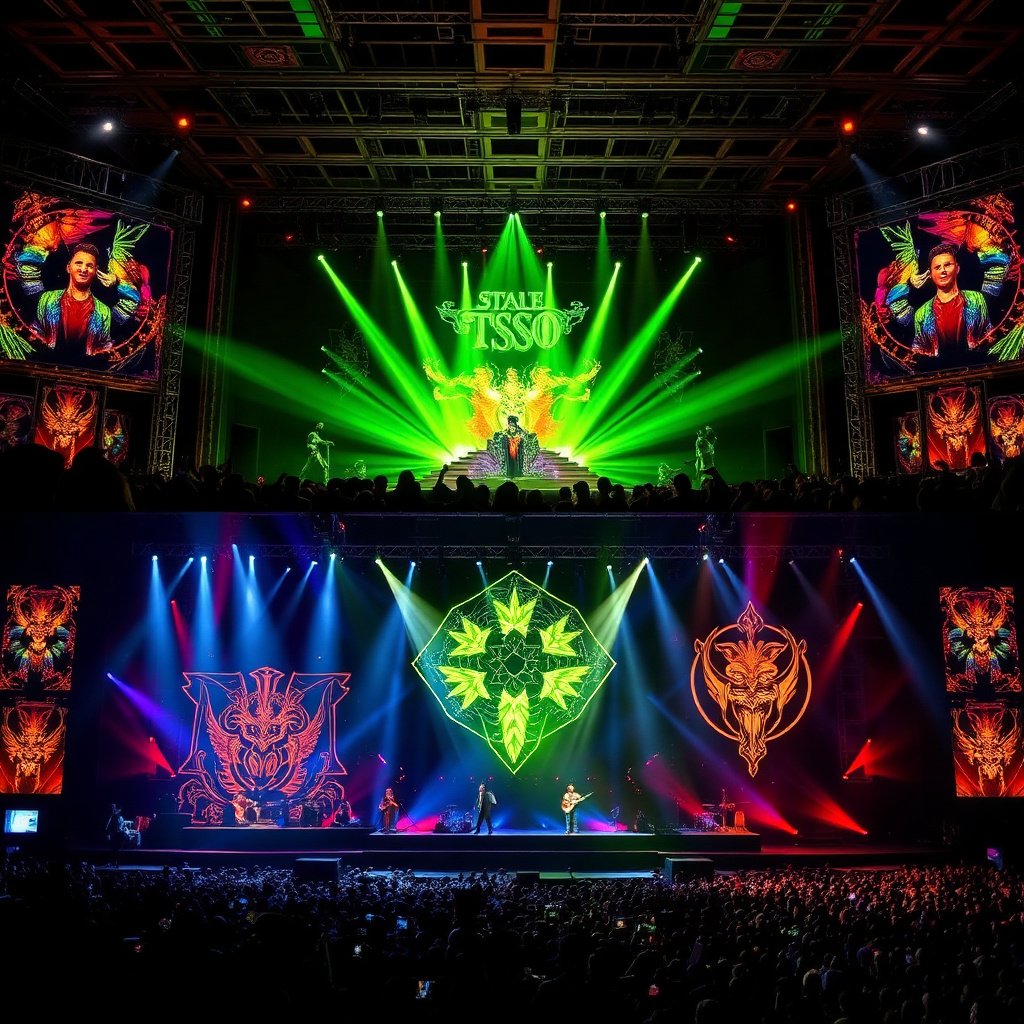
Unlike classic rock operas that rely heavily on lyrics and vocals to tell a story, TSO blends instrumental music with selective narration and extensive visual storytelling. This approach broadens accessibility and puts a stronger emphasis on atmosphere.
TSO’s Christmas-themed shows also distinguish them culturally from rock operas, integrating seasonal stories that resonate with a wide audience.
For more detailed background on the group’s history and production style, visit the Trans-Siberian Orchestra Wikipedia page. Trans-Siberian Orchestra Wikipedia page.
TSO and Seasonal Musical Performances
Compared to other holiday-themed concerts, TSO offers a more elaborate narrative and theatrical production. Their storytelling is central rather than incidental, integrating plot, music, and visuals into a cohesive experience.
This comprehensive design sets TSO apart in the category of seasonal musical performances by creating concert experiences that double as live storytelling events.
Comparison of TSO Show Categories
Here is a comparison of different types of TSO shows and their narrative and production characteristics to help understand their variations.
| Show Type | Story Focus | Musical Style | Visual Production |
|---|---|---|---|
| Christmas Spectacular | Strong holiday-themed story | Rock and classical blend | High with lighting and effects |
| Beethoven’s Last Night | Original fantasy story | Symphonic rock | Moderate to high |
| TSO Rock Operas | Character-driven narratives | Rock opera style | Varied but theatrical |
| Holiday Tour | Loose thematic story | Popular songs mix | Extensive visuals and pyrotechnics |
Frequently Asked Questions
Are TSO concerts suitable for children?
Yes, TSO concerts are family-friendly and often designed to appeal to children with their engaging storytelling, festive themes, and visually exciting stage effects.
Do all TSO shows tell a single continuous story?
Not all TSO shows tell a single continuous story; some consist of multiple connected vignettes or thematic segments rather than one linear plot.
Is there spoken dialogue in TSO performances?
Some TSO shows include limited spoken narration or dialogue to help convey the story, but music and visuals remain the primary storytelling tools.
Can I enjoy a TSO show without knowing the story beforehand?
Absolutely. The combination of music and spectacular visuals allows audiences to follow along and enjoy the experience even without prior knowledge of the story.
How long do typical TSO shows last?
Typical TSO concerts last around two hours, including multiple acts that advance the narrative and musical program.
Key Takeaways
- TSO shows integrate music, storytelling, and spectacular visuals into immersive concerts.
- Narratives often revolve around holiday themes and universal messages like hope and redemption.
- Visual effects and costumes enhance the story, creating a theatrical performance.
- Audience engagement is heightened by the combination of music and narrative elements.
Conclusion
The way to decide if a TSO show is right for you is to understand that it offers more than a concert—it’s a theatrical storytelling event driven by music and captivating visuals. Their ability to tell stories through powerful instrumental pieces and stagecraft distinguishes their performances within live music experiences. This blend creates an immersive atmosphere that appeals to both music lovers and fans of live theater, making it a unique form of entertainment.
For those drawn to holiday traditions and intricate narratives, the Christmas Spectacular and Holiday Tour shows provide a deeply themed experience with strong storylines about the season’s spirit. Fans interested in original, fantasy-driven stories might prefer shows like Beethoven’s Last Night, which use symphonic rock to weave compelling tales. Each category offers a distinct blend of story and spectacle, catering to varying preferences for plot emphasis and musical style.
If you want to experience a concert that combines emotional storytelling and compelling rock music with vivid visuals, attending a Trans-Siberian Orchestra show is an excellent choice. Check local tour dates for your preferred type of performance and prepare to witness how the Trans-Siberian Orchestra brings stories to life on stage like no other.


One Comment