What Is a Rock Opera? Defining the Genre and Its Impact
A rock opera is a style of music album or stage production that tells a continuous story through rock music. Instead of standalone songs, rock operas present a thematic, narrative arc where the tracks collectively form a dramatic tale. This form combines the energy of rock music with the depth and structure of traditional opera storytelling.
This genre emerged as artists sought to push musical boundaries by integrating complex narratives and character development within their works. Unlike typical albums, rock operas aim to create an immersive experience where songs function as chapters contributing to the overall plot. This blending of rock and theatrical elements has made rock operas influential in both music and stage productions.
In this article, we'll explore the origins of rock operas, their notable characteristics, key examples of famous rock operas, how they differ from rock musicals, and the impact they've had on popular culture. Understanding what makes a rock opera distinct enriches appreciation for this creative genre.
Origins and Evolution of Rock Opera
Early Influences and Pioneers
The concept of storytelling through music traces back centuries, but the term 'rock opera' became associated with the late 1960s, as rock musicians experimented with album-length narratives. Influential bands like The Who popularized this format with albums such as "Tommy," which combined rock tracks to tell a cohesive story.
Early rock operas drew inspiration from classical operas and musicals but embraced a contemporary rock sound. The innovation allowed artists to explore complex themes through electric guitars, drums, and vocal performances, giving a new dimension to narrative music.
Growth and Mainstream Recognition
By the 1970s and 1980s, rock operas gained broader attention both on record and as stage shows. Albums like Pink Floyd’s "The Wall" and Queen’s "A Night at the Opera" showcased thematic depth and theatrical style that resonated widely. Some rock operas were adapted into stage productions, expanding the form beyond audio recordings.
Throughout the decades, the genre has evolved, incorporating different rock subgenres and storytelling techniques, reflecting cultural shifts and creative experimentation.
Characteristics of a Rock Opera

Narrative and Thematic Elements
Unlike regular rock albums where songs are usually independent, a rock opera uses songs as narrative devices in a larger story arc. Themes are often dramatic or conceptual, exploring characters and plot developments in depth across the album.
This focused storytelling distinguishes rock operas, creating a continuous flow where track order is essential and lyrical content drives the storyline forward.
Musical Style and Composition
Musically, rock operas incorporate diverse rock styles but emphasize cohesive composition to support storytelling. Recurring musical motifs and thematic variations help unify the work, much like a traditional opera’s leitmotifs.
This approach often demands heightened vocal performances, dynamic instrumentation, and a strong sense of atmosphere, blending theatrical elements into the music.
Famous Rock Operas and Their Impact
The Who’s "Tommy" and Cultural Significance
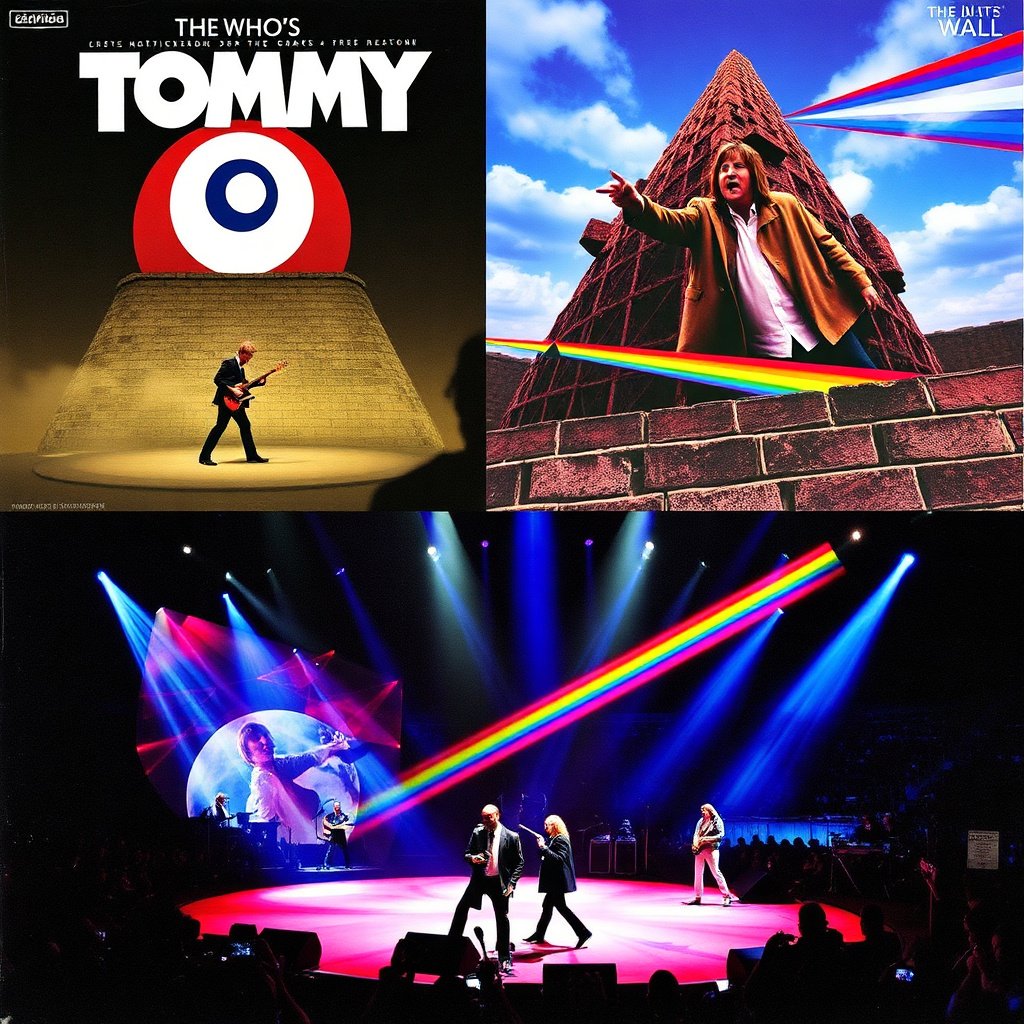
"Tommy" (1969) is widely regarded as one of the first true rock operas. It tells the story of a deaf, dumb, and blind boy who becomes a spiritual leader. The album’s success popularized the format and led to successful stage adaptations and a film version.
This work demonstrated rock opera's potential for deep narrative and artistic expression, influencing countless artists and expanding audiences’ expectations of rock music.
For more on this, see our related guide: The Trans-Siberian Orchestra History: Origins and Evolution of the Iconic Rock Ensemble.
Pink Floyd’s "The Wall" and Beyond
Pink Floyd’s "The Wall" (1979) is another landmark rock opera, known for its conceptual exploration of isolation and psychological trauma. It was both a best-selling album and a highly acclaimed stage show with elaborate visual effects.
Its influence extended into culture broadly, inspiring other musicians and contributing to the acceptance of expansive storytelling within rock music.
Rock Opera vs. Rock Musical

Defining Rock Operas
Rock operas focus primarily on the music album format with songs arranged to narrate a story. While some are adapted for stage, their origin and core experience lie in the recorded music, emphasizing narrative continuity between tracks without spoken dialogue.
The artist’s role is central; performers often present a character-driven journey through the music alone.
Characteristics of Rock Musicals
Rock musicals typically feature spoken dialogue alongside songs and are designed primarily for live theatrical performances. They often follow traditional musical theater structures involving a cast of characters with acts and scenes.
While rock musicals can be conceptually rich, they focus on stage acting combined with rock music, distinguishing them from rock operas.
Creating and Performing a Rock Opera

Composing a Rock Opera
Writing a rock opera requires combining narrative writing with musical composition. The creator must develop a plot, characters, and thematic coherence while crafting songs that tell parts of the story musically and lyrically.
This process demands both storytelling and musical expertise to maintain engagement and thematic unity across all tracks.
- Develop character arcs
- Create thematic motifs
- Plan song sequence carefully
- Blend lyrics with music style for storytelling
For more on this, see our related guide: Is TSO a Christmas Band? Exploring the Identity of Trans-Siberian Orchestra.
Bringing a Rock Opera to the Stage
Staging a rock opera involves translating the album’s story into a visual and theatrical experience. This can include set design, costumes, acting, and choreographed performances synchronized with the music.
Performers must balance singing with character portrayal, often requiring versatile musicians and actors to convey complex emotions live.
- Strong vocal talent needed
- Visual storytelling with lighting and design
- Coordination between performers and musicians
The Future of Rock Opera

Evolving Music and Storytelling Trends
Contemporary artists experiment with new technologies, mixing rock opera storytelling with multimedia and interactive elements. Digital platforms enable innovative presentations beyond traditional albums or theater shows.
This evolution allows rock operas to reach diverse audiences and incorporate fresh artistic ideas while honoring the genre’s storytelling roots.
For detailed historical context and examples, the rock opera on Wikipedia offers comprehensive insights into this genre’s development. rock opera on Wikipedia.
Integration with Other Genres
Modern rock operas often blend with genres like progressive rock, metal, or even electronic music, expanding stylistic diversity and narrative possibilities.
Collaborations across artistic forms broaden the appeal and demonstrate how the rock opera format remains a compelling way to fuse music and story.
Comparison of Rock Opera Categories
This table compares iconic rock opera categories by key traits such as narrative style and performance approach.
| Category | Primary Format | Narrative Style | Performance Setting |
|---|---|---|---|
| Classic Rock Opera | Album | Linear Storytelling | Album-based, sometimes staged |
| Concept Album | Album | Thematic, less plot-driven | Listening experience only |
| Rock Musical | Stage Show with Dialogue | Plot with dialogue and songs | Theater production |
| Progressive Rock Opera | Album | Complex narratives with motifs | Concerts and albums |
| Multimedia Rock Opera | Digital/Album | Integrated story with visuals | Concerts with visuals and online platforms |
Frequently Asked Questions
How is a rock opera different from a regular rock album?
A rock opera tells a continuous story through its songs, whereas a regular rock album usually contains unrelated tracks. The narrative arc in a rock opera links songs thematically and sequentially.
Can a rock opera be performed live on stage?
Yes, many rock operas have stage adaptations that include costumes, acting, and visuals, offering a theatrical experience alongside the music.
What are some well-known examples of rock operas?
Famous rock operas include The Who’s "Tommy," Pink Floyd’s "The Wall," and Green Day’s "American Idiot," all noted for their storytelling and musical innovation.
Is there spoken dialogue in a rock opera?
Typically, rock operas rely on songs rather than spoken dialogue. Dialogue is more common in rock musicals, which blend speaking parts with songs.
How do rock operas influence popular culture?
Rock operas have inspired stage productions, films, and new music styles, broadening how stories are told in rock music and influencing musicians and audiences alike.
Key Takeaways
- A rock opera narrates a continuous story through rock music tracks.
- It combines theatrical storytelling with various rock styles.
- Famous rock operas like "Tommy" and "The Wall" shaped the genre.
- Rock operas differ from rock musicals primarily by format and use of spoken dialogue.
Conclusion
Understanding what a rock opera is involves recognizing its unique blend of music and narrative. This genre showcases a deliberate story told through consecutive rock songs, often exploring character development and dramatic themes. When deciding to engage with or create a rock opera, consider how well the musical style supports the storytelling and whether the narrative depth matches your artistic goals. Rock operas require cohesion between lyrics, music, and concept to capture audience attention throughout the entire work.
If you want a strong introduction to this genre, classics like The Who’s "Tommy" provide a defining example of rock opera music albums that combine narrative and rock sound powerfully. For a more modern take, Pink Floyd’s "The Wall" merges psychological themes with elaborate musical motifs, while contemporary rock operas may incorporate multimedia elements to expand their storytelling capacity. These examples illustrate different directions the genre can take, fitting various listener preferences and creative ambitions.
To explore further, start by listening to notable rock operas and noticing how their songs interconnect to convey a story. If you are a musician or fan, consider attending a live rock opera performance or even attempting to craft your own narrative-driven album. This willingness to engage with the storytelling aspects alongside the music will deepen your appreciation for what a rock opera uniquely offers.