Understanding the Trans Siberian Orchestra Genre: A Unique Fusion of Rock and Classical
The Trans Siberian Orchestra genre is a distinctive fusion of progressive rock, classical music, and symphonic metal. It combines orchestral arrangements with electric guitars, keyboards, and vocals to create dramatic, cinematic soundscapes that often tell a story.
This genre stands out because it blends the power and energy of rock music with the complexity and emotion of classical compositions. This hybrid style appeals to fans of multiple musical backgrounds, offering both high-energy rhythms and intricate melodies.
This article breaks down the core elements of the Trans Siberian Orchestra genre, explores its musical influences, key characteristics, and how it fits within broader categories like rock opera and symphonic rock. It will also compare it to related genres for a clearer understanding.
Musical Influences Behind the Trans Siberian Orchestra Genre

Classical Roots and Orchestral Elements
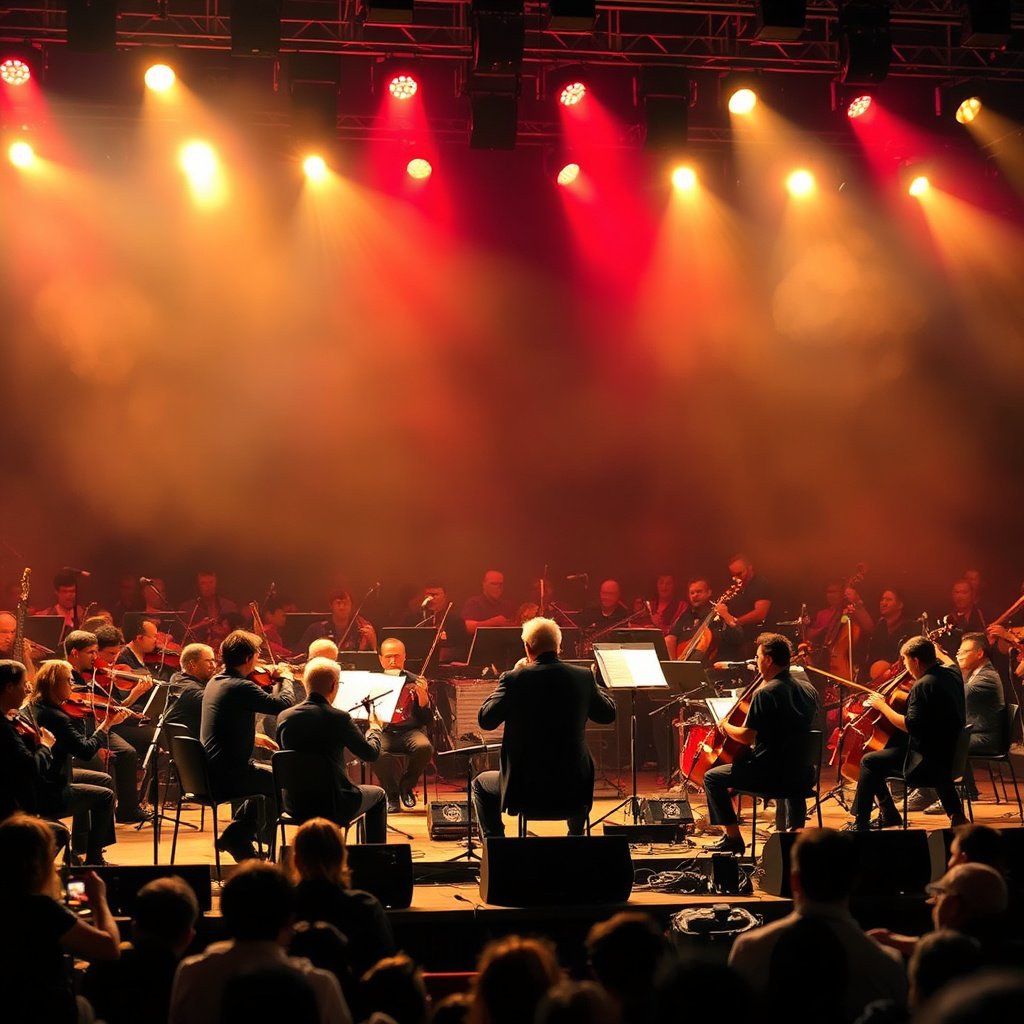
The Trans Siberian Orchestra genre heavily incorporates classical music themes, often reinterpreting well-known classical pieces or composing original works that use orchestral arrangements. Violins, cellos, and full orchestras provide a rich, textured backdrop that elevates the rock elements.
These classical influences give the music a grand and cinematic quality, allowing the band to create story-driven albums that resemble classical music operas or ballets in structure and thematic content.
Rock and Metal Foundations
At its core, this genre uses electric guitars, drums, and powerful vocals typical of progressive rock and symphonic metal. The driving guitar riffs and dynamic percussion give the music energy and intensity, contrasting with and complementing the orchestral layers.
The combination of these instruments creates a sound that ranges from epic and cinematic to hard-hitting and aggressive, appealing to fans of both classical compositions and modern rock.
Key Characteristics That Define the Trans Siberian Orchestra Genre
Storytelling Through Music
Albums and performances often follow a narrative arc, using music to tell stories that blend fantasy, history, and emotion. The use of recurring motifs and themes helps to build a cohesive experience throughout an album or live show.
This storytelling approach is similar to rock operas, engaging listeners with dramatic shifts in mood and tempo that maintain interest and emotional connection.
Blending Symphony and Rock Energy
The Trans Siberian Orchestra genre balances elaborate symphonic compositions with the raw energy of rock and metal. This blend requires skilled musicianship and careful arrangement to keep the orchestral parts from overpowering the electric instruments, or vice versa.
Such genre fusion results in expansive soundscapes that often feature instrumental solos, layered harmonies, and dramatic tempo changes.
Performance and Production Style of the Trans Siberian Orchestra Genre

Elaborate Live Shows
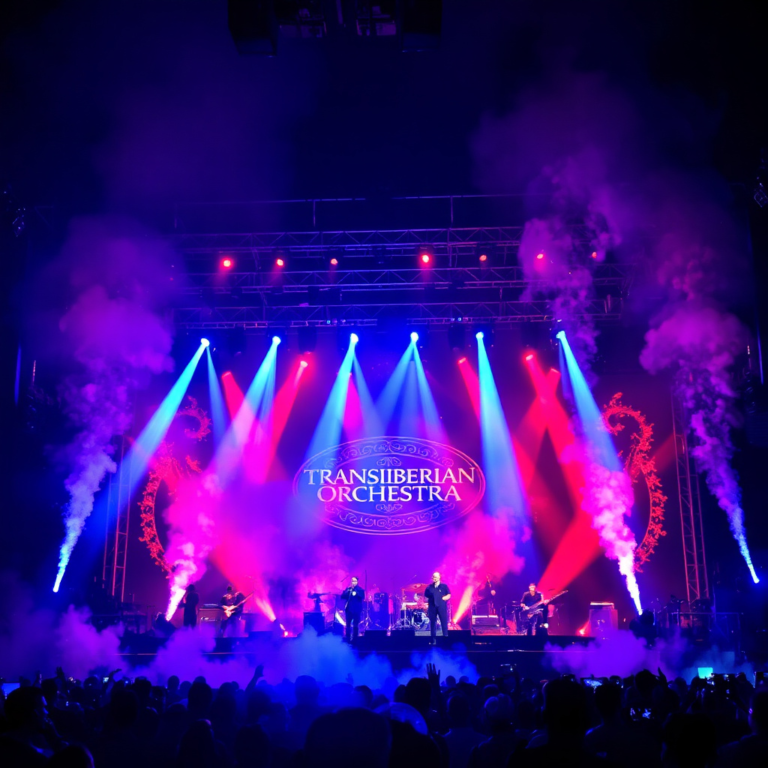
Trans Siberian Orchestra is renowned for grand live performances that combine theatrical light displays, pyrotechnics, and synchronized storytelling visuals. These concerts elevate the music into a multisensory experience.
This theatrical presentation emphasizes the genre’s narrative and dramatic aspects, making the live events memorable and immersive for audiences.
For more on this, see our related guide: Trans Siberian Orchestra December 2026: What to Expect from the Holiday Tour.
High Production Quality
Studio recordings in this genre are marked by meticulous attention to detail, with layered orchestral and vocal tracks mixed with rock instruments to achieve clarity and power.
The production aims for a polished yet dynamic sound, often involving professional orchestras and choirs alongside traditional rock band members.
How the Trans Siberian Orchestra Genre Relates to Symphonic Rock Music

Shared Elements with Symphonic Rock
Both genres emphasize combining rock instrumentation with orchestral arrangements, showcasing musicianship and complex songwriting. Symphonic rock focuses on rich textures and progressive structures, traits visible in Trans Siberian Orchestra’s work.
They both often include concept albums and thematic storytelling, aligning their appeal to fans who appreciate depth and orchestration.
Distinctive Features of Trans Siberian Orchestra
What sets the Trans Siberian Orchestra genre apart is the consistent use of symphonic and Christmas-themed narratives alongside heavier metal influences, resulting in a more theatrical and episodic musical experience.
Their work frequently merges classical holiday tunes with rock instrumentation, a hallmark not commonly seen in traditional symphonic rock.
Genres Compared: Trans Siberian Orchestra vs. Progressive Metal
Progressive Metal Characteristics
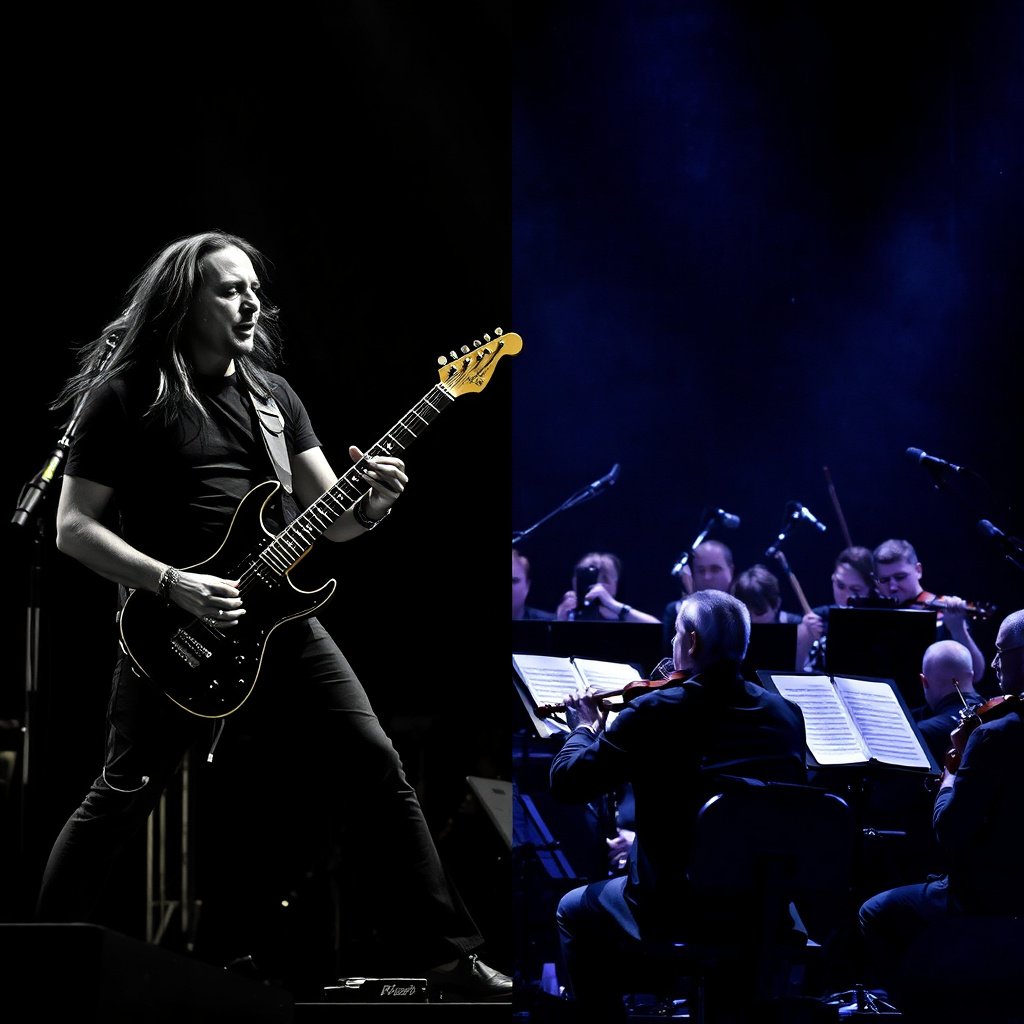
Progressive metal combines complex rhythms, heavy guitar work, and often darker lyrical themes, with a strong emphasis on technical proficiency. It usually has less orchestral presence but complex song structures.
Bands in this genre focus more on intensity and instrumental virtuosity than cinematic storytelling.
For more on this, see our related guide: What Is a Rock Opera? Defining the Genre and Its Impact.
How Trans Siberian Orchestra Differs
Trans Siberian Orchestra incorporates large orchestras and choirs and focuses more on dramatic narratives and accessible melodies. Its music is theatrical, designed for storytelling and spectacle rather than purely instrumental complexity.
This makes it more approachable for wider audiences while maintaining musical sophistication.
The Evolution of the Trans Siberian Orchestra Genre Over Time

Early Beginnings and Influences
The genre originated in the mid-1990s when composers sought to blend rock and classical elements in new ways, inspired by earlier symphonic rock bands and conceptual rock operas.
Initial albums focused on reimagined classical pieces with rock arrangements, establishing a foundation for the genre’s style.
For more detailed information on the band and their musical style, the Trans-Siberian Orchestra Wikipedia page offers extensive coverage. Trans-Siberian Orchestra Wikipedia page.
Contemporary Developments
Modern examples show increasing use of technology, expanded storytelling themes, and more collaboration with diverse musicians. Live shows have become more elaborate with advanced visual effects.
The genre continues to attract new listeners by balancing tradition with fresh creative directions.
Trans Siberian Orchestra Genre Category Comparison
Here is a comparison of related musical genres that highlight their unique characteristics alongside the Trans Siberian Orchestra genre.
| Genre | Primary Instruments | Typical Themes | Audience Appeal |
|---|---|---|---|
| Trans Siberian Orchestra | Electric guitars, full orchestra, choirs | Storytelling, Christmas, cinematic | Fans of rock and classical fusion, theatrical concerts |
| Symphonic Rock | Rock band plus orchestral instruments | Epic themes, progressive songwriting | Listeners interested in complex orchestration with rock |
| Progressive Metal | Electric guitars, drums, bass | Technical, complex rhythms, darker themes | Fans of heavy, virtuoso instrumental music |
| Rock Opera | Rock band plus narrative lyrics | Dramatic stories and characters | Those who enjoy concept albums and theatrical rock |
Frequently Asked Questions
What makes the Trans Siberian Orchestra genre unique?
Its unique blend of rock, classical orchestration, and theatrical storytelling, often with Christmas and cinematic themes, sets it apart from other genres.
Is the Trans Siberian Orchestra genre just Christmas music?
While many works have Christmas themes, the genre also includes original stories and classical influences that go beyond holiday music.
Can you name artists similar to Trans Siberian Orchestra?
Bands like Nightwish, Within Temptation, and Symphony X share symphonic and metal elements but differ in focus and style.
Does the Trans Siberian Orchestra genre require classical music knowledge to appreciate?
No, it’s accessible to a wide audience because it combines familiar rock and metal styles with orchestral music for emotional impact.
Are live shows important in the Trans Siberian Orchestra genre?
Yes, live performances are known for spectacular visuals and theatrical elements that enhance the storytelling aspect of the music.
Key Takeaways
- Trans Siberian Orchestra genre fuses rock, classical, and symphonic metal elements.
- Storytelling and theatricality are central to its musical expression.
- It shares traits with symphonic rock but focuses more on narrative and holiday themes.
- Live shows combine music with dramatic visuals and pyrotechnics.
Conclusion
Choosing to explore the Trans Siberian Orchestra genre means engaging with a rich musical tapestry that bridges rock’s intensity and classical music’s depth. This genre thrives on intricate orchestration blended with electrifying guitar riffs and vivid narrative storytelling, offering listeners a captivating experience unlike many traditional rock or classical categories. Understanding its roots and characteristics helps listeners appreciate the technical skill and creativity involved in producing such complex music.
For those seeking a mix of symphonic rock music and theatrical storytelling, Trans Siberian Orchestra’s works are ideal. Fans of progressive metal who also appreciate orchestral richness may find this genre a compelling middle ground. Albums with Christmas narratives or epic fantasy themes highlight its versatility, while live performances bring its music to life through immersive production elements. Comparing it to related genres reveals its distinct position in music, combining elements in unique ways to appeal to diverse audiences.
If you want to experience the genre firsthand, start by listening to popular Trans Siberian Orchestra albums or attending a live show if possible. For deeper context on the symphonic rock music that influences it, exploring artists and orchestral works within that tradition will enrich your understanding. This approach helps build a well-rounded appreciation and guides you toward discovering the full scope of this dynamic musical genre.